


| IN A NUTSHELL |
|
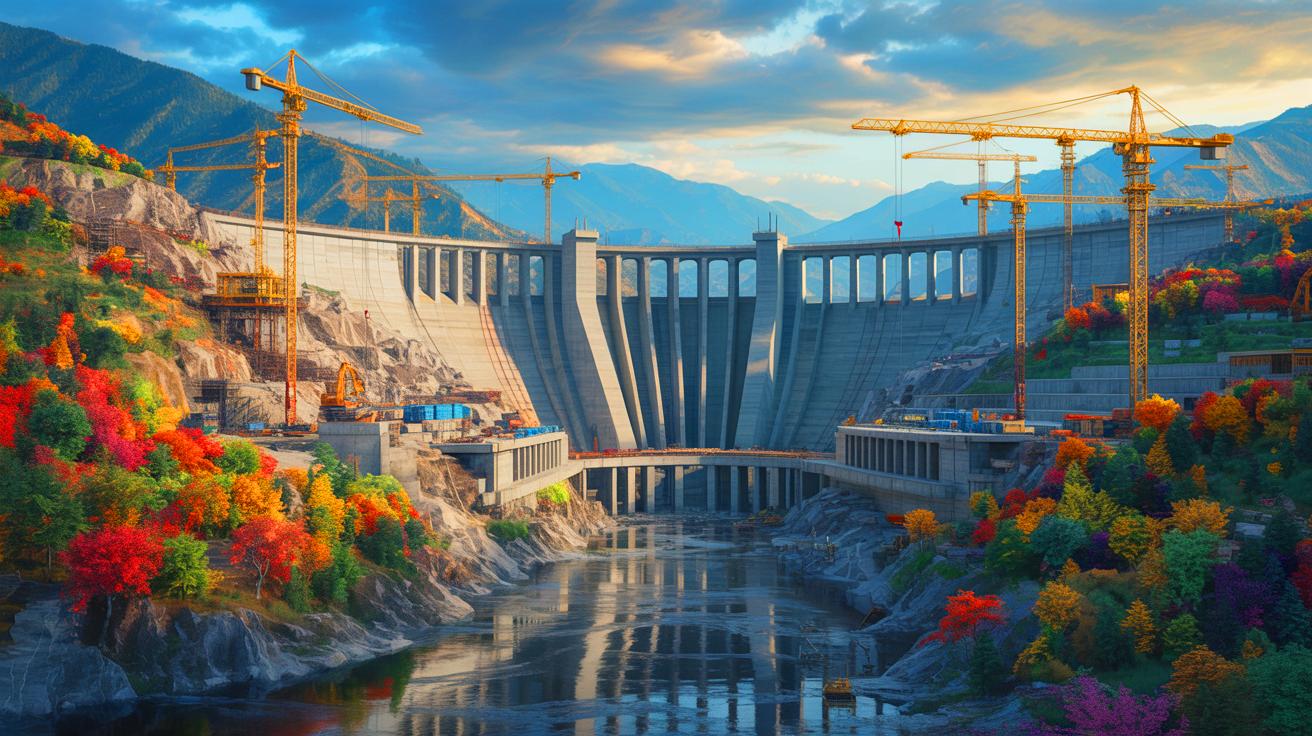
China’s ambitious new project, the mega-dam on the Yarlung Zangbo River in Tibet, promises to become the world’s largest source of hydroelectric power. This colossal undertaking, nestled in the rugged foothills of the Himalayas, is poised to dwarf the famed Three Gorges Dam upon its completion. Known as the Brahmaputra River downstream in India and the Jamuna River in Bangladesh, this river’s strategic and environmental significance cannot be overstated. As the global community watches, the project’s potential environmental and geopolitical impacts are becoming increasingly scrutinized.
China’s Mega-Dam: A Monumental Undertaking
The construction of this mega-dam represents a remarkable feat of engineering and ambition. China has long harbored plans to harness the power of the Yarlung Zangbo River, and the recent commencement ceremony heralded by Premier Li Qiang underscores the project’s importance. With an estimated cost of 1.2 trillion yuan (approximately $167.1 billion), the dam is set to revolutionize hydroelectric power generation.
This project will include five hydropower stations strategically positioned to maximize energy output. The electricity generated will not only cater to local power needs in Tibet but will also be transmitted to other regions. By leveraging this renewable energy source, China aims to align the project with its carbon neutrality targets and economic goals in Tibet. However, the sheer scale of the project raises questions about its environmental impact and the displacement of local communities.
Geopolitical Concerns: Balancing Interests
India has expressed significant concern over the potential implications of this mega-dam. In January, India’s Ministry of External Affairs emphasized the need for China to ensure that the interests of downstream states along the Brahmaputra River are not compromised. This call for vigilance reflects the geopolitical tensions that often accompany such large-scale projects.
China, for its part, has assured that the project will not have any “negative impact” downstream. Nevertheless, the proximity of the new dam—just 18 miles from the disputed border with India—adds another layer of complexity to the situation. As both nations maintain substantial military presences in the region, the project’s progress underscores the delicate balance between harnessing natural resources and maintaining regional stability.
Environmental and Social Impacts
The mega-dam’s construction has sparked concerns about its potential impact on Tibet’s unique ecosystems. Tibet’s vast glaciers and rivers are vital sources of fresh water for over 1.3 billion people across 10 countries. The Yarlung Tsangpo, the world’s highest river, is not only a crucial water source but also holds deep cultural and spiritual significance for Tibetans.
China’s track record of building dams in the region has raised alarms among environmentalists and local communities. The displacement of people, as seen with the Three Gorges Dam, remains a contentious issue. While Tibet’s population density is lower, the potential disruption to local communities and ecosystems cannot be ignored. The challenge lies in balancing the pursuit of renewable energy with the preservation of cultural heritage and environmental integrity.
Power and Controversy: A Global Perspective
The scale of this project is staggering, with the potential to generate three times more energy than the Three Gorges Dam. While it promises to significantly boost China’s renewable energy capacity, it also highlights broader concerns about global warming and environmental responsibility. A recent study found that the world’s richest 10% are responsible for two-thirds of global warming, underscoring the urgency of sustainable development.
As China ventures deeper into harnessing its natural resources, it faces the dual challenge of meeting its energy demands while addressing environmental concerns. The intersection of power generation, geopolitical tensions, and environmental stewardship places this project at the forefront of global discussions on sustainability and development.
As construction progresses on the Yarlung Zangbo mega-dam, the world watches with bated breath. This monumental project promises to reshape the landscape of hydroelectric power and regional dynamics. Yet, as the environmental and geopolitical implications unfold, one question lingers: How can we ensure that the pursuit of progress does not come at the expense of our planet’s delicate balance?

Did China consider the cultural significance of the lands before starting the project?
Wow, this is huge! I hope they manage to balance development with environmental care. 🌍
Is this just another case of China flexing its muscles in the region?
It’s amazing how China can undertake such massive projects, but I fear the ecological consequences.
Can we trust China’s assurance that there will be no negative impact on downstream countries?
Great article! It’s crucial to discuss the balance between energy needs and environmental protection.
How many people will be displaced by this project? 😱
Is it really necessary to build such a massive dam? 🤔
This is an engineering marvel, but I’m concerned about the sacred lands being destroyed. 😔
Who will benefit the most from this dam—China or the local communities?
It’s a shame that sacred lands are being sacrificed for energy. Can’t they find a better way?
How long will it take to complete this mega-dam?
China is really good at building things, but I hope they don’t overlook the environmental impact.
This is a disaster waiting to happen! 🌊
Is there any international oversight on projects like these?
Thx for sharing this information. More people need to be aware of what’s happening in Tibet.
I’m not sure if the benefits of this dam outweigh the potential harm. 🤷♂️
What do the people of Tibet think about this project?
Why isn’t the international community doing more to stop this? 🛑
Seems like another ambitious project by China. Hope it doesn’t backfire.
Is there any compensation for the communities that will be displaced?
Every time a new dam is built, I worry about the irreversible changes to ecosystems. 😢
Thank you for highlighting the geopolitical concerns involved in this project.
How does this project align with global sustainability goals?
The geopolitical tension this could cause is really concerning. 😬
Is this project part of China’s Belt and Road Initiative?
Does anyone else think this is just too big of a risk?
I’m waiting for the day when renewable energy doesn’t mean destroying the environment. 🌱
Is there any hope for those sacred lands, or are they truly lost forever?
I hope they have a solid plan for dealing with potential floods. 🌧️
Why does it seem like environmental concerns are always an afterthought? 😡
What measures are in place to protect the downstream countries?
Thanks for the detailed analysis. It’s important to keep an eye on these developments.
I’m skeptical about China’s claim that there will be no negative impact downstream. What do others think?
This reminds me of the Three Gorges Dam—lots of promise, but at what cost?
Why isn’t there more international outcry over the displacement of local communities? 😡
How is India planning to respond to this situation?
Are there any plans to mitigate the environmental damage? If so, how effective are they?
I wonder if this project will actually help China reach its carbon neutrality goals.