




| IN A NUTSHELL |
|
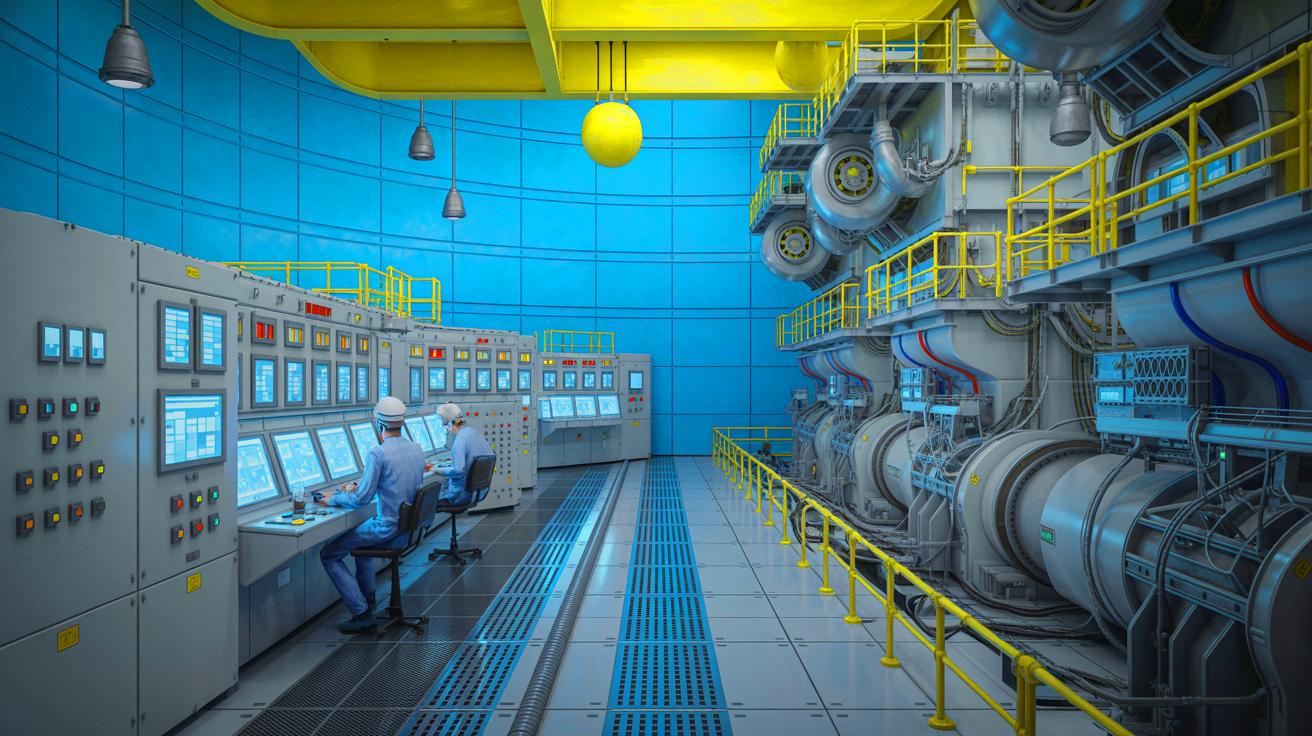
In recent years, the global energy landscape has seen nuclear power play an increasingly pivotal role. However, with great power comes great responsibility, particularly concerning safety protocols. A recent incident at the Golfech nuclear power plant in France brought these concerns to the forefront. On June 15, 2025, a technician’s mistake nearly led to a potentially catastrophic situation, highlighting the ever-present risk of human error in managing nuclear facilities. This event underscores the critical need for stringent safety measures and continuous oversight in nuclear operations, prompting a broader discussion on how to prevent similar occurrences in the future.
An Operation That Almost Went Awry
In the high-stakes environment of nuclear power plants, any error can have severe consequences. This was starkly illustrated at the Golfech plant, where a routine maintenance check on Unit 2 went astray. A technician, during a standard inspection, inadvertently closed a cooling valve for Reactor No. 1, which was still active. This oversight was not detected for 18 hours, creating a window for potential disaster.
The cooling system is an essential component of nuclear reactor safety, as it regulates the temperature and prevents overheating. The technician’s error interrupted this critical process, posing a risk of overheating the reactor core. Fortunately, the mistake was caught late in the day, and the cooling system was promptly reinstated within 30 minutes. This quick action averted any immediate danger, but the incident remains a sobering reminder of the vulnerabilities in nuclear operations.
Why Is Cooling Essential for Nuclear Reactors?
Cooling systems are integral to the safe operation of nuclear reactors, as they manage the intense heat produced by the fission of uranium atoms. This heat is utilized to convert water into steam, which drives turbines to generate electricity. However, if the reactor’s temperature is not properly managed, it can lead to a meltdown, with dire consequences.
To mitigate this risk, reactors often rely on water from nearby natural sources such as rivers or seas to maintain a stable temperature. This process is vital to preventing the reactor’s core from reaching dangerous temperatures. The failure of these systems could result in significant environmental harm and impact human health, emphasizing the importance of robust cooling mechanisms in nuclear reactors.
Lessons Learned from the Golfech Incident
The incident at the Golfech nuclear power plant serves as a critical case study in the challenges faced by nuclear facilities. It highlights the necessity for rigorous safety protocols and continuous training to prevent human errors. This event raises concerns about whether current safety measures are sufficient and if additional checks and balances should be implemented.
In light of this incident, nuclear facilities worldwide may need to reassess their operational procedures and consider adopting more advanced monitoring systems to minimize errors. The Golfech event is a stark reminder of the potential consequences of human error and underscores the importance of maintaining high safety standards in nuclear operations.
The Future of Nuclear Safety
Looking to the future, the Golfech incident prompts a reevaluation of nuclear safety protocols. Technological advancements offer opportunities to automate many processes, potentially reducing the risk of human error. However, achieving a balance between technology and human oversight is crucial, as both play vital roles in ensuring safety.
Nuclear energy remains a critical component of the global energy strategy, providing a low-carbon alternative to traditional fossil fuels. As the industry moves forward, enhancing safety measures and learning from past incidents will be essential in ensuring the sustainable and secure development of nuclear power. The key question is, how can the nuclear sector continue to innovate and ensure these crucial systems remain fail-safe and resilient against human error?


Wow, this is terrifying! Are there any updates on the safety measures being implemented after this incident?
How does a mistake like this even happen? It seems like there should be multiple people checking these things. 🤔
Grateful for the quick thinking of the team that caught the mistake in time. 🙌
This is exactly why I’m skeptical about nuclear energy. Too much can go wrong!
Why aren’t there more automated systems to prevent human error in nuclear plants?
Why aren’t there more redundancies in place to catch these errors immediately?
This is why my faith in nuclear energy is shaky at best.
🙄 Another reason to push for renewable energy sources instead of nuclear.
How close did they actually get to a meltdown? The article isn’t clear on the specifics.
More advanced monitoring systems sound like a great idea. Is anyone working on that?
Humans make mistakes, but in nuclear plants, the stakes are way too high. 😟
Could newer technologies have prevented this? We’re in 2025, after all!
Let’s hope this incident leads to real changes in safety protocols.
Error or not, nuclear is still one of the cleanest energy sources we have.
😱 Can’t believe it took 18 hours to notice. What if it had gone on longer?
Scary stuff. Do other plants have similar risks, or is this an isolated incident?
What’s the government’s response to this incident? Any new regulations?
Is there any compensation for the community affected by this scare?
😬 Really makes you think twice about living near a nuclear plant!
Education and training are key. Are there plans to improve this?
Curious if this will impact France’s overall energy policy.
Do they conduct regular drills for such emergencies?
We need a balance of technology and human oversight to prevent these errors.
Does anyone know how common these types of errors are in the industry?
Honestly, I’m surprised incidents like this don’t happen more often.
Technician’s fault or a systemic issue? That’s the real question. 🤷♂️
Is there any way to ensure this doesn’t happen again? More training, perhaps?
Why isn’t there an immediate alarm system for cooling failures?
Good thing this was caught in time. But what about next time?
I’m skeptical about nuclear, but we might not have a choice with climate change.
😅 Phew, that was a close call. Glad it ended well!
How can public trust in nuclear safety be restored after incidents like this?
Thank goodness they caught it in time. It’s a wake-up call for sure.
I’m all for nuclear energy, but incidents like this make me nervous…
The technician must feel horrible. I hope they have support in place for their employees.
Seems like a failure in both technology and human oversight. We need better systems!