



| IN A NUTSHELL |
|
In recent years, the global energy landscape has been in a state of transformation, driven by the urgent need for sustainable solutions. A groundbreaking innovation from Japan is set to redefine how we think about energy storage. The Japan Atomic Energy Agency (JAEA) has developed a rechargeable battery using depleted uranium, a byproduct of nuclear waste. This novel approach not only promises to revolutionize the energy storage sector but also addresses the longstanding issue of managing nuclear waste. As this technology progresses, it holds the potential to significantly impact both renewable energy utilization and global waste management practices.
Transforming Nuclear Waste into Energy
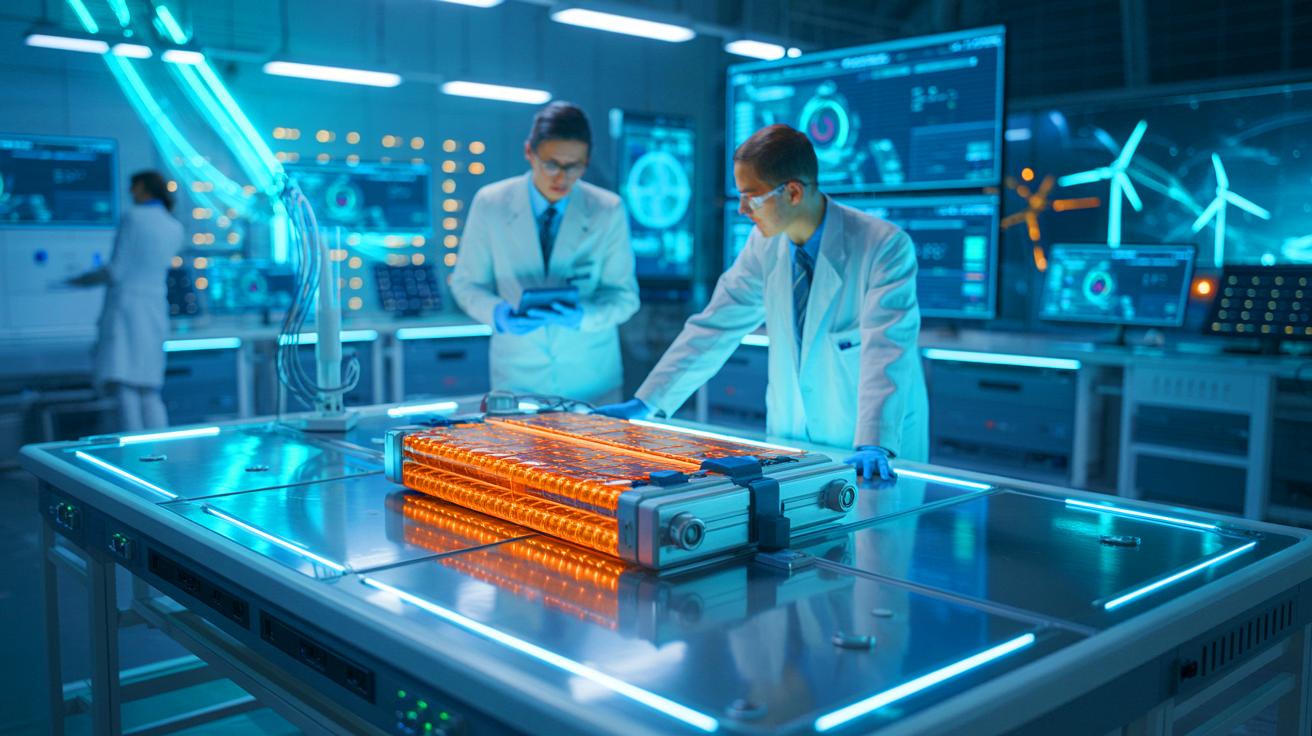
The development of uranium-based batteries marks a significant breakthrough in energy technology. By utilizing depleted uranium, the JAEA has turned a problematic waste product into a viable energy storage solution. This technology operates on principles similar to conventional batteries, yet replaces typical materials like lithium with uranium. The prototype, compact in design, has demonstrated impressive stability over multiple charge and discharge cycles, showcasing its potential as a sustainable energy storage option.
This innovation has the potential to change the narrative around nuclear waste. Instead of viewing it as a liability, it could become a valuable asset in the energy sector. By effectively leveraging depleted uranium, this technology paves the way for a more sustainable approach to both energy storage and nuclear waste management. The implications of this development are vast, offering a glimpse into a future where nuclear waste contributes positively to energy solutions rather than posing environmental challenges.
Safety and Environmental Considerations
While the potential benefits of uranium-based batteries are compelling, safety concerns must be addressed. Depleted uranium is significantly less radioactive than its enriched counterpart, yet its use in energy storage still requires careful handling. Extensive testing and safety protocols are essential before these batteries can be widely adopted.
Currently, the application of this technology is limited to controlled environments, such as nuclear facilities, to ensure safety. Researchers are keenly aware of the public’s perception of nuclear materials, and transparency in testing and results will be crucial in gaining public trust. The path to everyday use involves rigorous testing and adherence to safety standards, ensuring that the benefits clearly outweigh any potential risks.
Implications for Renewable Energy
Uranium-based batteries hold significant promise for the renewable energy sector. Their ability to store and release energy efficiently can enhance the viability of solar and wind power, which often suffer from inconsistent energy generation. By providing a stable energy storage solution, these batteries could facilitate the broader adoption of renewable resources.
In remote and off-grid locations, the deployment of uranium-based batteries could offer a sustainable energy solution where traditional infrastructure is lacking. This capability can reduce reliance on fossil fuels, contributing to global efforts to mitigate climate change. As research and development continue, the potential applications of this technology in the renewable energy landscape are expansive and promising.
Overcoming Challenges
Despite the promising outlook, several challenges must be addressed for uranium-based batteries to become mainstream. Public perception of nuclear technology and its safety is a significant hurdle. Building trust through transparency and effective communication will be essential for acceptance.
Additionally, the costs associated with research, development, and regulatory compliance may slow the technology’s deployment. However, the potential benefits of transforming a waste product into a valuable energy resource cannot be overlooked. Collaborative efforts and continued innovation are vital in overcoming these challenges, positioning uranium-based batteries as a cornerstone of future energy solutions.
As the energy sector continues to evolve, Japan’s innovative approach to using depleted uranium presents a promising avenue for sustainable energy storage. By converting nuclear waste into an asset, this technology offers a unique solution to longstanding environmental and energy challenges. However, the journey to widespread adoption is fraught with questions and obstacles. Will uranium-based batteries redefine the energy landscape, or will they remain a technological curiosity? As we explore these possibilities, the future of energy storage hangs in the balance.


Wow, the idea of a battery glowing and looking alive is kinda creepy but fascinating! 😲
Great article! I hope this technology gets the support it needs.
This could be a game-changer for renewable energy. 🌍
Does anyone else feel uneasy about the idea of nuclear waste in our gadgets? 😬
The future is now! Who would’ve thought nuclear waste could be so handy?
This is incredible! The implications for reducing fossil fuel use are huge. 🔋
I wonder if this technology will be affordable for developing countries.
Is the glow just a visual effect, or does it indicate something more?
Why aren’t we hearing more about this in the mainstream media?
Does using depleted uranium in batteries create any new kinds of waste?
How big are these uranium-based batteries compared to conventional ones?
This sounds like the beginning of the end for lithium-ion batteries. 🔄
Is it safe to use uranium in batteries? Seems risky! ⚠️
Can these batteries be recycled? ♻️
Interesting read! It’s crucial that safety is prioritized above all else.
Are there any countries already implementing this technology on a large scale?
Glowing batteries? I’ve seen everything now. 😂
I hope there are measures to prevent this tech from falling into the wrong hands. 🕵️♂️
This could really help in off-grid areas where energy is scarce.
How does the cost compare to traditional energy storage solutions?
Could we potentially see these batteries in electric vehicles in the future?
I’m skeptical. Sounds too good to be true.
What kind of public education campaigns are planned to address safety concerns?
Is there any risk of these batteries leaking radiation if damaged?
It’s about time we found a good use for nuclear waste. 😊
How efficient are these batteries compared to lithium-ion ones?
I’m worried about how this might affect wildlife if not handled properly.
Does this mean we could see a decline in nuclear waste storage facilities?
Fascinating concept! I hope the safety protocols are ironclad. 🔒
Thank you for this eye-opening article! I had no idea nuclear waste could be used like this.
Are there any known long-term effects on humans exposed to these batteries?
Can this tech be integrated with existing renewable energy systems?
Glowing batteries? Sounds like something out of a sci-fi movie! 🔮
What are the environmental impacts of mining for depleted uranium?
Does this mean we’ll have power banks that can last forever? 🤔
It’s amazing how technology can turn waste into something useful. Great innovation!
How long until we can see these batteries being used in everyday products?
Isn’t uranium still radioactive? How do they ensure it doesn’t pose a health risk?