

| IN A NUTSHELL |
|
Deep in the heart of the Peruvian Amazon lies a natural phenomenon that baffles scientists and captivates the imagination. The “Shanay-timpishka,” meaning “boiled with the heat of the sun” in the local indigenous language, is a river where water temperatures exceed 194°F, sometimes even reaching boiling point. This extraordinary river has become a subject of scientific intrigue and local legend, impacting the environment and its inhabitants in profound ways. From its searing temperatures to its role in local folklore, the Shanay-timpishka offers a unique glimpse into the delicate balance of nature and the mysteries that still lie within the Amazon rainforest.
The Unique Phenomenon of the Boiling River
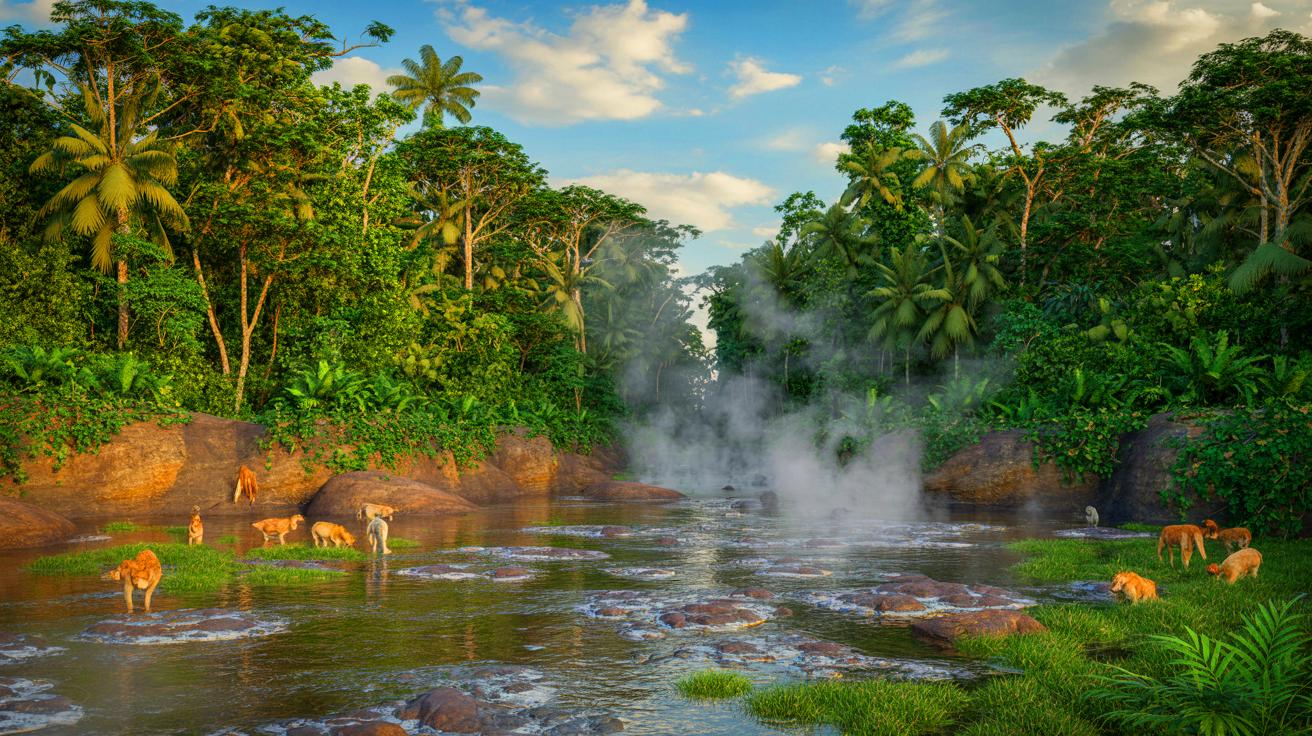
The Shanay-timpishka stands out as one of the world’s natural wonders due to its extreme temperatures. It is located in the Mayantuyacu region, an area devoid of volcanic activity, which makes the river’s heat even more remarkable. While other hot rivers in places like Iceland and Yellowstone benefit from volcanic heat, the Shanay-timpishka’s warmth is a mystery that challenges conventional geological understanding. The river’s surface is often shrouded in steam, creating an otherworldly landscape that is both beautiful and perilous.
Geoscientist André Ruzo, who has extensively studied the river, warns that its waters can cause severe burns within seconds of contact. “You put your hand inside, and you will see second or third-degree burns in just a few seconds,” he explains. The river’s intense heat is lethal to animals that inadvertently enter it, leading to gruesome consequences. As Ruzo describes, animals quickly lose their eyesight and strength, ultimately succumbing as they are cooked from the inside out by the boiling water.
Environmental Impact and Local Flora
The extreme temperatures of the Shanay-timpishka have had a significant impact on the surrounding environment. Studies have shown that regions with higher temperatures support less vegetation, with certain species disappearing altogether. The forest near the river appears more scrub-like, with fewer tall trees and a drier landscape. The ground is often covered with a crunchier layer of dry leaves, indicating a significant change in the local ecosystem.
These conditions present a harsh reality for the region's biodiversity. As Riley Fortier, a doctoral student from the University of Miami, noted during his exploration in 2022, the area serves as a natural laboratory for studying climate change effects. Fortier described the conditions as akin to fieldwork in a sauna, highlighting the challenges of conducting research in such an extreme environment. The changes observed around the Shanay-timpishka may offer insights into the broader impacts of global warming on the Amazon rainforest.
The Legend of Yacumama
Local folklore adds another layer of intrigue to the Shanay-timpishka's enigma. The river is believed to be the creation of Yacumama, the "mother of waters," a giant serpent spirit that governs the warm and cool waters. This mythological explanation reflects the deep cultural connection between the indigenous people and their environment. Yacumama is revered and feared, symbolizing the mysterious forces that shape the natural world.
For scientists, however, the river's heat is likely due to rainwater seeping deep into the earth through geological faults. As the water descends, it heats up before rapidly resurfacing through the same fractures. This process, although not yet fully understood, offers a scientific explanation for the river's unusual temperatures. Yet, the legend of Yacumama persists, illustrating the enduring power of indigenous narratives in understanding natural phenomena.
A Natural Laboratory for Climate Change
The Shanay-timpishka provides a unique opportunity to study the impacts of climate change in a real-world setting. Scientists consider the area a natural laboratory where they can observe how rising temperatures affect ecosystems. The river's extreme conditions offer a glimpse into the potential future of the Amazon rainforest under the influence of global warming.
Research in the region is challenging due to the intense heat and humidity, yet it is crucial for understanding broader environmental patterns. The changes observed around the river may foreshadow the transformations the Amazon could undergo if climate trends continue. As the planet warms, the Shanay-timpishka stands as a stark reminder of the delicate balance of nature and the urgent need to address climate change.
The Shanay-timpishka, with its boiling waters and enigmatic origins, continues to fascinate scientists and locals alike. It serves as a stark reminder of the planet's complex and often mysterious natural processes. As researchers delve deeper into the river's secrets, they gain invaluable insights into the effects of climate change and the delicate interplay of nature and culture. How will these findings influence our understanding of environmental conservation and the future of our planet's ecosystems?

Wow, a river that boils? Sounds like something out of a fantasy novel! 🌋
This is incredible! 🌡️ How is the river not a tourist attraction already?
Isn’t 194°F too hot for any kind of life to survive? What are the scientists saying about it?
Yacumama sounds like something straight out of a fantasy novel. Anyone know more about this legend?
Thank you for this fascinating article! I’m amazed by what nature can do.
How does the folklore surrounding the Yacumama influence the local people’s daily lives and interactions with the river?
Can the heat from the river be harnessed for energy? 🤔
Can someone actually swim in this river? 😅 Asking for a friend!
It’s incredible that there’s no volcanic activity, but the river’s boiling! Nature never ceases to amaze.
The fact that there’s no volcanic activity makes this even more mind-boggling!
Could this phenomenon be an indicator of more widespread changes in the Amazon? 🤔
Does the heat affect the fish and other aquatic life in the Shanay-timpishka?
194°F? How do local animals even survive near this river?
Is it possible that this river could start affecting the climate in other parts of the world?
Is there a safe way for tourists to visit this boiling river without getting hurt?
If the river is so hot, how do researchers manage to study it without getting burned?
This seems like a perfect example of climate change in action. Or is it just a natural wonder?
Why haven’t I heard of this river before? It’s such a unique natural wonder!
The power of the Yacumama sounds intimidating. Do locals really believe in its spirit?
This article makes me curious about other unexplained natural phenomena around the world.
What precautions are taken to protect the scientists studying this river?
I wonder if there are any benefits to the local ecosystem because of the heat.
Can this river be used for any practical purposes, like geothermal energy? 🔥
Is this phenomenon considered a threat to the environment or just a natural marvel?
It’s a bit scary to think about the potential consequences for local wildlife.
Is there any indication that the river’s heat is increasing over time?
It’s fascinating that local legends and science are both trying to explain this river.
Are there any other rivers like this in the world, or is Shanay-timpishka unique?
How do the local communities adapt to living near such an extreme environment?
Does this river affect the weather patterns in the surrounding areas?
Could the boiling river provide any clues about Earth’s geothermal processes?
How long has this river been boiling, and who discovered it first?
I can’t believe nature can create something so dangerous yet beautiful at the same time! 😮
Why isn’t this river a more popular tourist attraction? Or is it too dangerous?
The article mentions animals losing their eyesight. How does that happen?
Would love to see more research on this. Maybe it can tell us more about global warming.
Does the river have any impact on local agriculture or farming practices?
Are there any myths or stories about people being saved by the Yacumama?
It would be interesting to know more about the geological faults you mentioned.
Are there any other natural phenomena in the Amazon that are as intriguing as this river?
This river is on my bucket list now, but I’ll definitely keep my distance! 😅