


| IN A NUTSHELL |
|
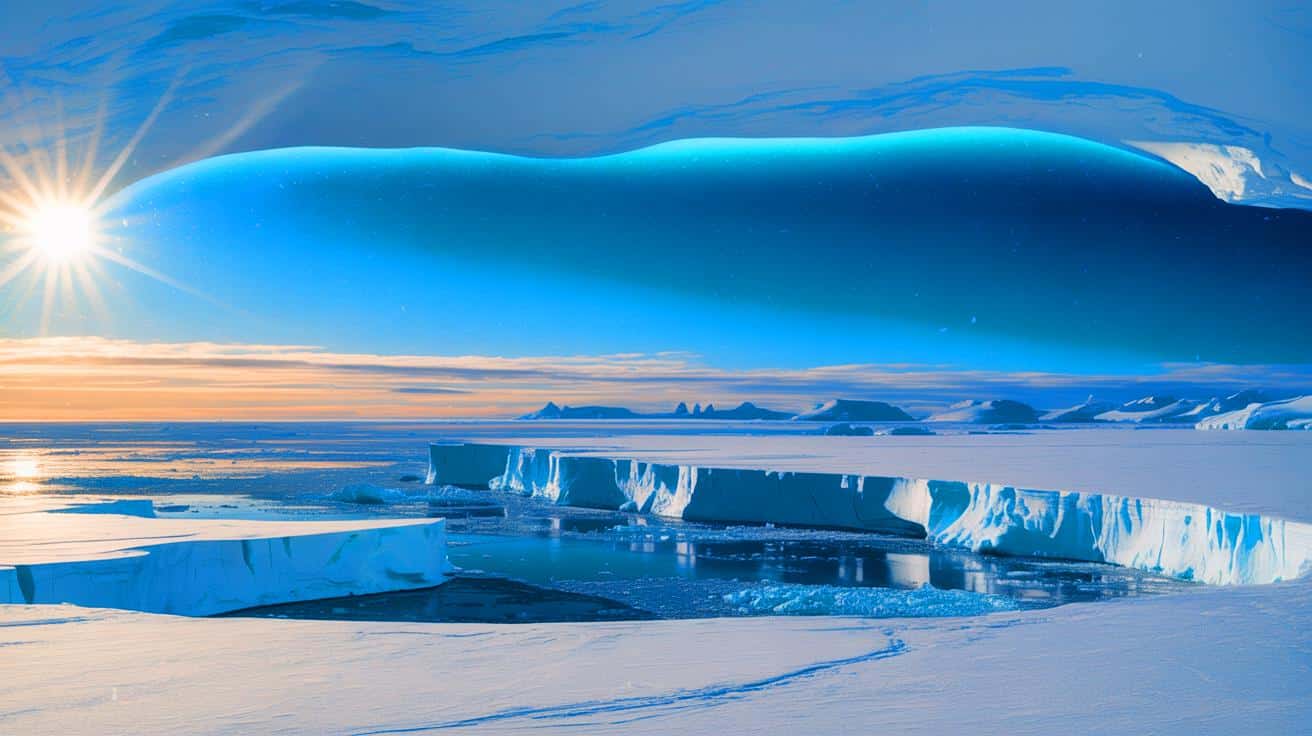
Recent scientific reports from NOAA and NASA have highlighted a significant environmental milestone: the ozone hole over Antarctica this year ranks as the fifth smallest since 1992. This development follows the implementation of the Montreal Protocol, a landmark international treaty aimed at phasing out ozone-depleting substances. The 2025 ozone depletion season saw the ozone hole covering an average of approximately 7.23 million square miles, breaking apart nearly three weeks earlier than usual. This positive trend suggests a gradual recovery of the ozone layer, a vital shield protecting life on Earth from harmful ultraviolet (UV) radiation.
Understanding the Ozone Hole’s Reduction
The reduction in the size of the ozone hole observed this year marks a significant shift compared to the early 2000s. According to Paul Newman, a senior scientist at the University of Maryland and leader of NASA’s ozone research, ozone holes are not only getting smaller but are also forming later and dissipating earlier. On September 9, the ozone hole reached its peak size for 2025 at 8.83 million square miles, a notable 30% smaller than the record-breaking ozone hole in 2006.
Long-term records dating back to 1979 have been crucial in assessing the severity of ozone depletion. This year’s ozone hole ranks as the 14th smallest since satellite tracking began. Such data underscores the importance of ongoing monitoring and international cooperation in addressing environmental challenges.
The Role of the Montreal Protocol
The Montreal Protocol has played a pivotal role in driving the recovery of the ozone layer. The treaty’s restrictions on ozone-depleting chemicals have led to a steady decline in these substances in the Antarctic stratosphere. Stephen Montzka from NOAA’s Global Monitoring Laboratory notes a significant decrease in ozone-depleting substances, with levels reduced by about a third since their peak around the year 2000.
“This year’s hole would have been more than one million square miles larger if there was still as much chlorine in the stratosphere as there was 25 years ago,” remarks NASA’s Newman.
This statement highlights the effectiveness of the protocol and the collective efforts of nations worldwide in protecting our planet.
Ozone’s Crucial Role in Protecting Life
The ozone layer serves as a global sunscreen, shielding living organisms from the sun’s harmful UV radiation. Situated in the stratosphere, the ozone layer’s depletion poses significant risks, including increased rates of skin cancer, cataracts, and crop damage. The process of ozone depletion begins when chlorine- and bromine-containing compounds reach the stratosphere.
These compounds, once broken down by UV radiation, release reactive chlorine and bromine that destroy ozone molecules. Chlorofluorocarbons (CFCs) and other ozone-depleting substances, once prevalent in consumer products and industrial applications, have long-lasting atmospheric impacts. The reduction in these substances, facilitated by international cooperation, underscores the importance of science, technology, and policy in environmental protection.
Legacy Chemicals and Future Recovery
Despite the ban on these harmful chemicals, many remain in older materials and landfills, continuing to affect the ozone layer. Scientists anticipate the complete recovery of the ozone hole by the late 2060s as emissions from these legacy sources diminish. Laura Ciasto of NOAA emphasizes the influence of various factors, such as temperature and weather patterns, on ozone levels.
“A weaker-than-normal polar vortex this past August helped keep temperatures above average and likely contributed to a smaller ozone hole,” explains Ciasto.
Such insights reveal the intricate interplay between natural processes and human impact in the context of environmental recovery.
Monitoring Ozone: A Global Effort
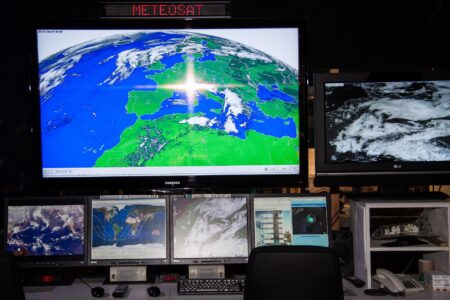
A comprehensive global network is in place to monitor the ozone layer, utilizing satellites and ground-based instruments. NASA and NOAA satellites, including the Aura and NOAA-20 and NOAA-21, play a crucial role in tracking ozone. These instruments, along with weather balloons and surface-based devices, provide vital data for understanding ozone dynamics.
The collaborative efforts of scientists worldwide ensure accurate monitoring and assessment of the ozone layer’s health. These observations are essential for guiding policy decisions and international actions aimed at safeguarding our planet’s atmosphere.
The shrinking of the ozone hole over Antarctica represents a significant environmental success story. This achievement underscores the power of international cooperation and science-driven policy in addressing global challenges. As the ozone layer continues its path to recovery, what other environmental issues can benefit from similar collaborative efforts and scientific advancements?

Wow, this is great news! 🌍 Does this mean we’re finally on track to heal the planet? 🤔
Wow, this is great news! 🌍 Does this mean we can finally relax a bit on the environmental front?
Thank you for sharing such a positive update! We needed some good news. 😊
Is this decrease in the ozone hole size a direct result of the Montreal Protocol, or are there other factors at play?
So, can we just relax about the ozone layer now, or is there more work to do? 🛠️
Can we trust these numbers? Seems like good news always comes with a catch. 🤔
Wait, what about the other environmental problems? Are we making any progress there?
This is a fantastic achievement! Thank you to all the scientists and policymakers involved! 🙌
This is just a blip. We need to keep pushing for more environmental policies. 🌱
Is the Montreal Protocol the only reason for this improvement?
So, when can we expect the ozone layer to be fully recovered? Late 2060s feels like a lifetime away!
Nice to see some positive news for a change! How can we help sustain this trend?
Why isn’t this in the headlines? People need to know about this positive development!
Great article! Are there any other treaties as impactful as the Montreal Protocol?
Great news, but how does this affect climate change? Aren’t they related?
Does this mean fewer sunburns in the future? Asking for a friend. 😅