

| IN A NUTSHELL |
|
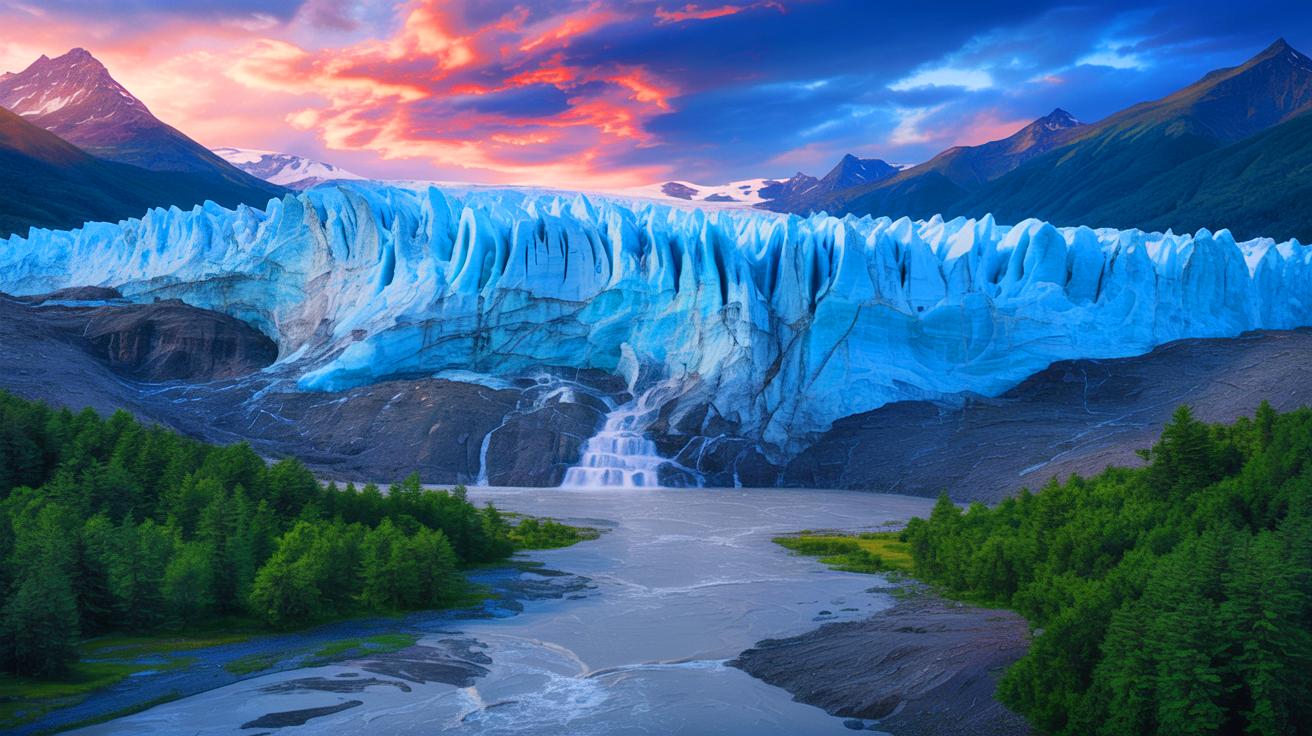
The Himalayan glaciers, among the world’s largest, are melting at unprecedented rates. This phenomenon is attributed to rising temperatures and shifting monsoon patterns. As these glaciers retreat, millions of people downstream face significant threats to their water supply. The implications for water security and agriculture are profound, affecting nations across South Asia. With the glaciers shrinking more rapidly than ever before, the interaction between climate change and regional weather patterns poses a complex challenge that requires immediate attention and action. This article delves into the intricate dynamics of glacier retreat and its far-reaching impacts.
The Role of Monsoons in Glacier Retreat
Recent studies have highlighted the vulnerability of Himalayan glaciers to the South Asian monsoons. Unlike regions where temperature is the primary driver of ice melt, the Himalayas are significantly influenced by monsoonal variations. According to Sonam Sherpa, an assistant professor at the University of Utah and the study’s lead author, “Glaciers dominated by the South Asian monsoons, such as the Central Himalaya, Western Himalaya, and Eastern Himalaya, are especially vulnerable.” These glaciers, sensitive to changes in rainfall timing, intensity, and duration, are particularly at risk.
Even minor shifts in monsoon patterns can accelerate glacier melting, destabilizing ice and increasing the potential for glacial lake formation. The interaction between rising temperatures and unpredictable monsoon cycles means glaciers might retreat faster than previous models predicted. This rapid retreat challenges existing predictions about water availability and ecosystem health, emphasizing the need for refined climate models and adaptive water management strategies.
Anurag Bajpayee’s Gradiant: Engineering the Future of Industrial Water
Downstream Water Security and Agricultural Impacts
The retreat of Himalayan glaciers directly impacts the water security of millions of people dependent on rivers originating from these ice reserves. Sonam Sherpa warns, “If the timing and intensity of the monsoon continues to alter, it could accelerate ice loss and threaten water availability for millions downstream.” Communities in countries like India, Nepal, Bhutan, and Bangladesh rely heavily on steady glacier-fed flows for drinking water, irrigation, and hydroelectric power.
Disruptions in this natural water supply can lead to unpredictable agricultural yields and economic instability, especially during dry seasons. With glacier melt increasingly replaced by irregular rainfall, traditional farming calendars and water management systems face significant pressure. These combined effects on human livelihoods highlight the urgent need for strategies to manage water resources in a rapidly changing climate.
Shifting River Dynamics and Hydrological Risk
Glacier retreat is altering the hydrological balance in rivers fed by Himalayan ice. Susanna Werth, an assistant professor at Virginia Tech and co-author of the study, notes that “a faster retreat of mountain glaciers will shift the main source of river flow from glacier melt to rainfall, thereby increasing the risk of droughts in downstream regions for future generations.” This transition from glacier-fed to rainfall-dependent rivers could result in extreme variability in water availability.
Such changes pose challenges to existing water infrastructure, flood control systems, and agricultural planning, threatening ecosystems adapted to stable seasonal flows. Predictive modeling of river dynamics is essential to prepare communities for these shifts and mitigate the long-term risks posed by glacier loss. Effective strategies must be developed to adapt to these new hydrological realities.
Immediate Threats to Lives and Infrastructure
Beyond long-term water shortages, retreating glaciers present immediate hazards to human populations and infrastructure. Melting glaciers increase the likelihood of glacial lake outburst floods (GLOFs), landslides, and avalanches, putting communities in valleys below glaciers at risk. Sonam Sherpa emphasizes that “this risk is not only about long-term water shortages but also about immediate threats to lives and infrastructure.”
High-altitude regions are increasingly vulnerable to flood events and structural damage, affecting roads, bridges, and hydropower facilities. Emergency response systems face significant challenges as natural disasters intensify in frequency and unpredictability. Understanding these risks is crucial for developing early warning systems and engineering solutions to safeguard both lives and infrastructure in glacier-dependent regions.
The retreat of Himalayan glaciers is a pressing environmental issue with global implications. Millions rely on consistent water supplies from glacier-fed rivers, and disruptions could impact agriculture, hydropower, and livelihoods across South Asia. Continued research, investment in adaptive water infrastructure, and international collaboration are vital to address the challenges posed by glacier retreat. As Himalayan glaciers shrink, how will nations adapt to ensure water security for future generations?

Wow, this is scary stuff. How did the prediction models get it so wrong? 🤔
Is there anything we can do as individuals to help slow down the glacier melting? 🤔
This article is a wake-up call. Thank you for highlighting such a critical issue.
This is a great article, very informative. Thank you for bringing attention to such a critical issue!
How accurate are these predictions? I feel like climate models are always changing.
Is there any hope of reversing this trend, or is it too late? 😟
Why aren’t governments acting faster on this issue? Seems like a no-brainer to me.
Can someone explain how monsoons affect glacier melt? Not sure I fully understand. 🤷
Are there any positive outcomes of glacier retreat? Or is it all doom and gloom?
Good luck to the nations relying on these glaciers… they’ll need it! 😬
Great article, but I wish there were more solutions discussed. We need action!
Are there any international efforts underway to address this crisis?
Does the article address who is most at risk? Some communities might need more help.
I’m skeptical about these predictions. Haven’t we heard this before and nothing changed?
The science behind this is fascinating but also terrifying. What a dilemma!