


| IN A NUTSHELL |
|
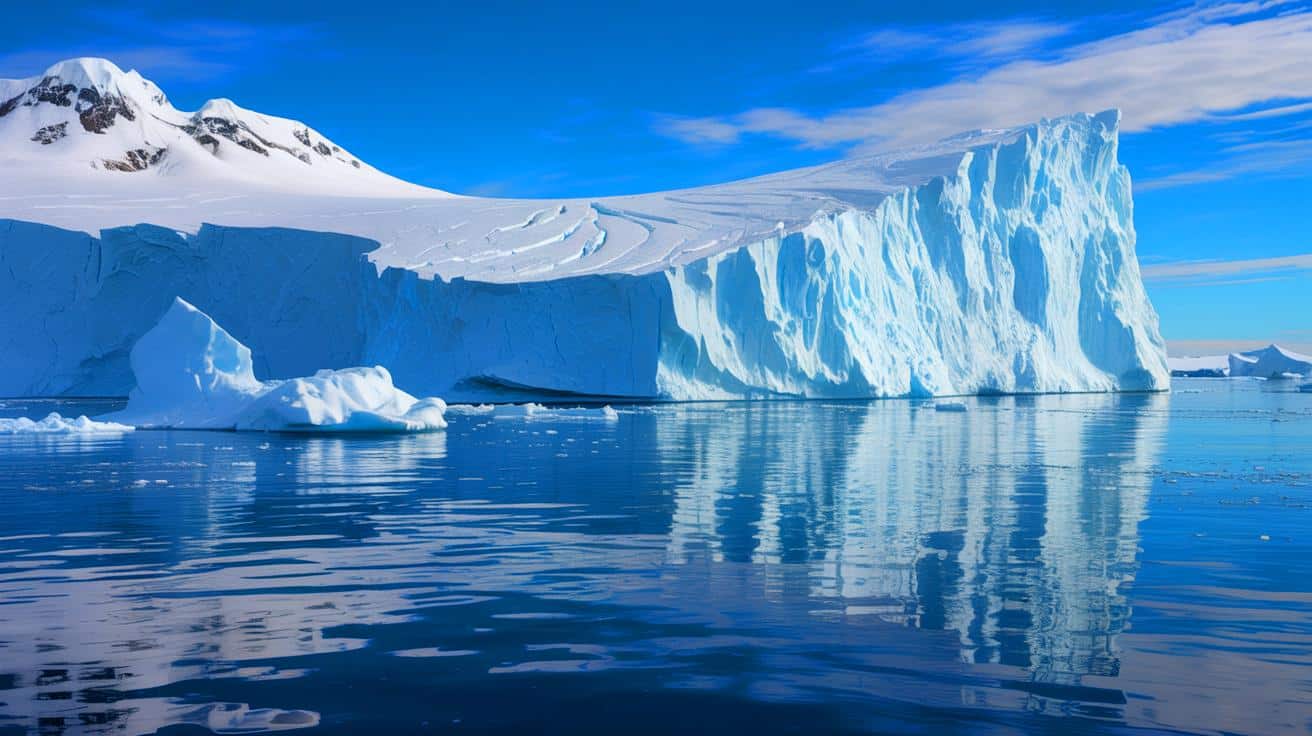
Antarctica, a region often associated with vast, unyielding ice, now faces unprecedented and potentially irreversible transformations. Recent research indicates that without a global effort to reduce carbon emissions, the changes in Antarctica’s ice, oceans, and ecosystems could have dire consequences globally. This stark warning comes from a study by scientists from The Australian National University, the University of New South Wales, and other major Antarctic research institutions. The findings underscore the need for immediate action to avert catastrophic outcomes not only for Antarctica but for coastal regions and ecosystems worldwide.
The West Antarctic Ice Sheet: A Collapse in Motion
The West Antarctic Ice Sheet (WAIS) is at a critical juncture, with scientists identifying it as highly vulnerable to collapse as carbon dioxide levels surge. A full collapse of the WAIS could result in a sea level rise exceeding 10 feet, threatening coastal populations and major cities. Dr. Nerilie Abram, a leading scientist in the study, warns that such an event would have catastrophic consequences for future generations. Rapid changes are already being observed in Antarctica’s ice, oceans, and ecosystems, with the situation worsening with every fractional increase in global temperature.
The implications of a collapsing WAIS are profound. Coastal cities around the globe, from New York to Shanghai, could face increased flooding, displacing millions and causing economic upheaval. The scientific community stresses that immediate action is necessary to mitigate these risks. Without significant reductions in greenhouse gas emissions, the probability of a WAIS collapse becomes increasingly likely, underscoring the urgency of global climate initiatives.
Sea Ice Decline and Worsening Feedback Loops
Another alarming trend is the rapid decline in Antarctic sea ice. As sea ice diminishes, it triggers a series of feedback loops that exacerbate the situation. The loss of sea ice makes the surrounding ice shelves more susceptible to collapse due to wave action. Additionally, the absence of sea ice leads to increased solar absorption by the ocean, further warming the region. These changes highlight the vulnerability of the Southern Ocean’s deep circulation systems to rising temperatures.
The shrinking sea ice has wide-ranging implications, including the destabilization of ice shelves that support the Antarctic ice sheet. As these systems reach potential tipping points, the cascading effects could accelerate global warming and impact marine ecosystems. The decline in sea ice is not just an isolated phenomenon but part of a broader pattern of environmental change that demands urgent attention.
Consequences Reaching Australia and Beyond
The transformations in Antarctica are not confined to the continent but have repercussions far beyond its icy reaches. Professor Matthew England highlights the significant impacts on Australia, including rising sea levels that threaten coastal communities. The warming and deoxygenation of the Southern Ocean reduce its capacity to absorb carbon dioxide, intensifying global warming effects in Australia and beyond.
The loss of Antarctic sea ice contributes to regional warming, further affecting weather patterns and marine life. These changes pose significant challenges for policymakers and planners who must consider the implications of Antarctic transformations in their climate adaptation strategies. The interconnectedness of global systems means that local actions, such as emission reductions, can have far-reaching benefits, potentially mitigating some of the adverse effects observed in Antarctica.
Wildlife and Ecosystems in Jeopardy
The ecological impact of these changes is profound, with Antarctic wildlife facing increased risks. Emperor penguin populations are particularly vulnerable, as stable sea ice is crucial for chick survival. Early sea ice breakouts have led to the loss of entire colonies, raising concerns about the species’ future. Other species, such as krill and certain penguin and seal species, are also threatened by the changing environment.
Marine ecosystems are at risk of collapse if the Antarctic overturning circulation fails, preventing essential nutrients from reaching surface waters. The potential loss of these nutrients could disrupt the food web, affecting species at all levels. The research underscores the need for comprehensive measures to protect Antarctic ecosystems, which play a vital role in global biodiversity and climate regulation.
The challenges facing Antarctica are a microcosm of broader environmental issues that demand global attention. The research calls for immediate and sustained action to reduce emissions and mitigate the impacts of climate change. As the world grapples with these challenges, the question remains: How will we mobilize the necessary resources and political will to protect our planet’s most vulnerable regions and, by extension, our collective future?

Wow, this sounds serious! Are there any success stories of countries already reducing their carbon emissions? 🌍
Wow, this is seriously alarming. How soon could we see these changes affecting coastal cities?
Great article! It’s terrifying to think about how quickly things can change. Thanks for raising awareness.
Are there any signs that policymakers are taking this threat seriously? 😟
Sea levels rising by 10 feet? That’s like Atlantis all over again! 🧜♂️
Great article! Thanks for raising awareness about such a critical issue.
Is there any hope for reversing the damage, or is it already too late?
So what can we actually do to help? It feels overwhelming.
Is it too late for us to reverse these changes, or is there still hope? 🤔
I wonder how this impacts the tourism industry in Antarctica. 🧳
What are the immediate actions that individuals can take to help mitigate these impacts?
Not sure I believe the whole “unstoppable changes” narrative. Let’s see more data!