



| IN A NUTSHELL |
|
The rapid warming of Earth’s oceans is a phenomenon that is reshaping the planet’s climate system in unprecedented ways. In 2023, a series of marine heatwaves (MHWs) swept across the globe, setting new records for intensity and duration. These events, which covered nearly all of the world’s oceans, have raised alarms among scientists about the potential long-term consequences for marine ecosystems and the broader climate. This article delves into the causes and impacts of these extreme heatwaves, examining their implications for both marine life and human societies.
Understanding Marine Heatwaves: The Basics and Their Consequences
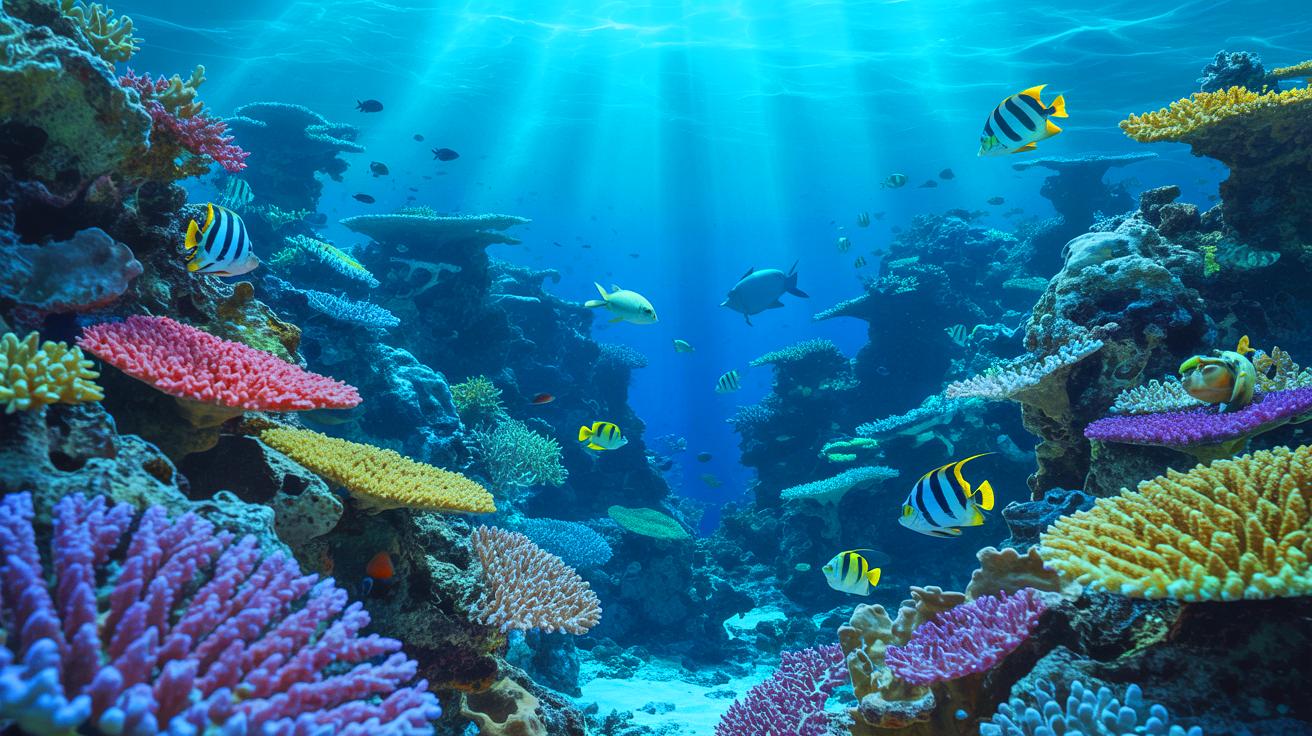
Marine heatwaves (MHWs) are defined as periods when ocean temperatures rise significantly above their normal levels for extended durations. Historically, these heatwaves have been localized events, but the 2023 series was global in its reach. According to a study published in Science, these heatwaves persisted four times longer than the historical average. The primary consequence is the dramatic impact on marine biodiversity. Elevated temperatures lead to coral bleaching, which is detrimental to coral reefs, often referred to as the rainforests of the sea. These reefs are critical habitats for a multitude of marine species.
Additionally, MHWs disrupt marine food chains. Many fish and marine organisms are highly sensitive to temperature changes, and their habitats become inhospitable during heatwaves. The increased temperatures also result in reduced oxygen levels in the ocean, exacerbating threats to aquatic life. The combination of these factors presents a dire outlook for marine ecosystems, which are already under pressure from human activities.
When It’s Hot, Never Forget The “Twilight Towel” Trick When You Don’t Have Air Conditioning
The Global Scale of the 2023 Ocean Heatwaves: A Record-Breaking Event
The 2023 marine heatwaves shattered records in terms of both their geographical spread and intensity. Data indicate that 96% of the world’s oceans experienced extreme temperature spikes. This event was unprecedented in the history of ocean observation. The North Atlantic, Tropical Pacific, North Pacific, and Southwest Pacific regions were particularly affected, accounting for over 90% of ocean heat anomalies. In some areas, such as the North Atlantic, the heatwaves lasted an extraordinary 525 days.
This exceptional duration and intensity signal potentially irreversible changes in the global climate system. Temperature increases were most pronounced in regions like the Tropical Eastern Pacific, where spikes of up to 2.9 degrees Fahrenheit were recorded. Such warming aligns with the onset of the El Niño phenomenon, further exacerbating oceanic temperature anomalies. Scientists warn these events are likely to become more frequent as the climate continues to heat up.
The Underlying Causes of Marine Heatwaves: A Complex Interaction of Climate Forces
The 2023 marine heatwaves were driven by a complex interplay of natural and human-induced factors. Regional drivers included increased solar radiation due to reduced cloud cover, changes in ocean circulation, and altered wind patterns. These factors contributed to greater heat absorption by the oceans, amplifying the heatwaves. In the North Atlantic and Pacific, changes in ocean currents played a crucial role in sustaining elevated temperatures.
However, the scale of these heatwaves cannot be explained by natural forces alone. Human-driven climate change has significantly amplified the problem. Greenhouse gas emissions have increased global temperatures, raising baseline ocean temperatures and making the oceans more susceptible to extreme heat events. Feedback loops, such as reduced oceanic mixing and increased stratification, trap heat in the surface layers, further intensifying the heatwaves.
The Impact on Marine Ecosystems: From Coral Reefs to Fisheries
The consequences of marine heatwaves for ocean ecosystems are profound. One of the most visible impacts is coral bleaching, which leads to the destruction of coral reefs. These ecosystems are vital for marine biodiversity, providing shelter and sustenance to numerous species. When temperatures exceed certain thresholds, corals expel the symbiotic algae they rely on, leading to bleaching and, eventually, coral death.
Fisheries are also at risk. Many fish species are highly sensitive to temperature changes, and prolonged heat events disrupt their breeding cycles, migration patterns, and feeding habits. This affects global fish stocks and poses economic challenges for communities reliant on fishing. Studies suggest the economic impact of MHWs on fisheries could reach billions of dollars, highlighting the urgent need for adaptive management strategies.
The Connection Between Marine Heatwaves and Broader Climate Change
The 2023 marine heatwaves are emblematic of broader shifts in Earth’s climate system. Rising global temperatures, driven by human activities, are increasing the frequency and severity of extreme weather events, including oceanic heatwaves. These events are part of a larger pattern of climate instability affecting ecosystems and human societies. The ongoing rise in ocean temperatures is linked to the melting of polar ice caps, contributing to rising sea levels and more intense storms.
Marine heatwaves also highlight the potential for climate tipping points. These critical thresholds can lead to irreversible changes in environmental systems. For oceans, continued intensification of heatwaves could cause permanent damage to marine ecosystems, risking the collapse of fisheries. If the oceans reach a tipping point, they may no longer function as a buffer against climate change, accelerating global warming impacts. How can humanity adapt to these rapidly changing conditions to protect both marine environments and the communities that depend on them?

Is it really possible for 96% of the world’s oceans to be burning? Seems a bit far-fetched! 🔥
Wow, this is terrifying! How can we help to stop the oceans from “burning”? 🌊🔥
Thank you for shedding light on this critical issue. More people need to know about the state of our oceans!
I’m curious, what role does plastic pollution play in exacerbating these heatwaves?
How about we start by reducing carbon emissions? Seems like a good first step!
Does this mean my seafood is at risk of becoming a luxury item? 🐟💸
The economic impact on fisheries is a big concern. What can governments do to support affected communities?
Is there a link between these heatwaves and the melting polar ice caps?
Are there any success stories of marine ecosystems recovering from such heat events?
Wait, 96%? Are there any oceans left that weren’t affected? 🤔
This article is an eye-opener. How can we push for more global action on climate change?
It feels like every year there’s a new climate record being broken. Scary times!
If these heatwaves continue, what’s the long-term outlook for our oceans?
Is there a silver lining here, or are we just doomed? 😟
Maybe it’s time we seriously consider moving to Mars? 🚀
How accurate are these statistics? Seems hard to measure such a vast area.
Coral reefs are the rainforests of the sea, and we all know how those are faring… 😞
Why isn’t this headline news everywhere? This is a global crisis!
Can technology help us predict and mitigate future marine heatwaves?
What role do ocean currents play in these heat anomalies?
Why aren’t more people talking about the economic impact on fisheries? It’s huge!
Is this a temporary phenomenon, or the new norm for our oceans?
This is so alarming. How can we, as individuals, contribute to reducing climate change’s impact on oceans?
Too bad fish can’t just buy air conditioners! 🐠❄️
Isn’t it a bit exaggerated to say 96% of the world’s oceans are “burning”? Seems like clickbait to me.
How does this affect biodiversity in the long run? Will some species go extinct?
What’s the scientific community doing to address these alarming trends?
Wow, 525 days! That’s almost a year and a half of heatwaves. Insane!
Isn’t it time we hold major polluters accountable? Enough is enough.
What’s the connection between marine heatwaves and global warming?
Climate change is real, folks. Can we stop pretending it’s not?
Wow, 525 days is a long time for a heatwave. Have we seen anything like this before?
Great article! It’s eye-opening to see the connection between marine heatwaves and climate change. Thank you! 😊
It’s devastating to think about the coral reefs. What measures are being taken to protect them?
Why did the heatwaves last so long this time? Is it just climate change or something else?
Are these marine heatwaves linked to El Niño or something else?
Coral bleaching is a huge deal. It’s like losing the rainforests of the sea! 🌳🐠
Who knew oceans could “burn”? Sounds like something out of a sci-fi movie! 😂
Can someone explain what “feedback loops” are? I’m a bit lost on that part.