




| IN A NUTSHELL |
|
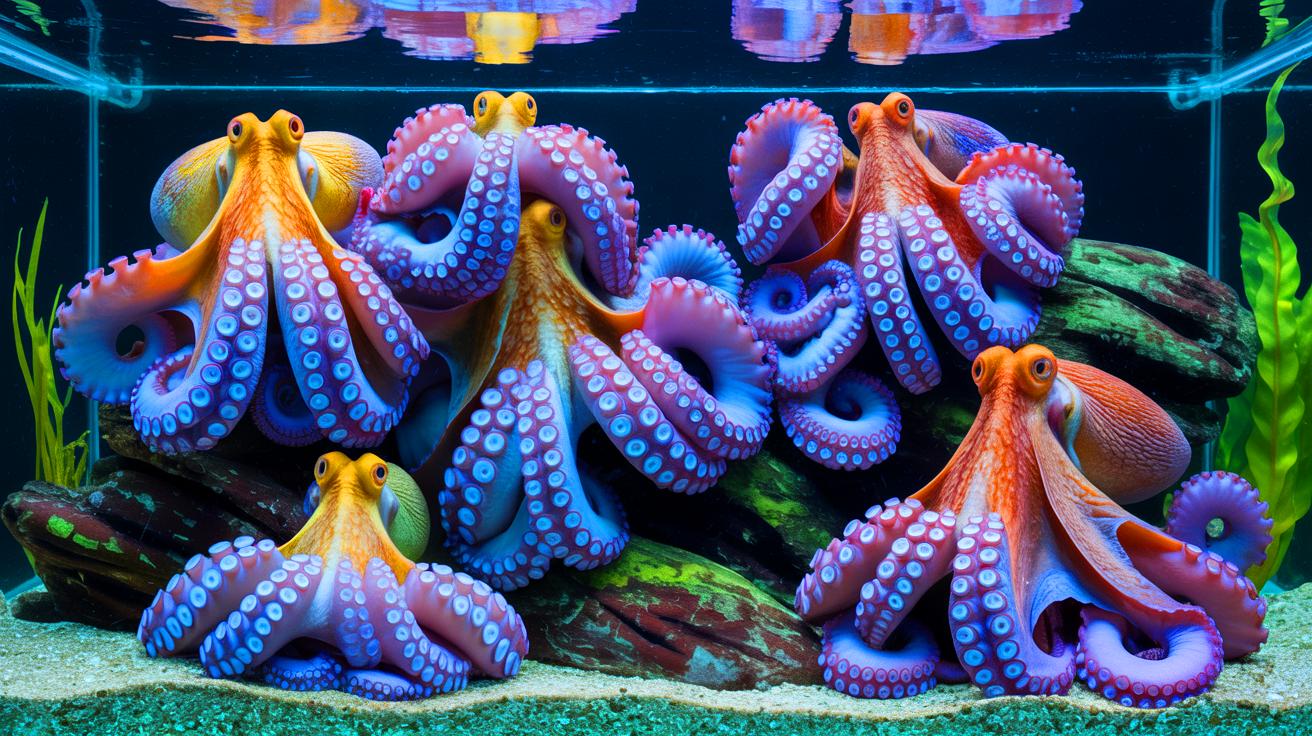
In recent years, the world has witnessed a surge of interest in alternative farming practices to address food security and sustainability challenges. Among these, the proposal to establish the world’s first commercial octopus farm by Nueva Pescanova, a Spanish seafood company, has sparked significant debate. While the farm aims to mitigate declining wild octopus populations, it raises profound ethical and environmental concerns. The intelligence and complex behaviors of octopuses, combined with the proposed farming methods, have led to intense scrutiny from scientists, legislators, and the public. This article explores the multifaceted issues surrounding octopus farming, delving into the ethical, scientific, and global perspectives.
The Intellectual Marvels of Octopuses
Octopuses are often regarded as one of the most intelligent creatures in the ocean, sometimes likened to “alien intelligence” due to their unique cognitive abilities. With approximately 500 million neurons, their nervous system is incredibly complex. Remarkably, only one-third of these neurons are located in their brains, while the rest are dispersed throughout their arms. This distribution allows each arm to operate semi-independently, enabling octopuses to solve puzzles, use tools, and learn from observation.
Examples of their intelligence are well-documented. An octopus named Otto at the Sea Star Aquarium in Germany once shorted out aquarium lights by squirting water at them, illustrating problem-solving skills. Other octopuses have been observed building shelters with rocks and unscrewing jar lids from the inside. These behaviors highlight their dexterity and ingenuity, making the prospect of farming them a contentious ethical issue. Octopuses’ advanced cognition challenges humanity to reconsider their treatment in industrial settings, especially in light of their demonstrated intelligence and autonomy.
Ethical Concerns and Animal Welfare
The ethical debates surrounding octopus farming are rooted in the animals’ recognized sentience and capacity to experience pleasure and pain. A study by the London School of Economics led to the inclusion of octopuses in the UK’s Animal Welfare (Sentience) Act, marking them as the only invertebrates under such legal protection. This recognition underscores the need for ethical treatment in any farming practices.
Nueva Pescanova’s farming proposal raises significant animal welfare concerns. The planned conditions involve densely stocking tanks, housing 10 to 15 octopuses per cubic meter. This setup contradicts their solitary nature and could lead to aggression and cannibalism. Moreover, the method of killing octopuses using ice slurry is considered inhumane, causing prolonged suffering. Critics like neuroscientist Dr. Peter Tse argue that such practices are unacceptable for creatures with advanced cognitive abilities. The ethical implications of these methods have sparked global protests and calls for reevaluation of industrial animal farming practices.
Octopuses’ advanced cognition challenges humanity to reconsider their treatment in industrial settings.
The Global Backlash and Legislative Actions
Nueva Pescanova’s plans have faced swift international backlash. In the United States, Washington state has already banned octopus farming, citing ethical concerns and potential economic impacts. U.S. Senators Lisa Murkowski and Sheldon Whitehouse have introduced the OCTOPUS Act to prohibit nationwide octopus farming and block imports of farmed octopus. This legislative push reflects the growing recognition of octopuses as sentient beings that should not be subjected to commercial farming.
Globally, pressure mounts on the European Union to address the ethical concerns raised by the proposed Spanish facility. Public protests have erupted in Madrid, highlighting widespread opposition to what many perceive as a new form of animal cruelty. As awareness of octopus intelligence and suffering spreads, calls for ethical treatment and conservation resonate across borders. This international response signifies a shift towards recognizing the moral responsibilities of humans in their interactions with intelligent marine life.
Scientific and Environmental Implications
While proponents argue that octopus farming could relieve pressure on wild populations, the environmental and scientific implications are fraught with complexity. Octopuses are carnivorous and require significant fish resources for farming, which may strain already depleted fish stocks. Critics contend that such practices undermine conservation efforts and exacerbate environmental challenges.
The scientific community also grapples with the moral dilemmas posed by farming intelligent beings. The documentary “My Octopus Teacher” brought attention to the emotional depth and trust-building capabilities of octopuses, prompting a reexamination of human perceptions. As scientists continue to explore the genetic links between human and octopus intelligence, questions arise about the ethical use of this knowledge. Should society prioritize industrial exploitation or foster a deeper appreciation for these remarkable creatures?
The debate surrounding the proposed octopus farm by Nueva Pescanova highlights critical questions about humanity’s relationship with intelligent marine life. As scientific insights into octopus cognition advance, the ethical and environmental implications of farming these creatures become increasingly significant. Legislative actions and public protests signal a growing demand for ethical treatment and conservation. The decision to prioritize commercial gains or ethical considerations will shape our interactions with the natural world for generations to come. How will we balance these competing interests in the face of evolving scientific understanding and public sentiment?

Why are people so upset about farming octopuses? Aren’t they just another seafood option?
Maybe the octopuses will outsmart us and escape! 😂
The OCTOPUS Act sounds like a step in the right direction. Hope it passes! 🧠
Honestly, I didn’t even know octopuses were this smart. This changes everything!
Does anyone else find it ironic that we’re using their intelligence as a reason not to farm them?
Thank you for bringing this to our attention. It’s a complex but necessary conversation.
How would the environmental impact of octopus farming compare to other types of aquaculture?
If they are so smart, shouldn’t we be learning from them rather than farming them?
Wow, octopus farming as a concept is mind-blowing. I’m not sure what to think. 🤯
Is there any way to farm octopuses ethically, or is it inherently problematic?
Could these farming practices actually help wild populations in any way?
Octopus farming sounds like a sci-fi novel come to life! 🌌
I’m glad to see legislators taking action against unethical farming practices. 👏
How do the proposed farming conditions compare to natural habitats?
The intelligence of octopuses really makes you question a lot of things about animal farming.
Is there scientific consensus on the cognitive abilities of octopuses?
It feels like we’re playing with fire by trying to domesticate such intelligent creatures. 🔥
What are the major points of opposition from the EU? Are they listening to the public?
Honestly, this whole octopus farming thing sounds like a bad idea. 🐙🚫
Thank you for covering this topic. It’s important for more people to be aware.
Why is ice slurry used for killing octopuses considered inhumane?
Does anyone else think octopuses might be plotting their revenge? 😂
Can we really justify octopus farming when we know how intelligent they are?
What impact might this have on seafood prices and availability?
Are there any successful examples of ethical octopus farming anywhere?
Thank you for shedding light on this issue. It’s important to consider the ethical implications of our food choices.
Maybe we should just stick to eating fish and leave the octopuses alone! 🐟
What are the alternatives to octopus farming? Can we meet seafood demands without resorting to this?
Wait, octopuses can unscrew jar lids from the inside? That’s wild! 🐙
This is a tough debate. On one hand, we need sustainable food sources, but on the other, animal welfare is crucial.
How does Nueva Pescanova plan to deal with the potential aggression among octopuses in captivity?
It’s concerning that such intelligent creatures might be farmed. Can we justify this ethically?
Shouldn’t we focus on protecting wild octopus populations rather than farming them?