

| IN A NUTSHELL |
|
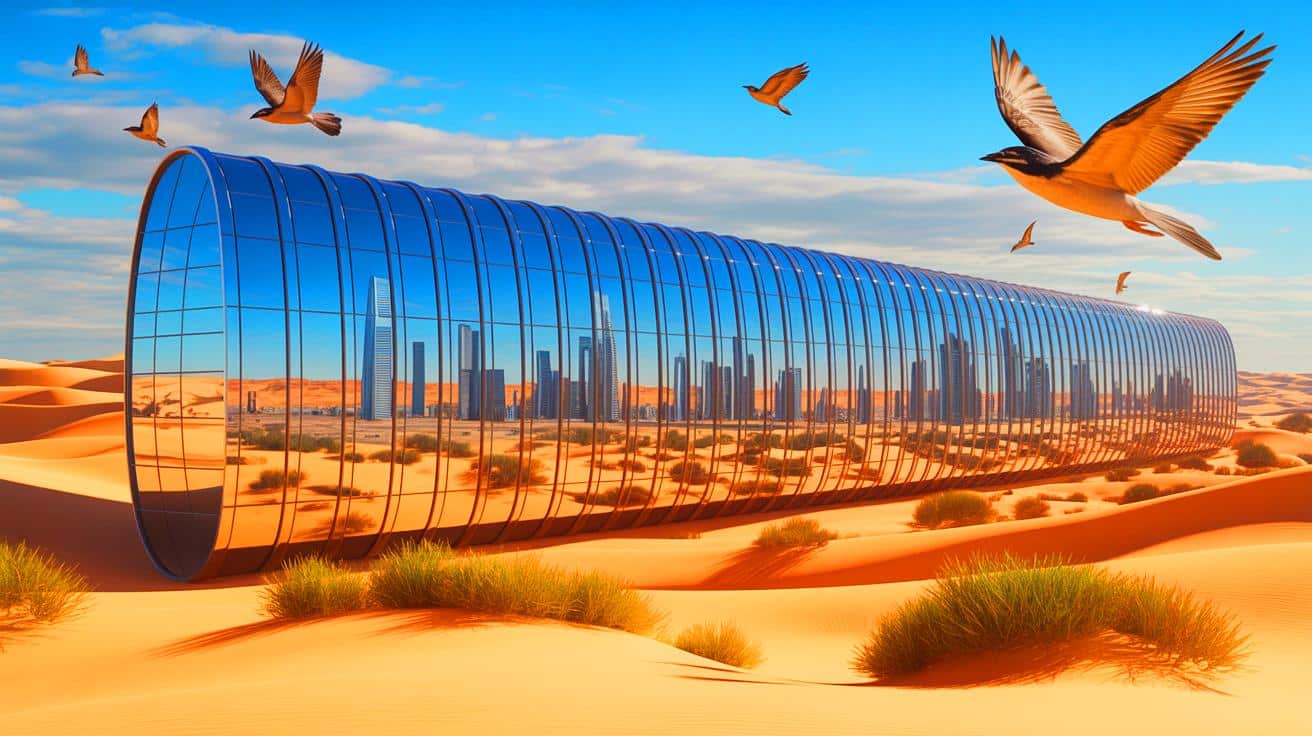
The Line project in Saudi Arabia’s desert is a visionary attempt to redefine urban living with a futuristic cityscape. As part of the larger NEOM initiative, it seeks to blend sustainability with innovation, stretching an incredible 105 miles. However, amid the excitement surrounding this audacious endeavor, significant concerns have arisen about its environmental impact. Particularly troubling is the threat to local wildlife, including migratory birds, that traverse this region. As the project unfolds, it prompts critical questions about how technological progress can coexist with ecological preservation, challenging us to ponder the delicate balance between urban development and nature.
The Scale and Ambition of The Line
The Line is an integral component of Saudi Arabia’s Vision 2030, a transformative initiative aiming to convert a vast desert into an urban marvel. This linear city is designed to stretch 105 miles and soar 1,640 feet into the sky, with plans to accommodate nine million residents. The striking mirrored facade of The Line represents a blend of cutting-edge technology and sustainability aspirations, promising to redefine urban living. However, the project’s grand scale has drawn scrutiny from environmentalists concerned about biodiversity threats, particularly to the avian population.
Internal assessments reveal significant worries about the project’s impact on migratory birds. The towering structure with its reflective surfaces poses a serious risk to avian life. Environmentalists argue that the challenge lies in harmonizing such grand urban visions with the delicate ecosystems they inhabit. The project’s progress and ultimate success depend on addressing these environmental concerns while maintaining its ambitious urban innovation goals.
Environmental Implications and Avian Threats
Located on a major migratory route, The Line poses a substantial threat to billions of birds. The mirrored skyscraper could become a lethal obstacle for these winged travelers. The developers acknowledge the potential loss of avian life, which has ignited intense debates about balancing urban expansion with wildlife conservation.
The table below highlights some of the critical challenges faced by The Line project:
| Challenge | Impact |
|---|---|
| 🦅 Avian Impact | A Threat to Migratory Birds |
| 🏙️ NEOM Project | Desert Transformation into a Futuristic City |
| 🌿 Sustainability | An Ecological Ambition Under Scrutiny |
| 📉 Delays | Cumulative Construction Challenges |
The plight of these birds underscores broader questions about development in environmentally sensitive areas. How can we ensure our pursuit of innovation does not come at the expense of biodiversity and ecological balance? This dilemma highlights the importance of integrating environmental considerations into urban planning to safeguard the natural world.
Construction Hurdles and Project Delays
Beyond environmental concerns, The Line project faces significant construction challenges and delays. Initially projected to house nine million residents, current estimates suggest only 300,000 inhabitants by 2030, indicating a stark contrast to the original vision. Construction is primarily focused on excavation, with numerous foundational challenges delaying progress.
Key issues include:
- Construction setbacks
- Balancing nature and urbanization
- Impact on biodiversity
- Project delays
These challenges underscore the complexities of pursuing sustainable construction in fragile environments. The project’s ambitious goals necessitate overcoming these obstacles while ensuring ecological integrity. As The Line progresses, it serves as a poignant case study in the ongoing dialogue about sustainable development.
Balancing Innovation and Ecological Preservation
The Line project exemplifies the tension between urban innovation and ecological preservation. Its ambitions are as vast as the desert it seeks to transform, but the environmental cost cannot be overlooked. Balancing technological and architectural progress with nature’s preservation is crucial to ensuring a sustainable future.
As we move forward, we must ask ourselves: How can we strike a balance between creating advanced, innovative urban environments and preserving the natural world for future generations? What sacrifices are we willing to make in the pursuit of progress, and how can we ensure that our actions today do not come at the expense of tomorrow’s ecosystem?

What measures are being taken to minimize bird deaths? 🦅
Why not spend that money on conserving the desert instead?
So many construction delays—what’s causing them?
Is there a plan for renewable energy use in this project?
Who thought mirrors in a desert was a good idea? 🤦♂️
How can they ensure the project won’t harm the environment?
Wow, the ambition is impressive, but at what cost? 😟
Do the developers have any plans to mitigate the impact on birds?
Are there any success stories of similar projects elsewhere?
It’s always the birds that suffer, isn’t it? 😢
This project sounds like something out of a sci-fi movie! 🤖
What are the local communities saying about this project?
This sounds like a disaster waiting to happen. Count me skeptical! 😒
Is this just another vanity project with no real benefit?
Appreciate the balanced reporting on this controversial topic.
Are there any benefits to wildlife from this project?
What’s the timeline for completion now with all these delays?
Sustainable development? More like unsustainable devastation! 🏗️🚫
Why not invest in real sustainability instead of mirrored facades?
What’s the point if only 300,000 can live there by 2030?
Can’t wait to see how this unfolds, though it’s worrying. 😬
The vision is bold, but the consequences could be dire.
Who will hold them accountable for the environmental damage?
Are there any international organizations involved in overseeing this?
Nature should come first. This project feels like a mistake. 🌿❌
How much of the budget is dedicated to environmental protection?
Isn’t the desert already harsh enough without adding skyscrapers?
Could this have been done in a more eco-friendly way?
What about the local flora and fauna? Are they being considered?
It’s sad to think of the potential harm to wildlife. 😞
Are there any comparable projects that succeeded in protecting wildlife?
Honestly, this sounds like a dystopian future! 😲
Is this really the future we want for urban living?
Thank you for highlighting the environmental concerns with this project.
How can they justify this when so much wildlife is at risk? 🤔
105 miles long? That’s mind-boggling! 😲
Are there any alternative designs being considered that might be less harmful to birds?
This seems like a recipe for disaster. Has no one learned from past mistakes?
The concept is intriguing, but the execution seems flawed.
How does this fit into Saudi Arabia’s larger environmental goals?
Thanks for the article! It’s a real eye-opener. 🌍