




| IN A NUTSHELL |
|
As the world increasingly embraces innovative technologies, the construction industry is not left behind. The University of Bristol has embarked on a groundbreaking experiment: testing the earthquake resistance of 3D-printed homes. This initiative represents a significant step towards integrating advanced manufacturing techniques into building construction. With this test, scientists aim to ensure the safety and durability of these homes, which are becoming popular for their affordability and sustainability. The outcome of this experiment could revolutionize how we build in earthquake-prone areas, potentially setting new standards for construction safety worldwide.
The World’s First Experiment to Ensure 3D Printed Homes Are Earthquake Proof
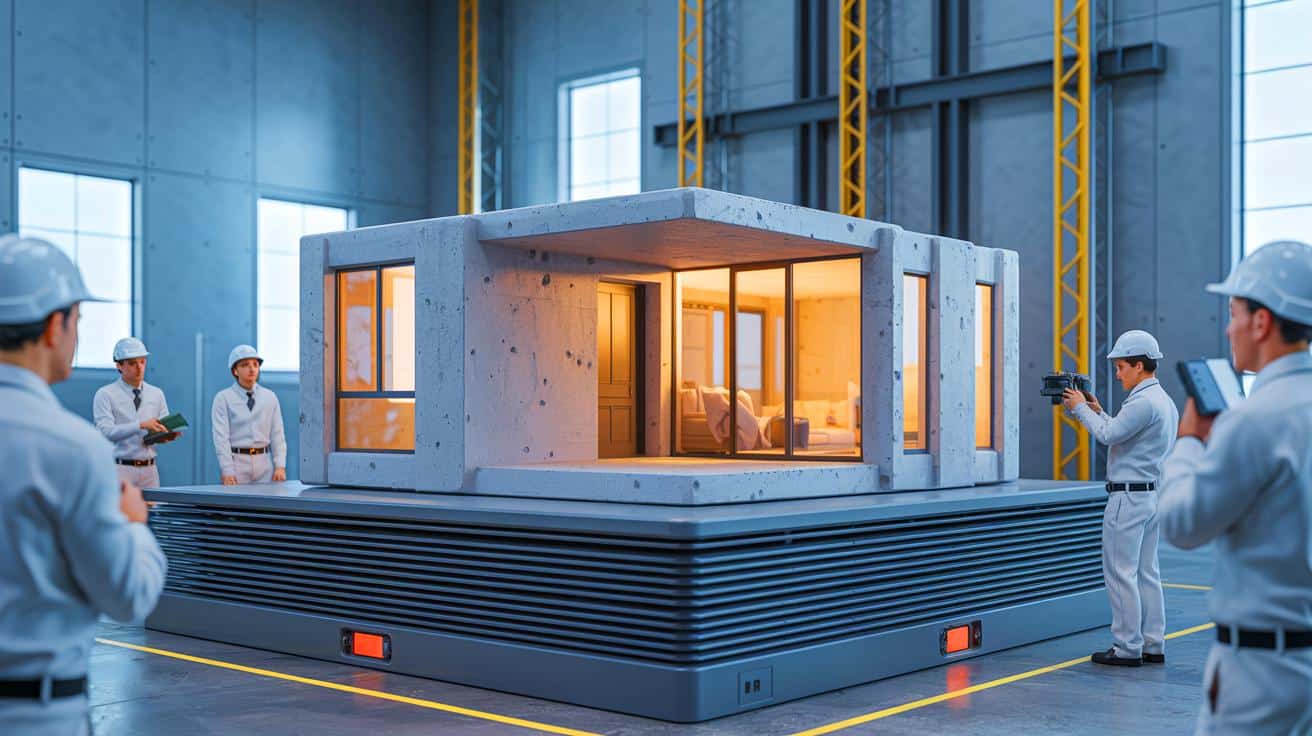
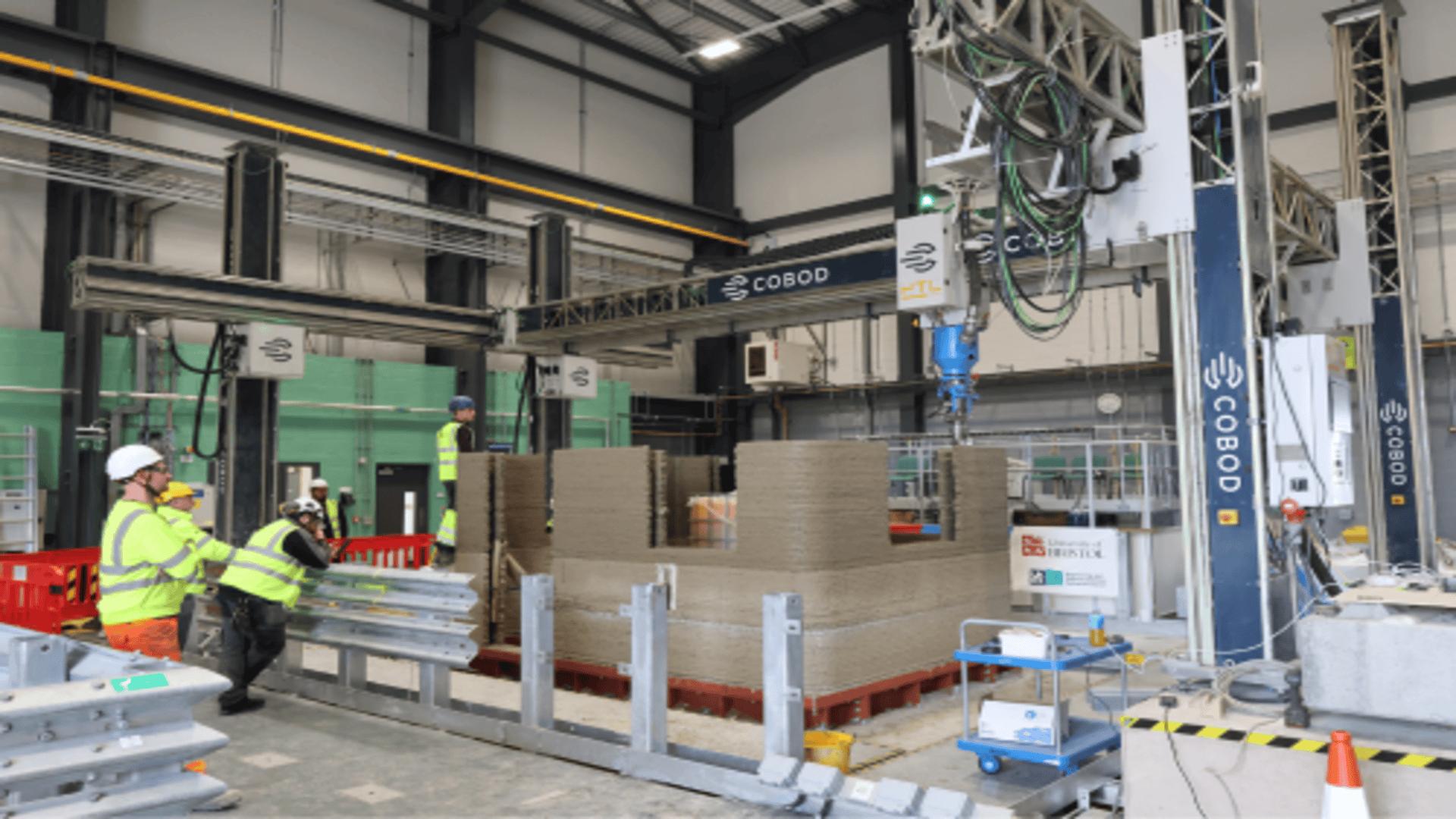
In a remarkable feat of engineering, the University of Bristol has undertaken the first-of-its-kind experiment to test the earthquake resilience of a 3D-printed concrete home. This endeavor involved the creation of a “quasi-real-scale” 3D-printed concrete structure, which was subjected to a series of rigorous tests using the UK’s largest shaking table, capable of bearing 55 tons. The tests were designed to simulate varying earthquake intensities, beginning with mild tremors and escalating to potentially destructive forces.
The primary objective was to observe the structural response of the 3D-printed unit under these simulated conditions, identifying any points of cracking or displacement. By juxtaposing these findings with the performance of traditional construction methods, the researchers aimed to validate computational models that predict seismic behavior. This study, spearheaded by Dr. De Risi, is pivotal in optimizing seismic performance, focusing on aspects such as layer bonding strategies and reinforcement integration. Ultimately, the goal is to establish whether 3D-printed concrete can adhere to current safety standards, offering a foundation for future building codes that embrace additive manufacturing technologies.
3D Printing Just Got Safer
The rapid advancement of 3D printing technology in the construction sector is reshaping industry norms, particularly concerning structural safety. Traditional concrete has long-established seismic behavior characteristics, but the advent of 3D-printed concrete introduces new variables. These include layered deposition, unique material properties, and non-conventional geometries, all of which require thorough analysis and adaptation to meet safety standards.
In regions like the United States, not all buildings are mandated to be earthquake-proof, but many are designed to comply with seismic standards. This new technology has sparked a renewed focus on incorporating earthquake resilience into the initial design phase. By addressing these safety concerns from the outset, the construction industry is taking significant strides towards a more sustainable future. A manager at the University of Bristol laboratory emphasized the global impact of this innovation, particularly for populations unable to afford traditional earthquake-resistant homes. The responsibility now falls on the construction industry to ensure that 3D-printed homes are not only affordable but also safe and resilient.
The Role of Innovation in Earthquake Safety
Innovation is at the heart of the University of Bristol’s mission to enhance the safety of 3D-printed homes. The project’s success could set a precedent for future construction methods, integrating cutting-edge technology with traditional safety practices. By leveraging the capabilities of 3D printing, the construction industry can potentially overcome longstanding challenges related to cost, speed, and sustainability in building design.
The insights gained from this experiment are crucial for engineers, architects, and policymakers who are exploring new frontiers in construction technology. By validating the seismic performance of 3D-printed structures, the University of Bristol aims to provide a robust framework for developing building codes that incorporate additive manufacturing. This endeavor underscores the transformative potential of innovation in addressing global challenges such as earthquake safety, demonstrating the university’s commitment to fostering a safer and more sustainable built environment.
Looking Towards the Future of Construction
The University of Bristol’s experiment marks a significant milestone in the evolution of construction technology. By validating the earthquake resistance of 3D-printed homes, this research paves the way for broader acceptance and integration of this technology in the construction industry. As the world grapples with the realities of natural disasters, the need for innovative solutions that enhance building safety is more critical than ever.
The potential of 3D printing in revolutionizing construction is immense, offering a pathway to more affordable, sustainable, and resilient homes. As we look to the future, the key question remains: how will this technology continue to evolve, and what impact will it have on the global construction landscape? Will it redefine the standards of safety and sustainability, or will it face challenges that hinder its widespread adoption? The answers to these questions will shape the future of construction and its role in creating a safer world for all.




Wow, this is groundbreaking! Will we see 3D-printed homes in earthquake-prone areas soon?
I’m amazed at how far technology has come. 3D-printed homes are the future! 🏡
Hope this leads to more affordable housing solutions for everyone!
Was the shaking table test as intense as real earthquakes? Just curious. 🤨
Great article! Would love to see more updates on this groundbreaking research.
Interesting read, but how does the cost compare to traditional building methods?
How long does it take to 3D print an entire house?
Finally, an innovative solution to one of humanity’s oldest problems—safe housing!
Is the durability of 3D-printed homes comparable to that of traditional homes? 🏠
Thank you for sharing this! It’s a step in the right direction.
So cool! What materials are being used in the 3D printing process?
Are there any limitations to the design capabilities of 3D-printed homes?
This will revolutionize construction in developing countries. 🙌
Any plans to test these structures under different environmental conditions?
What about the longevity of these homes compared to traditional ones?
Can this technology be used for other infrastructure projects, like bridges?
This sounds promising, but how scalable is the technology? 🤔
Incredible work! What’s next for the research team at the University of Bristol?
It’s about time the construction industry caught up with modern technology! 😅
Can these 3D-printed structures withstand other natural disasters, like hurricanes?
How do these homes handle aftershocks from earthquakes?
Amazing! Will this technology reduce construction time significantly?
Is there a backup plan if the 3D-printing process fails during construction?
Any insights into how these homes perform in terms of energy efficiency? 🌍
👏 to the University of Bristol for pioneering such innovative research!
What about the environmental impact of using 3D-printed concrete?
Does this mean we could see skyscrapers made out of 3D-printed material soon? 🤔
I’m still skeptical. How reliable are these tests in predicting real-world scenarios?