



Close Menu
  • Last News
    • Cities
    • Climate
    • Energy
    • Impact
    • Markets
    • Opinions
    • Policy
    • Reports
    • Research
  • About Us
  • Advertise
  • Contact Us

Subscribe to Our Newsletter

News, investigations, and analysis — our top stories every morning to start your day right.

Trending
discover how plant-based diets promote sustainability by reducing environmental impact, conserving resources, and supporting eco-friendly food choices.
How plant-based diets contribute to sustainability
Viktor Genkulov on the cost of digitalizing the maritime industry and when it will start to pay off
Luanda Declaration charts inclusive African blue economy rooted in conservation and prosperity
Facebook X (Twitter) LinkedIn YouTube TikTok
Sustainability Times
Facebook X (Twitter) LinkedIn YouTube TikTok
Subscribe
  • Featured
  • Cities

    The Hidden Carbon Cost of Construction Projects (And Why Better Planning Matters More Than You Think)

    05/13/2026
    explore the future of sustainability in urban development, focusing on innovative strategies and technologies shaping eco-friendly and resilient cities.

    The future of sustainability in urban development

    02/24/2026
    Illustration of a vertical farm in Beijing showcasing sustainable urban agriculture practices.

    “China Just Built Farm Skyscraper”: Beijing Greenhouse Grows Food In 37,673 Square Feet While Solar Panels Power Vertical Agriculture Revolution

    09/30/2025
    Illustration of Trojena Ski Resort's futuristic design in the Saudi Arabian desert.

    “We’re Building Winter Olympics in Pure Desert”: Saudi Arabia’s Trojena Ski Resort Hosts 2029 Asian Games Without Natural Snow

    09/09/2025
    Illustration of the historic Kiruna Church being relocated on self-propelled transporters to its new site in Sweden.

    “Sweden Moved a 700-Ton Church”: Historic Kiruna Building Traveled 3.1 Miles on Robot Transporters While King Watched the Journey

    09/03/2025
  • Climate

    Luanda Declaration charts inclusive African blue economy rooted in conservation and prosperity

    08/04/2026

    The Hidden Carbon Cost of Construction Projects (And Why Better Planning Matters More Than You Think)

    05/13/2026
    explore the vital link between sustainability and climate change, understanding how sustainable practices can help mitigate environmental impact and promote a healthier planet.

    The connection between sustainability and climate change

    04/07/2026

    How to Turn ESG Commitments into Real Results in Oil & Gas: Mikhail Zubkov on Implementing Practical Solutions

    02/24/2026

    Sustainability in Action—How Straight Six Auto Parts Is Revolutionising Automotive Recycling

    01/05/2026
  • Energy

    How bio-LNG is transforming the maritime sector

    06/29/2026
    explore how technology is accelerating sustainability innovations, driving eco-friendly solutions and creating a greener future for our planet.

    How technology is driving sustainability innovations

    03/24/2026

    How to Turn ESG Commitments into Real Results in Oil & Gas: Mikhail Zubkov on Implementing Practical Solutions

    02/24/2026
    explore the vital role of renewable energy in promoting sustainability and reducing environmental impact for a greener future.

    The role of renewable energy in achieving sustainability

    01/27/2026

    How Ilnar Iakhin’s Practical Field Innovations Are Reducing the Environmental Footprint of Gas Production

    12/19/2025
  • Impact
    discover how plant-based diets promote sustainability by reducing environmental impact, conserving resources, and supporting eco-friendly food choices.

    How plant-based diets contribute to sustainability

    08/11/2026

    Viktor Genkulov on the cost of digitalizing the maritime industry and when it will start to pay off

    08/05/2026

    Luanda Declaration charts inclusive African blue economy rooted in conservation and prosperity

    08/04/2026
    explore how sustainable forestry practices positively affect ecosystems by promoting biodiversity, improving soil health, and supporting long-term environmental balance.

    The impact of sustainable forestry on ecosystems

    08/04/2026
    learn practical tips and strategies to create a sustainable lifestyle without spending extra money, focusing on eco-friendly habits that save both the environment and your budget.

    How to create a sustainable lifestyle without extra cost

    07/28/2026
  • Markets
    explore how sustainability practices are transforming global supply chains, driving efficiency, reducing environmental impact, and promoting ethical sourcing worldwide.

    Sustainability and its influence on global supply chains

    07/21/2026
    explore the growth of sustainable investments and green finance, highlighting their impact on the global economy and the shift towards environmentally responsible financial practices.

    The rise of sustainable investments and green finance

    07/07/2026
    Switzerland’s regulated online gambling ecosystem is built on strict licensing rules, ensuring that only ESBK-approved casinos tied to land-based establishments can legally operate.

    Are Online Casinos Legal in Switzerland? Understanding the Current Regulatory Framework

    11/21/2025
    Illustration of the abrupt halt of a major lithium mine in China impacting global markets.

    “One Mine Shut Down and Prices Exploded”: CATL Halts Major Chinese Lithium Operation Sending Global Markets Into Chaos

    09/11/2025
    Illustration of the massive iron ore deposit discovered in the Pilbara region of Western Australia.

    Geologists Iron Find Worth $6 Trillion Sparks Geopolitical Firestorm As US-China Trade Rivalry Reaches Unprecedented Flashpoint

    08/24/2025
  • Opinions

    Viktor Genkulov on the cost of digitalizing the maritime industry and when it will start to pay off

    08/05/2026
    discover the essentials of sustainability and corporate social responsibility, exploring their impact on businesses and society for a better future.

    Sustainability and corporate social responsibility explained

    04/21/2026

    The Hidden Risks of Nepotism and Conflicts of Interest in Corporate Governance

    03/19/2026

    Sustainability, Family Offices, and Private Equity: A Powerful Alignment for Long-Term Impact

    08/05/2025

    Preserving Heritage While Innovating: How AI is Reshaping Design for a Sustainable Future

    07/23/2025
  • Policy

    Luanda Declaration charts inclusive African blue economy rooted in conservation and prosperity

    08/04/2026
    explore the crucial role of governments in advancing sustainability policies to protect the environment, promote social equity, and ensure economic growth for future generations.

    Role of governments in promoting sustainability policies

    06/16/2026
    explore effective strategies to promote sustainability through education, empowering communities to adopt eco-friendly practices and foster environmental awareness.

    Ways to promote sustainability through education

    03/10/2026
    Illustration of the NUMO Ground Robot Deployed by Ukraine for Military Operations.

    “It’s Doing the Dangerous Work for Us”: This Ukrainian Combat Robot Redefines the Battlefield (and It’s Already Saving Soldiers’ Lives)

    10/15/2025
    Illustration of NATO aircraft participating in the Steadfast Noon nuclear deterrence exercise.

    “You Can Feel the Tension in the Air”: This NATO Nuclear Exercise Sparks Unease Across Europe (and Leaders Call It ‘Routine’)

    10/15/2025
  • Reports
    explore the latest trends and innovative solutions driving sustainability in the food industry, from eco-friendly practices to cutting-edge technologies reshaping the future of food production.

    Sustainability in the food industry: trends and solutions

    06/02/2026

    New Study Finds Drip Irrigation Can Cut Coffee’s Carbon Footprint by Nearly 60%

    05/13/2026
    explore the top sustainable development goals to prioritize in 2026 and learn how to make a meaningful impact towards a greener, more equitable future.

    Top sustainable development goals to focus on in 2026

    04/28/2026

    MFC Asset Management Steps Up Its ESG Agenda

    09/24/2025
    Illustration of naval aviators in training during the Top Gun program.

    “We Push Them Until They Break”: Top Gun Training Forces Pilots Through 7.5 Gs While National Geographic Films

    09/21/2025
  • Research
    Illustration of ancient marine super predators dominating the complex food chains of the Cretaceous period.

    Ancient Super Predators Ruled Oceans: New Discoveries Challenge Our Understanding of Marine Life’s Evolutionary Past

    12/20/2025

    How Ilnar Iakhin’s Practical Field Innovations Are Reducing the Environmental Footprint of Gas Production

    12/19/2025
    Illustration of the body's distinct molecular systems for detecting cold on the skin and internally.

    Your Body’s Cold Sensations: Revealing the Dual Ways Temperature Affects Us and What It Means for Comfort

    12/19/2025
    Illustration of the digital reconstruction of a 1.5-million-year-old Homo erectus face from the DAN5 fossil.

    Scientists Reveal 1.5-Million-Year-Old Human Face, Unveiling New Clues to Our Ancient Ancestry

    12/18/2025
    Illustration of ancient pottery featuring plant motifs reflecting early mathematical thinking.

    Ancient Art Reveals How Early Humans Used Math Concepts 8,000 Years Ago Without Numbers

    12/18/2025
Sustainability Times
Home - Climate - Insects may feel pain, evidence shows

Insects may feel pain, evidence shows

Eirwen WilliamsEirwen Williams12/16/20220
Share Twitter Facebook LinkedIn Telegram WhatsApp Email Copy Link
Follow Us
Google News
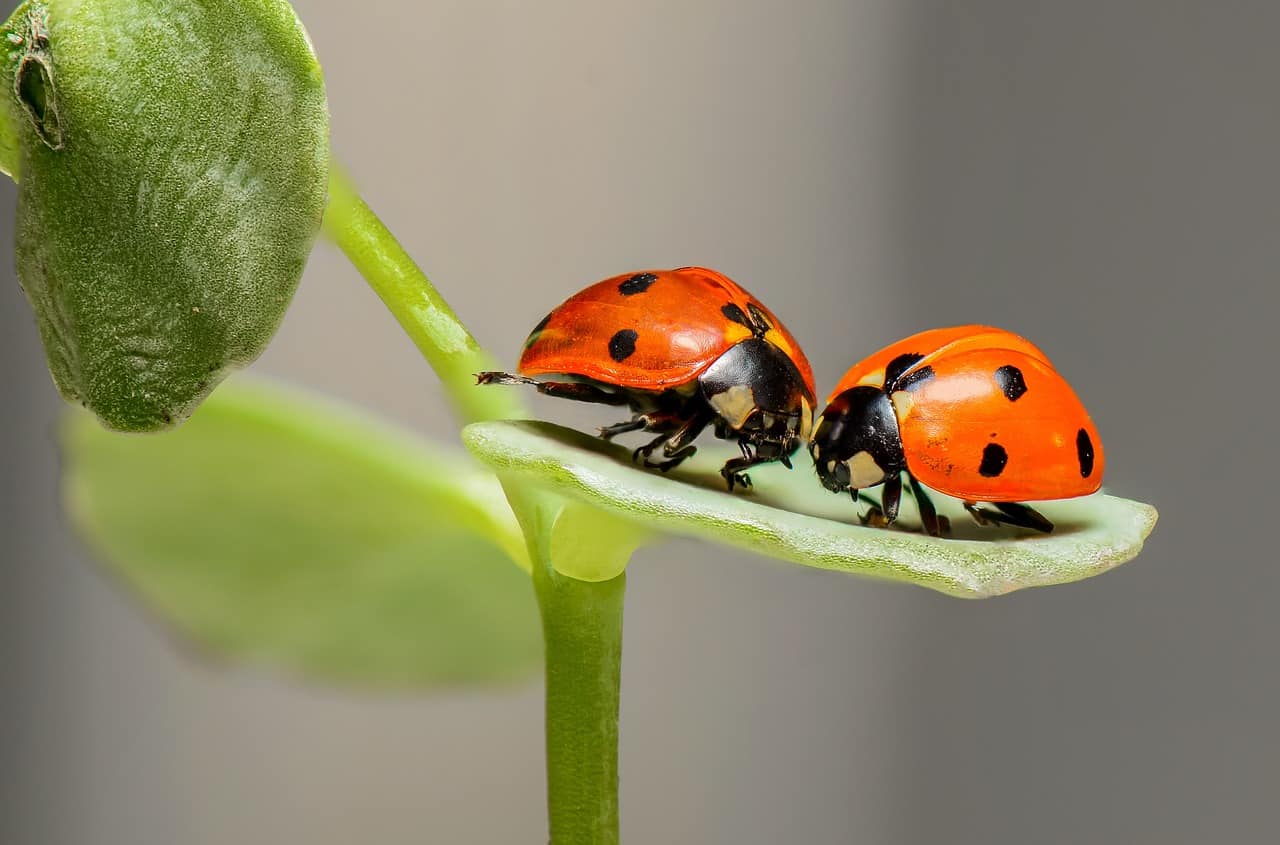
Photo: Pixabay/RonBerg 
Share
Twitter Facebook LinkedIn WhatsApp Email Copy Link

Photo: Pixabay/RonBerg 

At least a trillion insects are killed annually for food and animal feed. Routine slaughter methods include extreme heat and cold, often preceded by starvation. By comparison, “only” around 79 billion mammals and bird livestock are slaughtered every year.

Scholars have long recognised that the survival value of pain means many animals experience it, supposedly with the exception of insects. But we surveyed more than 300 scientific studies and found evidence that at least some insects feel pain. Other insects, meanwhile, haven’t been studied in enough detail yet.

We also carried out our own study into bumblebees’ response to potentially harmful stimuli. The way they reacted to the stimuli was similar to pain responses in humans and other animals we accept feel pain.

Pesticides kill trillions more wild insects every year. The actual cause of death is often paralysis, asphyxiation, or dissolving the internal organs, sometimes over several days.

If insects feel pain, insect farming and pest control would cause mass suffering. Yet animal welfare debates and laws almost universally ignore insects. One reason is that, historically, insects were often viewed as too simple with too short a lifespan. But evidence that insects feel pain is accumulating.

The question of whether insects feel pain is hard to answer. Pain is an inherently private experience. The difficulty of diagnosing pain when the being in question can’t talk is illustrated by the relatively recent treatment of babies during surgery.

As recently as the 1980s, many surgeons believed babies could not feel pain and rarely used anaesthetics because they thought babies’ obvious responses, such as screaming and writhing, were “just reflexes”. Even though we still do not have proof babies feel pain, most now accept that they do with near certainty.

For any being that cannot directly communicate its suffering, we need to rely on common sense and probability. The more pain indicators found, the higher the probability. It is important to use consistent criteria across animals, and to look for the same behavioural indicators of pain in insects as one would use in a cow or pet dog.

Pain in the brain

Most animals display “nociception” – the processing of harmful stimuli which can result in reflex-like responses. Scientists have long known that insects display nociception. However, if an animal detects potentially damaging stimuli, it is not necessarily an indicator of “ouch-like” pain that in humans is generated in the brain. Both nociception and pain can happen, to some extent, independently of each other.

In a recent study, we discovered bumblebee responses to heat depend on other motivations. We gave bumblebees four feeders: two heated and two unheated. Each feeder dispensed sugar water, which bumblebees love.
photo: Pixabay/Virvoreanu-Laurentiu

When every feeder had the same concentration of sugar water, bees avoided the two heated feeders. But when the heated feeders dispensed sweeter sugar water than the unheated feeders, bumblebees often chose the heated feeders. Their love of sugar outweighed their hatred of heat. This suggests bees feel pain, because (like humans) their responses are more than just reflexes.

Bees also remembered the heated and unheated feeders, and they used this memory to decide which to feed from. So, the trade-off happened in the brain.

Insect brains change their behavioural responses to harm in other ways. For example, hungry flies are less likely to jump away from extreme heat than satiated flies. Decapitated flies can still jump but they do not display this difference, demonstrating their brain’s involvement in heat avoidance. Communication between the brain and the responsive body part is also consistent with pain.

Other pain indicators

The framework we used to evaluate evidence for pain in different insects was the one that recently led the UK government to recognise pain in two other major invertebrate groups, decapod crustaceans (including crabs, lobsters, and prawns) and cephalopods (including octopuses and squid), by including them in the Animal Welfare (Sentience) Act 2022. The framework has eight criteria, which assess whether an animal’s nervous system can support pain (such as brain-body communication), and whether its behaviour indicates pain (like motivational trade-offs).

Flies and cockroaches satisfy six of the criteria. According to the framework, this amounts to “strong evidence” for pain. Despite weaker evidence in other insects, many still show “substantial evidence” for pain. Bees, wasps, and ants fulfil four criteria, while butterflies, moths, crickets, and grasshoppers fulfil three.

Beetles, the largest group of insects, only satisfy two criteria. But, like other insects that received low scores, there are very few studies on beetles in this context. We found no evidence of any insect failing all the criteria.

Our findings matter because the evidence for pain in insects is roughly equivalent to evidence for pain in other animals which are already protected under UK law. Octopuses, for example, show very strong evidence for pain (seven criteria).

In response, the UK government included both octopuses and crabs in the Animal Welfare (Sentience) Act 2022, legally recognising their capacity for pain.

The UK government set a precedent: strong evidence of pain warrants legal protection. At least some insects meet this standard, so it is time to shield them. For starters, we recommend including insects under the Animal Welfare (Sentience) Act 2022, which would legally acknowledge their capacity to feel pain. But this law only requires the government to consider their welfare when drafting future legislation.

If we want to regulate practices such as farming and scientific research, the government needs to extend existing laws. For example, the Animal Welfare Act 2006, which makes it an offence to cause “unnecessary suffering” to animals covered by the act. This may lead to insect farms, like conventional farms, minimising animal suffering and using humane slaughter methods.

The Animals (Scientific Procedures) Act 1986 regulates the use of protected animals in any experimental or other scientific procedure that may cause pain, suffering, distress or lasting harm to the animal. Protecting insects under this act, as octopuses already are, would regulate insect research, reducing the number of insects tested and ensuring that experiments have a strong scientific rationale.

Finally, pesticides are a huge welfare concern for wild insects. We recommend developing more humane pesticides, which kill insects faster and minimise their suffering.

This article was written by Matilda Gibbons, a PhD candidate in behavioural neuroscience at Queen Mary University of London; Andrew Crump, a postdoctoral research officer at the London School of Economics and Political Science; and Lars Chittka, a professor of sensory and behavioural ecology at Queen Mary University of London. It is republished from The Conversation under a Creative Commons license. Read the original article.

Subscribe to Our Newsletter

News, investigations, and analysis — our top stories every morning to start your day right.

Biodiversity Wildlife
Follow on Google News Follow on X (Twitter)
Share. Facebook Twitter LinkedIn Telegram WhatsApp Email Copy Link
Previous ArticleA new method can rid drinking water of toxic ‘forever chemicals’
Next Article A hardier coffee plant could save yields worldwide from climate change
Eirwen Williams
  • X (Twitter)

Eirwen Williams is a New York-based journalist at Sustainability Times, covering science, climate policy, sustainable innovation, and environmental justice. With a background in journalism acquired through a specialized program in New York, he explores how cities adapt to a warming world. With a focus on people-powered change, his stories spotlight the intersection of activism, policy, and green technology. Contact : eirwen.williams@sustainability-times.com

Keep Reading

Viktor Genkulov on the cost of digitalizing the maritime industry and when it will start to pay off

Luanda Declaration charts inclusive African blue economy rooted in conservation and prosperity

explore how sustainable forestry practices positively affect ecosystems by promoting biodiversity, improving soil health, and supporting long-term environmental balance.

The impact of sustainable forestry on ecosystems

Add A Comment

Comments are closed.

Subscribe to Our Newsletter

News, investigations, and analysis — our top stories every morning to start your day right.

Trending
discover how plant-based diets promote sustainability by reducing environmental impact, conserving resources, and supporting eco-friendly food choices.
How plant-based diets contribute to sustainability
Viktor Genkulov on the cost of digitalizing the maritime industry and when it will start to pay off
Luanda Declaration charts inclusive African blue economy rooted in conservation and prosperity
News by category
  • Featured
  • Cities
  • Climate
  • Energy
  • Impact
  • Markets
  • Opinions
  • Policy
  • Reports
  • Research
Information
  • About Us
  • Meet the Team
  • Advertise
  • Contact Us
  • Legal Mentions
  • Privacy Policy

Subscribe to Our Newsletter

News, investigations, and analysis — our top stories every morning to start your day right.

Facebook X (Twitter) LinkedIn YouTube TikTok
© Sustainability-Times.com. All rights reserved.

Type above and press Enter to search. Press Esc to cancel.