




| IN A NUTSHELL |
|
In the remote cloud forests of Peru, a remarkable discovery has emerged, shedding light on the rich biodiversity of this largely unexplored region. Researchers, while investigating an archaeological site in the Peruvian Andes, have uncovered a new species of marsupial. Named Marmosa chachapoya, this tiny creature is a mouse opossum that has captivated scientists with its unique characteristics. This discovery not only highlights the ecological significance of the cloud forests but also underscores the importance of continued scientific exploration in these remote areas.
A Surprising Discovery in the Andes
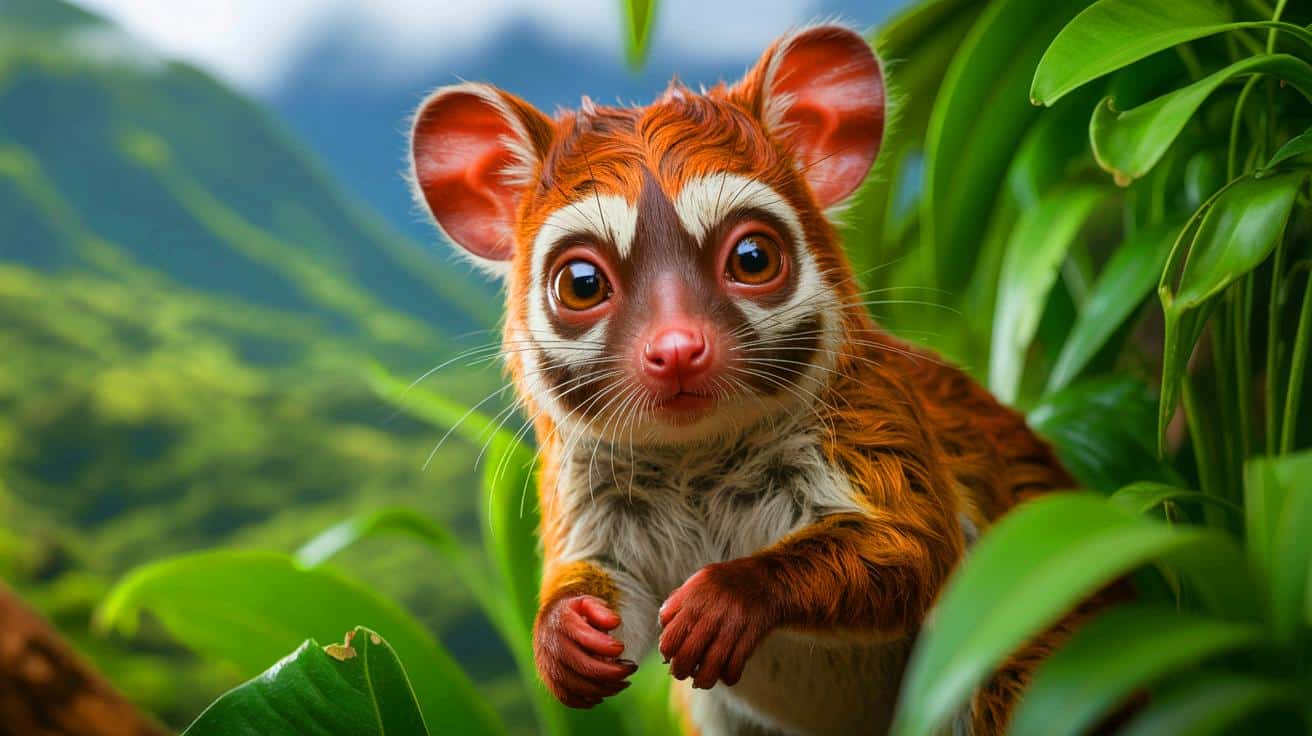
In 2018, a team of researchers led by Silvia Pavan from Cal Poly Humboldt ventured into Peru’s Río Abiseo National Park with the intent of studying a mysterious squirrel species. However, what they found exceeded their expectations: a new species of marsupial. The Marmosa chachapoya is a small, big-eyed creature with reddish-brown fur and distinctive mask-like face markings. At just four inches in length, this marsupial defied the odds by thriving at an altitude of 8,740 feet, a height unusual for its relatives.
Pavan and her team were immediately struck by the uniqueness of their find. The discovery took place in a region associated with the ancient Chachapoya people, known as the “people of the cloud forest.” This area is characterized by its damp, rugged terrain—a challenging environment that the marsupial has adapted to over time. Such discoveries emphasize the need for continued exploration in these less-traveled areas, where much remains to be uncovered about both the natural world and the ancient cultures that once inhabited it.
Unraveling the Mystery
The journey to officially identify Marmosa chachapoya as a new species was a meticulous process. Researchers dedicated years to studying its DNA and physical traits, comparing them with data from other mouse opossums held in museum collections globally. These efforts culminated in the publication of their findings in the journal American Museum Novitates in June. The name Marmosa chachapoya pays homage to the Chachapoya people, who lived in the region from around A.D. 800 until the Inca Empire's expansion in the 1470s.
The Chachapoya constructed their homes on mountain summits and were adept at navigating the demanding environment. Similarly, the newly discovered marsupial's survival in such a challenging habitat speaks volumes about its adaptability and resilience. This discovery also highlights the critical role of scientific research in uncovering the hidden diversity of life within these remote ecosystems.
The Significance of Río Abiseo National Park
Río Abiseo National Park, where the marsupial was discovered, is not only an archaeological treasure trove but also a vital conservation area. It is home to more than three dozen archaeological sites linked to the Chachapoya and later civilizations. Furthermore, the park serves as a sanctuary for numerous plant and animal species, some of which are found nowhere else on Earth, like the yellow-tailed woolly monkey, once thought extinct.
The conservation efforts in the park underscore the importance of preserving these unique ecosystems. The discovery of Marmosa chachapoya and potentially other undocumented species reinforces the need to protect these areas from environmental threats. Such endeavors are essential to maintaining the ecological balance and ensuring that future generations can continue to learn from and appreciate these natural wonders.
New Horizons in Biological Exploration
The discovery of Marmosa chachapoya is a potent reminder of the untapped potential that lies within the world's remote regions. Pavan and her team believe there are several other animals within the park that have yet to be formally described by scientists, including a semiaquatic rodent. These findings highlight the critical importance of scientific exploration and conservation in regions like Río Abiseo.
As researchers continue to uncover new species, they contribute invaluable knowledge to the scientific community and the world at large. Each discovery adds a piece to the puzzle of Earth's biodiversity, offering insights into how species adapt and thrive in varied environments. Such research is vital for developing strategies to conserve these ecosystems amid growing environmental challenges.
The discovery of Marmosa chachapoya in Peru's cloud forests opens new avenues for research and conservation efforts. As scientists continue to explore these remote areas, what other secrets of biodiversity and history might they uncover? The possibilities seem boundless, inviting further inquiry into the mysteries that the natural world holds.



Wow, a “living teddy bear”! 🧸 Nature never ceases to amaze me!
Wow, living teddy bears? Nature never ceases to amaze! 🐻
Isn’t it incredible how much we still have to discover in our world?
Are there any photographs of the Marmosa chachapoya? I’d love to see them!
How do scientists determine that a species is new? 🧐
How can a marsupial thrive at such high altitudes? That’s incredible! 😲
Thank you for sharing this! It’s fascinating to learn about new species.
Is it just me, or does “Marmosa chachapoya” sound like a fancy coffee blend? ☕️
Can we adopt one of these living teddy bears? Asking for a friend. 😂
What measures are in place to protect the Marmosa chachapoya?
Thank you to the scientists for their dedication to uncovering nature’s secrets. 🙏
The Chachapoya people sound interesting—more articles on them, please!
This discovery highlights the importance of preserving cloud forests. When will more efforts be made to protect these vital ecosystems?
Why are cloud forests important for biodiversity?