

Close Menu
  • Last News
    • Cities
    • Climate
    • Energy
    • Impact
    • Markets
    • Opinions
    • Policy
    • Reports
    • Research
  • About Us
  • Advertise
  • Contact Us

Subscribe to Our Newsletter

News, investigations, and analysis — our top stories every morning to start your day right.

Trending
learn effective methods to measure your personal sustainability impact and make mindful choices for a greener future.
How to measure your personal sustainability impact
explore the growth of sustainable investments and green finance, highlighting their impact on the global economy and the shift towards environmentally responsible financial practices.
The rise of sustainable investments and green finance
Region Trade Bank Strengthens Governance as Sustainable Finance Places Greater Emphasis on Institutional Integrity
Facebook X (Twitter) LinkedIn YouTube TikTok
Sustainability Times
Facebook X (Twitter) LinkedIn YouTube TikTok
Subscribe
  • Featured
  • Cities

    The Hidden Carbon Cost of Construction Projects (And Why Better Planning Matters More Than You Think)

    05/13/2026
    explore the future of sustainability in urban development, focusing on innovative strategies and technologies shaping eco-friendly and resilient cities.

    The future of sustainability in urban development

    02/24/2026
    Illustration of a vertical farm in Beijing showcasing sustainable urban agriculture practices.

    “China Just Built Farm Skyscraper”: Beijing Greenhouse Grows Food In 37,673 Square Feet While Solar Panels Power Vertical Agriculture Revolution

    09/30/2025
    Illustration of Trojena Ski Resort's futuristic design in the Saudi Arabian desert.

    “We’re Building Winter Olympics in Pure Desert”: Saudi Arabia’s Trojena Ski Resort Hosts 2029 Asian Games Without Natural Snow

    09/09/2025
    Illustration of the historic Kiruna Church being relocated on self-propelled transporters to its new site in Sweden.

    “Sweden Moved a 700-Ton Church”: Historic Kiruna Building Traveled 3.1 Miles on Robot Transporters While King Watched the Journey

    09/03/2025
  • Climate

    The Hidden Carbon Cost of Construction Projects (And Why Better Planning Matters More Than You Think)

    05/13/2026
    explore the vital link between sustainability and climate change, understanding how sustainable practices can help mitigate environmental impact and promote a healthier planet.

    The connection between sustainability and climate change

    04/07/2026

    How to Turn ESG Commitments into Real Results in Oil & Gas: Mikhail Zubkov on Implementing Practical Solutions

    02/24/2026

    Sustainability in Action—How Straight Six Auto Parts Is Revolutionising Automotive Recycling

    01/05/2026
    Illustration of glaciers retreating due to rising global temperatures.

    New Forecast Reveals When Thousands of Glaciers Will Disappear, Highlighting Urgent Need for Climate Action

    12/20/2025
  • Energy

    How bio-LNG is transforming the maritime sector

    06/29/2026
    explore how technology is accelerating sustainability innovations, driving eco-friendly solutions and creating a greener future for our planet.

    How technology is driving sustainability innovations

    03/24/2026

    How to Turn ESG Commitments into Real Results in Oil & Gas: Mikhail Zubkov on Implementing Practical Solutions

    02/24/2026
    explore the vital role of renewable energy in promoting sustainability and reducing environmental impact for a greener future.

    The role of renewable energy in achieving sustainability

    01/27/2026

    How Ilnar Iakhin’s Practical Field Innovations Are Reducing the Environmental Footprint of Gas Production

    12/19/2025
  • Impact
    learn effective methods to measure your personal sustainability impact and make mindful choices for a greener future.

    How to measure your personal sustainability impact

    07/14/2026

    Region Trade Bank Strengthens Governance as Sustainable Finance Places Greater Emphasis on Institutional Integrity

    06/30/2026
    explore sustainable packaging options designed to reduce environmental impact and promote eco-friendly practices for a greener future.

    Sustainable packaging options to reduce environmental impact

    06/30/2026
    explore how circular economy models promote sustainability by reducing waste, conserving resources, and fostering eco-friendly innovation.

    How circular economy models support sustainability

    06/23/2026
    discover practical tips and actions individuals can take at home to support sustainability and contribute to a greener planet.

    What individuals can do to support sustainability at home

    06/09/2026
  • Markets
    explore the growth of sustainable investments and green finance, highlighting their impact on the global economy and the shift towards environmentally responsible financial practices.

    The rise of sustainable investments and green finance

    07/07/2026
    Switzerland’s regulated online gambling ecosystem is built on strict licensing rules, ensuring that only ESBK-approved casinos tied to land-based establishments can legally operate.

    Are Online Casinos Legal in Switzerland? Understanding the Current Regulatory Framework

    11/21/2025
    Illustration of the abrupt halt of a major lithium mine in China impacting global markets.

    “One Mine Shut Down and Prices Exploded”: CATL Halts Major Chinese Lithium Operation Sending Global Markets Into Chaos

    09/11/2025
    Illustration of the massive iron ore deposit discovered in the Pilbara region of Western Australia.

    Geologists Iron Find Worth $6 Trillion Sparks Geopolitical Firestorm As US-China Trade Rivalry Reaches Unprecedented Flashpoint

    08/24/2025
    Illustration of a colossal 55 billion-ton iron ore deposit discovery in Western Australia. Image generated by AI.

    Worldwide Panic as Monumental Geological Find Disrupts Global Trade and Triggers Market Turmoil on Every Continent

    06/04/2025
  • Opinions
    discover the essentials of sustainability and corporate social responsibility, exploring their impact on businesses and society for a better future.

    Sustainability and corporate social responsibility explained

    04/21/2026

    The Hidden Risks of Nepotism and Conflicts of Interest in Corporate Governance

    03/19/2026

    Sustainability, Family Offices, and Private Equity: A Powerful Alignment for Long-Term Impact

    08/05/2025

    Preserving Heritage While Innovating: How AI is Reshaping Design for a Sustainable Future

    07/23/2025

    Factories Without Real-Time Carbon Data Are Flying Blind: Why MES Must Become the Carbon Control Tower

    07/23/2025
  • Policy
    explore the crucial role of governments in advancing sustainability policies to protect the environment, promote social equity, and ensure economic growth for future generations.

    Role of governments in promoting sustainability policies

    06/16/2026
    explore effective strategies to promote sustainability through education, empowering communities to adopt eco-friendly practices and foster environmental awareness.

    Ways to promote sustainability through education

    03/10/2026
    Illustration of the NUMO Ground Robot Deployed by Ukraine for Military Operations.

    “It’s Doing the Dangerous Work for Us”: This Ukrainian Combat Robot Redefines the Battlefield (and It’s Already Saving Soldiers’ Lives)

    10/15/2025
    Illustration of NATO aircraft participating in the Steadfast Noon nuclear deterrence exercise.

    “You Can Feel the Tension in the Air”: This NATO Nuclear Exercise Sparks Unease Across Europe (and Leaders Call It ‘Routine’)

    10/15/2025
    Illustration of China's newly constructed underground military command center near Beijing.

    “Analysts Warn of Escalation”: Satellite Images Expose China Building World’s Largest Underground Military Command Hub To Counter US Power And Regional Rivals

    10/03/2025
  • Reports
    explore the latest trends and innovative solutions driving sustainability in the food industry, from eco-friendly practices to cutting-edge technologies reshaping the future of food production.

    Sustainability in the food industry: trends and solutions

    06/02/2026

    New Study Finds Drip Irrigation Can Cut Coffee’s Carbon Footprint by Nearly 60%

    05/13/2026
    explore the top sustainable development goals to prioritize in 2026 and learn how to make a meaningful impact towards a greener, more equitable future.

    Top sustainable development goals to focus on in 2026

    04/28/2026

    MFC Asset Management Steps Up Its ESG Agenda

    09/24/2025
    Illustration of naval aviators in training during the Top Gun program.

    “We Push Them Until They Break”: Top Gun Training Forces Pilots Through 7.5 Gs While National Geographic Films

    09/21/2025
  • Research
    Illustration of ancient marine super predators dominating the complex food chains of the Cretaceous period.

    Ancient Super Predators Ruled Oceans: New Discoveries Challenge Our Understanding of Marine Life’s Evolutionary Past

    12/20/2025

    How Ilnar Iakhin’s Practical Field Innovations Are Reducing the Environmental Footprint of Gas Production

    12/19/2025
    Illustration of the body's distinct molecular systems for detecting cold on the skin and internally.

    Your Body’s Cold Sensations: Revealing the Dual Ways Temperature Affects Us and What It Means for Comfort

    12/19/2025
    Illustration of the digital reconstruction of a 1.5-million-year-old Homo erectus face from the DAN5 fossil.

    Scientists Reveal 1.5-Million-Year-Old Human Face, Unveiling New Clues to Our Ancient Ancestry

    12/18/2025
    Illustration of ancient pottery featuring plant motifs reflecting early mathematical thinking.

    Ancient Art Reveals How Early Humans Used Math Concepts 8,000 Years Ago Without Numbers

    12/18/2025
Sustainability Times
Home - Impact - We’ll need to put a price on a liveable climate

We’ll need to put a price on a liveable climate

Rosemary PotterRosemary Potter11/28/20180
Share Twitter Facebook LinkedIn Telegram WhatsApp Email Copy Link
Follow Us
Google News
The price of a livable climate: economists know better? Image credit: Christine Roy via Unsplash
Share
Twitter Facebook LinkedIn WhatsApp Email Copy Link

How much would you pay to ensure a stable climate in the future? Should we tax coal use to help renewables spread faster? And what is the cost of not acting today for the generations to come?

Questions like these are crucial to climate policies and economists who often guide government choices have all sorts of opinions on the issue. Those opinions are not pure science, however, but may be based on values people hold, the logic of markets and government priorities. Thus, if you are worried about the future of the climate, it is well worth understanding the connection between values, economics and climate actions.

The contemporary economics of climate action

Imagine that your phone will break in a year and repairing it will cost €100. How much would you pay if you could prevent the damage? From an economic standpoint, it is good to think of other ways you could use €100; for example by depositing them to your bank account under a 5% interest rate. In this case you’ll have €105 and it would only make sense to pay €95 or less now to prevent the damage.

The same approach is used for all types of investment decisions, not least climate action. For example, if climate change would lead to €100 billion in losses in 50 years, which is a period over which today’s emissions will start making most of their impact, at a regular discount rate of 3% you would invest no more than €22.8 billion. That’s still a lot of money, but is it enough?

(photo: Flickr)

Economists actively discuss effectiveness of different discount rates, usually arriving at some estimation that further informs real economic choices: for example the value of the carbon tax or the share of country’s GDP devoted to climate action. Orthodox economists usually suggest discount rates around 3-5%, while more ecologically inclined ones tend to go between 0% and 2.5%, arguing that the costs of inaction will be much worse than the cost of acting today.

And though discussions on the proper rate are quite fervent, the approach as such is considered a gold standard for investment decisions on protecting the climate while not wasting a penny. William Nordhaus even got a Nobel this year for work in this realm.

Meanwhile, this doesn’t tell the whole story.

Imagine a different situation. What if you were told that your dog, Buddy, might die in a year because of a spreading disease if you don’t vaccinate him now? It would cost €50 to buy the vaccine. But, no need to worry, a new dog of the same breed would cost you only €20. Which price would you choose to pay? Would you calculate if it’s economically viable to save your dog? Would you abandon the whole idea of having the dog because it leads to uncomfortable decisions? Or, maybe, would you be ready to pay even more, way more, if needed, for saving Buddy and even feel offended that I suggested to trade his life?

It actually works exactly the same way for the climate and our planet. However, this time it is the only planet we have and it is about the lives and homes of millions of people, hundreds of vanished species and destroyed ecosystems, which, of course, might feel much less personal than Buddy, whom you have known for years. For the cases like this, it is sustainability scientists and climate activists who feel unsettled due to irreversible damage and planetary threats of unstable climate. What price would you put on that?

Many still would put a price on it and do so on a regular basis. Sometimes it helps to get more money invested into solar energy or low-carbon transport. But sometimes it leads to the slowing down of climate action and luckily there are other ways to approach the issue.

Climate-friendly economics is possible

Among the most promising approaches are positive discounting rates, outcompeting the dirty economy with sustainable solutions and, finally, rethinking the economic benefits of growth as such.

The positive discounting rate basically means that we should now pay even more to avert the damage in the future. And while for many economists this might sound like nonsense, there are some good reasons to consider the idea. For example, in health economics it is well known that people would willingly pay more to ensure better health now and into the future rather than hoping that future medicines will help them get better at a lower price.

And how different is the health of our living environment compared to the health of our body, especially when they are tightly intertwined?

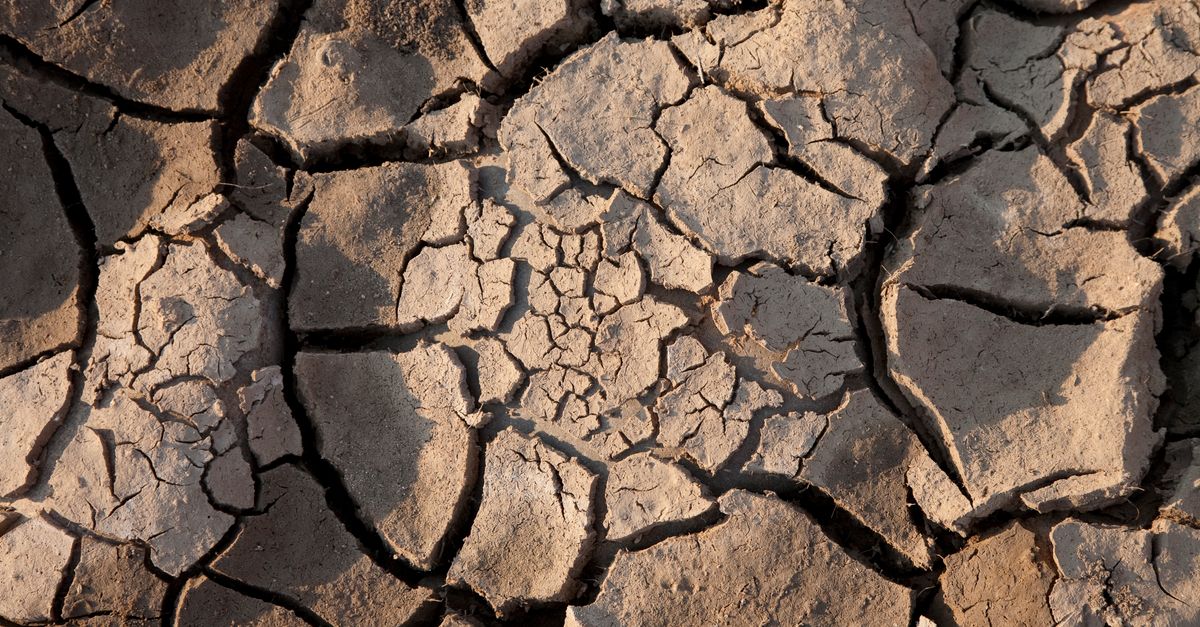
Meanwhile, future generations might happen to live in much worse climates and have less money because of increased droughts and extreme weather event, thereby valuing good climates much higher than we currently do. And as some of them will have more money, others will become even more vulnerable because of higher inequality, going hand-in-hand with unchecked economic growth.

You don’t need to go far to see the consequences of inaction, as a company called Aethaer is already successfully selling fresh air from England to polluted regions of China for $215 per liter. This is the price some people are ready to pay since previous generations had different priorities on their mind and polluted the country’s air without a thought for the future. And while consumption in many other countries is directly linked to air pollution in China, it may still sound surprising to us that air might even have a price.

The next argument comes from Gunter Pauli, founder of the blue economy concept. His idea is simple yet effective: don’t wait for the rules of the game to change, but use sustainable and competitive solutions to get the dirty industry out of the market. And this is not simply wishful thinking. Pauli himself presented over a hundred solutions from all over the world in his famous Blue Economy report for the Club of Rome.

A vivid example is the price of solar compared to fossil fuels, dropping down with the speed of a waterfall and exemplifying how human dedication to innovation influences the logic of markets. The idea has also become a cornerstone of the circular economy, which is increasingly regarded for its win-win impacts on both climate and society. For urban-areas effective climate action has also been linked to nature-based options like green roofs and expansion of green areas. From an economic standpoint these are considered no-regret solutions, since while positively impacting the climate they also provide immense social benefits.

(photo: Flickr)

Still, the question remains whether the adoption of renewables and other climate-friendly solutions will be fast enough to achieve the Paris goals of keeping global warming within manageable limits. Many of the future scenarios suggest that we might not succeed because of how our economy develops and this suggests digging deeper into the very idea of growth. 

While discounting theory is based on the presumption that economic growth is always good, there is a growing tribe of economists stating that things like income or consumption provide very limited answers to human wellbeing. We can not value economic outcomes only for the numbers they hold and above certain thresholds GDP growth may lead to making much of Earth simply uninhabitable. This has profound implications for lowering the impacts of the economy on climate and you discover more on this from concepts like degrowth, which suggests that degrowing our economy in some areas might be good for nature and society alike.

While it is unlikely that the way economists make their estimates or the way system functions will change overnight, there are still things you can influence to change the course of action for better. 

Key takeaways for a thriving climate

First, when it comes to the climate, ethics should go before money. We can’t value life the same way we value consumption. And the practical way to go about it is to commit to a livable climate prior to any economic considerations. Sometimes, it even makes sense to consider negative discount rates, at best combined with multiple criteria to guide decisions, and not only economic ones.

Second, learn about the worst possible local impacts of climate change in the next few decades and use them as a baseline for action. Check if your municipality has planned sufficient mitigation and adaptation measures and get them to consider the threats seriously and do as much as possible, prererably focusing on nature-based solutions.

Also, no matter how fast we transition towards renewables or how well we plan for climate change, it will also always depend on social norms and personal choices that comprise our daily lives. Get to know you family’s impact on climate and think of what you can do to achieve the best outcomes with the least effort. As you commit to sustainable choices and put your values first, standard market economics will have far less impacts on your life.

Finally, think how to spread the transition. Start talking with your community and acquire the knowledge and resources you can utilise togother to adapt locally. And as each of us takes personal and social responsibility of engaging into climate action, all of us together will have a much better chance of creating a sustainable and thriving Earth.

Subscribe to Our Newsletter

News, investigations, and analysis — our top stories every morning to start your day right.

Climate Change CO2-Emissions
Follow on Google News Follow on X (Twitter)
Share. Facebook Twitter LinkedIn Telegram WhatsApp Email Copy Link
Previous ArticlePesticides have accumulated in European soil
Next Article Chicago is as hot as Las Vegas: U.S. climate report demands action
Rosemary Potter
  • X (Twitter)

Rosemary Potter is a Chicago-based journalist for Sustainability Times, covering global sustainability challenges, environmental policy, science, business, and climate resilience. Trained in journalism in the U.S., she blends investigative depth with a global perspective. Her reporting amplifies voices driving change across borders, industries, and ecosystems. Contact: [email protected]

Keep Reading
learn effective methods to measure your personal sustainability impact and make mindful choices for a greener future.

How to measure your personal sustainability impact

Region Trade Bank Strengthens Governance as Sustainable Finance Places Greater Emphasis on Institutional Integrity

explore sustainable packaging options designed to reduce environmental impact and promote eco-friendly practices for a greener future.

Sustainable packaging options to reduce environmental impact

Add A Comment

Comments are closed.

Subscribe to Our Newsletter

News, investigations, and analysis — our top stories every morning to start your day right.

Trending
learn effective methods to measure your personal sustainability impact and make mindful choices for a greener future.
How to measure your personal sustainability impact
explore the growth of sustainable investments and green finance, highlighting their impact on the global economy and the shift towards environmentally responsible financial practices.
The rise of sustainable investments and green finance
Region Trade Bank Strengthens Governance as Sustainable Finance Places Greater Emphasis on Institutional Integrity
News by category
  • Featured
  • Cities
  • Climate
  • Energy
  • Impact
  • Markets
  • Opinions
  • Policy
  • Reports
  • Research
Information
  • About Us
  • Meet the Team
  • Advertise
  • Contact Us
  • Legal Mentions
  • Privacy Policy

Subscribe to Our Newsletter

News, investigations, and analysis — our top stories every morning to start your day right.

Facebook X (Twitter) LinkedIn YouTube TikTok
© Sustainability-Times.com. All rights reserved.

Type above and press Enter to search. Press Esc to cancel.