




| IN A NUTSHELL |
|
The dawn of a new era in shipping has arrived with the introduction of the Blue Marlin, the first inland vessel capable of harnessing solar power for propulsion. This groundbreaking achievement is a testament to the promise of sustainable technology, offering a cleaner, more efficient alternative to traditional shipping methods. By directly integrating solar energy into its drivetrain, the Blue Marlin represents a significant step forward in reducing carbon emissions and advancing clean propulsion technology.
Powering Progress through Partnership
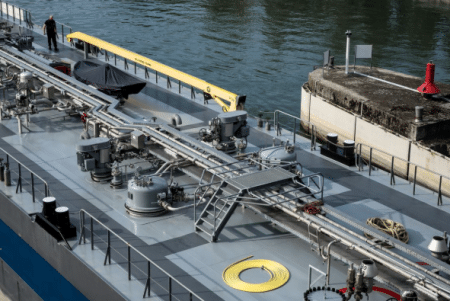
At the heart of the Blue Marlin’s innovation is the collaboration between Dutch solar pioneer Wattlab and German shipping titan HGK Shipping. Measuring an impressive 282 feet in length, this vessel is specifically designed for shallow-water operations, thanks to its modest draft of just 3.61 feet. The Blue Marlin’s construction is a triumph of engineering, featuring twin Veth rudder propellers, a bow thruster, and a modular design that allows it to connect with push barges, enabling it to handle cargo loads of up to 3,110 tons.
Florian Bleikamp, managing director of HGK Dry Shipping, highlighted the significance of this partnership. He emphasized that the collaboration with Salzgitter AG has paved the way for innovative developments in inland shipping. According to Bleikamp, the Blue Marlin is a powerful symbol of what industry and logistics can achieve together, integrating emission-free solar technology, remote-controlled navigation, and resource-saving propulsion systems.
Cleaner, Smarter Cargo Transport
The Blue Marlin isn’t just a vessel; it’s a beacon of sustainability. Its automated energy management system ensures that power is distributed precisely where and when needed, maximizing efficiency and minimizing fuel consumption. This system is expected to reduce CO2 emissions by up to 79,366 pounds annually. Fabian Gerdes, head of customer logistics at Salzgitter Flachstahl, underscored the vessel’s role in supporting climate-friendly transport of steel products and bulk materials, aligning perfectly with the company’s sustainability goals.

Moreover, the Blue Marlin builds on the success of the MS Helios, another HGK vessel with Wattlab solar panels. While Helios uses solar energy for low-voltage onboard systems, the Blue Marlin takes it further with full propulsion integration, earning it the prestigious Gold Green Award for sustainable vessel design.
A Technological Marvel
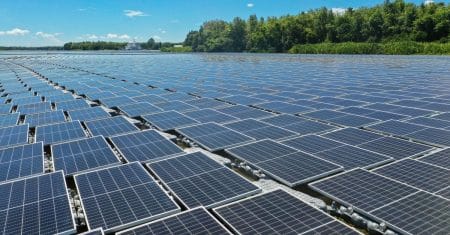
The Blue Marlin features an array of 192 solar panels capable of generating up to 37,500 kilowatt-hours annually. This solar setup works in tandem with four diesel generators, enabling a technique known as ‘peak shaving’ to reduce power consumption during maximum demand periods. The vessel’s hybrid sailing capability ensures a seamless transition between solar and diesel power, optimizing performance and reducing environmental impact.

The vessel was expertly christened in Hamburg, marking a new chapter in inland shipping. It stands as a testament to the efficacy of technological innovation in addressing environmental challenges, demonstrating that shipping can be both efficient and eco-friendly.
The Future of Inland Shipping
The launch of the Blue Marlin represents a significant milestone in the decarbonization of inland waterway transport. By prioritizing sustainability, HGK Shipping and its partners are setting a new standard for the industry. The vessel’s advanced features, including SEAFAR technology for remote-controlled navigation, highlight the potential for automation and clean energy to revolutionize shipping.
As the world continues to grapple with the impacts of climate change, the Blue Marlin offers a glimpse into a future where shipping is both effective and environmentally conscious. Its success may inspire other sectors to explore similar innovations, paving the way for a more sustainable future.
The journey of the Blue Marlin is just beginning, and its impact on the shipping industry is yet to be fully realized. As we look to the future, one must ask: How will other industries follow in the footsteps of this pioneering venture to embrace sustainable innovation?

Wow, this is incredible! Are there any plans to expand this technology to larger ocean vessels? 🚢
Great job to the team behind the Blue Marlin! This is a huge step forward for sustainable shipping. 🌿
But what happens on cloudy days? Does it still run efficiently?
The future is bright, literally! Love seeing solar power being used in such innovative ways. ☀️
This is cool and all, but what’s the cost compared to regular ships?
So, is “Blue Marlin” the name of the ship or the fish? 😂
How long did it take to build the Blue Marlin?
Love seeing technology and nature work together. Kudos to Wattlab and HGK Shipping! 🌞
Can these solar panels withstand harsh weather conditions?
It’s great to see companies taking responsibility for reducing emissions. More of this please!
Why haven’t we done this sooner? Seems like a no-brainer if you ask me.
How much cargo can this ship carry compared to traditional ones?
Are there any plans to build more ships like the Blue Marlin?
Does the ship have any backup power sources if the solar panels fail? 🔋
Incredible innovation! Can’t wait to see the impact on CO2 reduction. 🌍
This is just the start. Imagine the possibilities if this tech gets mainstream!
Sounds expensive. Are there any government subsidies for such projects?
192 solar panels?? Wow, that’s a lot of sun-catching power! 🌞
What about maintenance costs? Are they higher or lower than conventional ships?
Absolutely love this! Shipping industry, take note. 🌱
Can’t wait to see this tech applied to passenger boats too! 🚤
Hope the ship doesn’t get “solarburned” 😆
How long before these ships become the norm, you think?
This is a fantastic step forward, but how do they handle night-time operations?
Are there specific rivers or regions where the Blue Marlin will operate?
Awesome! But can it beat the speed of traditional diesel ships?
I wonder how much training is needed for the crew to operate this tech?
Why 192 panels? Is that the optimal number for efficiency?
Such a brilliant idea! Hope more companies follow suit. 🌞
How does the ship manage energy storage for less sunny days?
Is there any risk of the panels getting damaged by birds or debris?
Great innovation! How long before we see this tech in other countries?
The Blue Marlin is a great name for such a groundbreaking ship! 🎣
Is this the future of shipping? Looks promising! 🌏