



| IN A NUTSHELL |
|
The growing surplus of retired electric vehicle (EV) batteries is becoming an urgent issue for California. As the state increases its adoption of renewable energy, it faces a critical decision: how to manage the influx of spent EV batteries. A recent study by a trans-Atlantic research team highlights a potential solution. Reusing these batteries as grid-connected storage before recycling could significantly reduce carbon emissions. This approach, however, demands a robust infrastructure and strategic planning to maximize environmental benefits. The study’s findings not only hold implications for California but also serve as a cautionary tale for energy policies across the United States.
Reuse Delivers the Bigger Climate Dividend
California’s plan to manage retired EV batteries could result in substantial carbon savings. The study reveals that if every retired battery is recycled immediately, it could cover 61% of the state’s cumulative EV battery demand by 2050. This would prevent approximately 48 million tons of carbon dioxide emissions. However, adopting a “second-use first” strategy could amplify these benefits.
By repurposing batteries for energy storage, California could avoid up to 56 million tons of carbon emissions. This approach leverages the existing functionality of aged batteries, avoiding the need to manufacture new lithium-ion units. Manufacturing from primary raw materials is carbon-intensive, making the reuse of existing packs a more sustainable option. Extending the life of these batteries defers the environmental impact of new manufacturing, maximizing carbon savings.
Oversupply Looms, Making Early Recycling Infrastructure Critical
Despite the environmental benefits of reuse, researchers warn of an impending oversupply of retired EV batteries. By mid-century, the quantity of spent batteries will exceed the state’s stationary storage needs. Even if all second-life packs are used, the demand will not match the supply. This scenario highlights the necessity of a well-developed recycling infrastructure.
Building large-scale recycling facilities is essential to handle the surplus efficiently. Delaying investment in these facilities could lead to bottlenecks, impeding the recovery of valuable materials like lithium, nickel, and cobalt. These materials are crucial for the production of next-generation EVs. Establishing comprehensive collection networks and efficient recycling processes will ensure a steady supply of these resources, supporting the growth of the EV industry.
Three Scenarios Illuminate Trade-Offs
The research team explored three scenarios to evaluate the potential outcomes. The baseline scenario represents the current state, where only 2.5% of retired batteries are reused. The recycling scenario focuses on 100% material recovery, while the second-use scenario prioritizes reuse until storage needs are satisfied annually.
Each scenario emphasizes the importance of recycling to close the loop on raw materials. However, the second-use strategy offers the most significant carbon savings while still contributing to future recycling streams. This approach allows batteries to provide additional service years, maximizing their utility before recycling.
Implications for U.S. Energy Policy
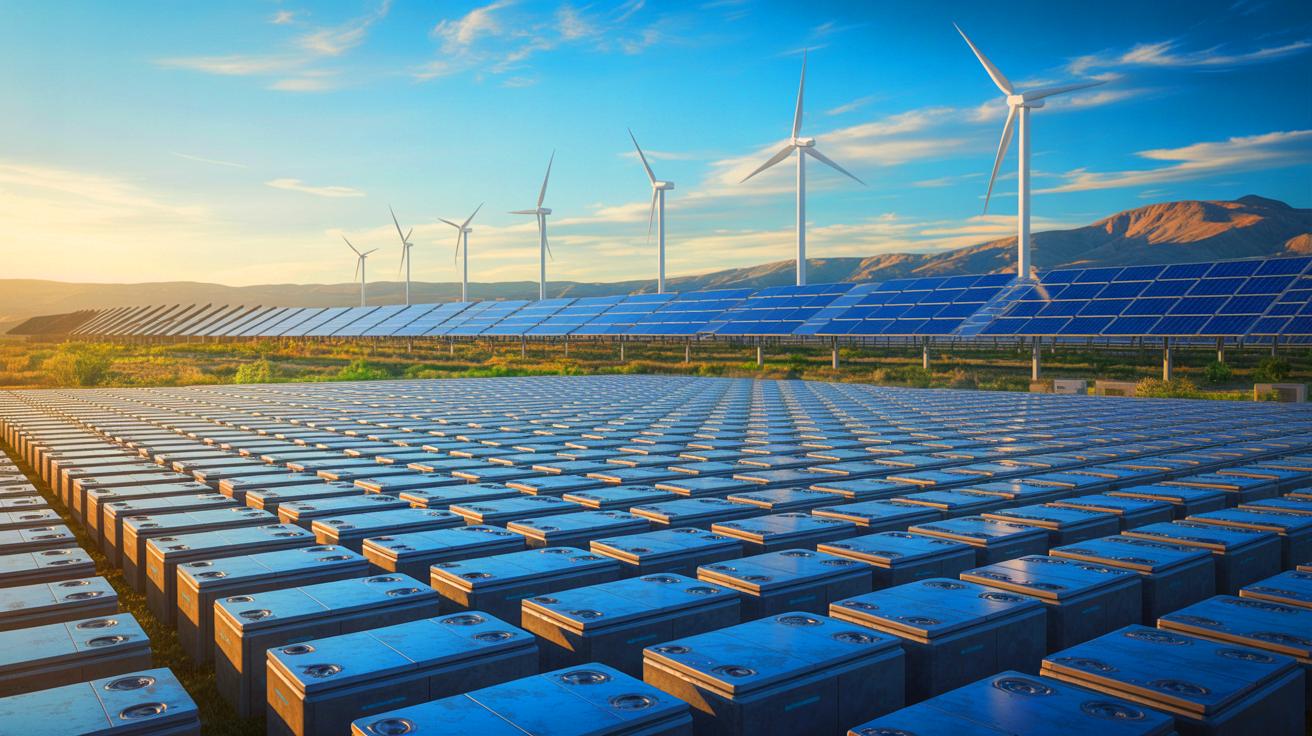
Although the study centers on California, its implications resonate nationwide. As federal incentives drive EV adoption and renewable energy growth, states with ambitious clean-energy goals can benefit from these findings. Pairing solar and wind farms with repurposed EV batteries can enhance climate gains.
Holistic, regional planning is crucial to realizing the full potential of a circular battery economy. By coordinating production, reuse, and recycling efforts, jurisdictions can strengthen supply-chain resilience, reduce reliance on mined materials, and achieve deeper emissions reductions. Early action will be key to securing these benefits and leading the transition to sustainable energy practices.
As California navigates the challenges of managing retired EV batteries, the rest of the nation observes closely. The decisions made today will shape the future of energy policy and environmental sustainability. How will states balance the need for immediate recycling with the potential benefits of battery reuse?


Why not just recycle all the batteries right away? 🤔
Cost as these same peoples parents wanted to ban paper and glass for the planet saving recyclable plastic.
Look how that went
This is a great initiative! Thanks for shedding light on this issue. 🌟
Interesting article, but I’m skeptical about the scalability of this approach. Can it really be applied nationwide?
I never thought about using retired EV batteries like this. Mind blown! 💥
Ŵhy not and then think who will guarantee then for your house.
In Europe they do this and to be checked and guaranteed for insurance it is more expensive
Reusing batteries sounds good, but won’t they degrade too much to be useful for storage?
California is always ahead when it comes to sustainability. Keep it up! 🌍
What are the potential downsides of reusing batteries before recycling?
Can this approach help reduce the cost of new EVs in the long run?
It’s amazing how much carbon emissions could be saved with this strategy. 😮
Why is there such a focus on California? Are other states not facing similar issues?
Great read! But how feasible is it to develop the necessary infrastructure in time?
Is anyone else concerned about the environmental impact of the recycling process itself?
Using retired EV batteries for storage is genius! But how reliable is this solution?
I’m curious, how do we ensure the safety of reused batteries in energy storage?
👏 Big applause for discussing an often overlooked topic!
With all these retired batteries, isn’t there a risk of them piling up before we can reuse or recycle them?
Wow, 56 million tons of carbon emissions saved is huge! Let’s make it happen! 🌱
This article makes a compelling case for second-use strategies. Thanks for sharing!
I’m still not convinced. What if the reused batteries fail prematurely?
How will this strategy affect the mining industry for lithium and cobalt?
Thanks for the article! Are there any pilot projects already underway?
Is the technology ready for large-scale battery reuse, or are we still in the early stages?
Great perspective, but what about the cost implications for consumers?
🤔 I wonder how this would impact the job market in the recycling sector.
I’m all for sustainability, but is the public even aware of these initiatives?
Is there any government policy supporting this second-use approach?
Thanks for the insights! What role do private companies play in this transition?
Can retired EV batteries be used in personal renewable energy systems at home? 🔋🏠