




| IN A NUTSHELL |
|
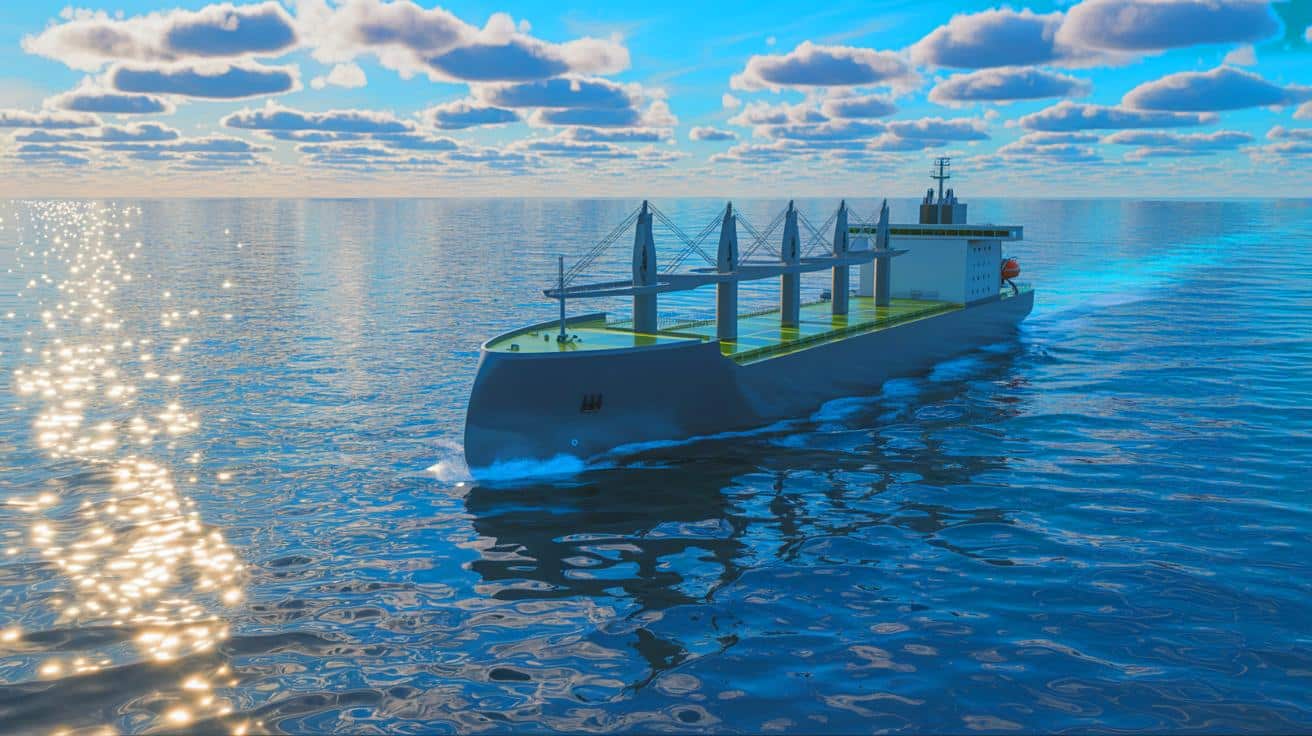
In an era where environmental sustainability has become a pressing global concern, innovative solutions for clean energy are more crucial than ever. One such groundbreaking initiative is the conversion of seawater into hydrogen fuel, a concept spearheaded by researchers at Brunel University of London and the company Genuine H2. This technology, which aims to revolutionize the maritime industry, is poised to significantly reduce carbon emissions from ships, yachts, and ferries. By harnessing the abundance of seawater and converting it into hydrogen gas, this method offers a promising alternative to traditional fuel sources, with the potential to transform the transportation sector and contribute to a more sustainable future.
Turning Water Into Power
Professor Xinyan Wang from Brunel University of London describes the innovative process as turning “water into power.” By utilizing renewable electricity, seawater is split to produce hydrogen gas, which is then stored onboard ships as a molecular solid. This stored hydrogen is burned in engines, replacing diesel and emitting only steam. This process not only eliminates CO2 emissions but also provides a cleaner, more sustainable energy source for maritime transport.
Genuine H2 claims that its circular plug-and-play technology can convert wastewater and seawater into green energy and pure water. The company’s electrolysis units are designed to be carbon-negative, extracting CO2 from water to create bicarbonates. These units are customizable to meet specific energy demands, offering a scalable solution with universal applications across various sectors, including mobility, infrastructure, and consumer industries.
The technology’s versatility is noteworthy, as it can fuel a wide range of transportation modes such as yachts, ships, ferries, airplanes, trains, cars, buses, and trucks. This adaptability could prove crucial in addressing the climate and energy crises currently facing the world.
Decarbonizing Sea Travel
The initiative to decarbonize sea travel recently received a significant boost in the form of a £1.44 million funding from the UK government’s Department for Transport’s UK SHORE initiative and Innovate UK. This funding is part of a broader £30 million effort to promote clean energy in waterways. The project, known as GH2DEM, aims to test Brunel’s heavy-duty hydrogen combustion engine, which will soon be installed on campus. The engine will be powered entirely by Genuine H2’s electrolyzer and storage system, creating a comprehensive hydrogen chain from seawater to storage to propulsion.
Genuine H2’s technology can also support the construction of a network of hydrogen refueling stations for both land and marine applications. This infrastructure could power urban environments, hospitals, remote farms, mining and construction sites, factories, high-rises, and offices, demonstrating the technology’s potential to integrate seamlessly into existing systems and enhance sustainability across various sectors.
Innovative Hydrogen Storage
The hydrogen engine system developed by Brunel University incorporates two key innovations. The first is the use of electrodes that can extract hydrogen directly from seawater, eliminating the need for costly desalination processes. This advancement significantly reduces the overall cost and complexity of hydrogen production.
The second innovation involves a thinner-than-paper ‘nano film’ that safely stores hydrogen in an unpressurized solid form at room temperature. This method circumvents the need to freeze hydrogen at extremely low temperatures or store it in heavy pressurized tanks, making it a more practical and efficient solution for maritime applications.
Together, these breakthroughs promise a safe, compact, ready-to-use seaworthy fuel supply that can potentially fuel fishing fleets, coastal ferries, tugboats, and other harbor service vessels.
Such advancements could transform the maritime industry, making hydrogen a viable and sustainable alternative to traditional fossil fuels.
The Broader Implications of Hydrogen Fuel
As the world grapples with the effects of climate change, the development of sustainable energy sources becomes increasingly critical. Hydrogen fuel derived from seawater presents a promising solution to reduce carbon emissions and reliance on fossil fuels. Its potential applications extend beyond maritime transport, offering clean energy solutions for various sectors, including transportation, industrial, and residential markets.
The success of this technology could provide a model for other industries seeking to decarbonize and transition to renewable energy sources. It also highlights the importance of continued investment and innovation in clean energy technologies to address the global energy crisis.
The challenge remains to scale these technologies efficiently and cost-effectively, ensuring widespread adoption and integration into existing energy infrastructures. As researchers and companies like Genuine H2 continue to push the boundaries of what’s possible, one critical question lingers: Will hydrogen fuel become the cornerstone of a sustainable energy future?


Wow, turning seawater into fuel? That sounds like something out of a sci-fi novel! 🌊
Wow, this sounds like a game-changer for the maritime industry! 🌊 Can’t wait to see it in action!
Thank you for the informative article! This is a breakthrough I’ve been waiting for.
Hydrogen fuel from seawater sounds promising, but how reliable is it in rough sea conditions?
How long until we see these hydrogen ships hitting the waves? 🚢
Can this technology be adapted for use in land-based transportation as well?
Are there any government incentives for companies to adopt this technology?
Brilliant innovation! But what are the potential downsides? 🤔
How does the cost of hydrogen fuel compare to traditional diesel for ships?
Will this new hydrogen production method impact the price of seafood? Just a thought! 🦞
Is there enough seawater to meet the global energy demand? 🌍
I’m curious about the maintenance requirements for these hydrogen engines.
This sounds like the future! Is there a timeline for full deployment?
Hope this doesn’t lead to a new kind of pollution or overuse of seawater. 🌊
Great article! Are there any competitors working on similar tech?
Seems like a great idea, but what about the initial investment costs for shipping companies?
Exciting news! How soon can we expect other industries to follow suit?
Is there a risk of hydrogen leaks during the conversion process?
How energy-efficient is this seawater-to-hydrogen conversion process? 🤔
Finally, a step towards reducing the carbon footprint of the shipping industry! 🌿
Love the idea, but what about the safety concerns with hydrogen fuel?
Can individuals benefit from this technology, or is it just for large-scale operations?
Hope this isn’t just a lot of hype. Let’s see some results soon!
If this seawater-to-hydrogen technology works, does it mean we’ll have less salty oceans? 🤔
Does this mean lower shipping costs for consumers in the future? 🤞
How does this technology fare against existing renewable energy solutions?
Seems too good to be true! What are the hidden challenges? 🤔
Can’t wait to see hydrogen-powered ferries! Will they be quieter than diesel ones? 🚢
Why hasn’t this been done before if it’s so beneficial?
Is the transition to hydrogen fuel mandatory for shipping companies, or is it optional?
Great initiative! How can other countries get involved in this project?
Hope this tech doesn’t end up being too expensive like some other “green” solutions.
Grateful for these innovative minds working towards a cleaner future. Thank you, Brunel University and Genuine H2! 🙌
Can this technology be applied to airplanes too, or is it just for ships and ferries?
Is this technology scalable for large cargo ships, or is it more suited for smaller vessels?
Sounds promising, but how long before we see this technology in everyday use?
Sounds like sci-fi! Are there any environmental risks associated with this tech?
This could really shake up the shipping industry. Hope it doesn’t cost an arm and a leg to implement!
This is great news for the environment! Thank you to the researchers involved. 🌍💚
Does the conversion process affect marine life in any way?
I’m a bit skeptical. How efficient is this process compared to traditional methods?
I have a feeling this might take a while to become mainstream. Anyone else skeptical? 😅
Will this technology make sea travel more expensive initially?
What happens to the salt extracted from the seawater?