




| IN A NUTSHELL |
|
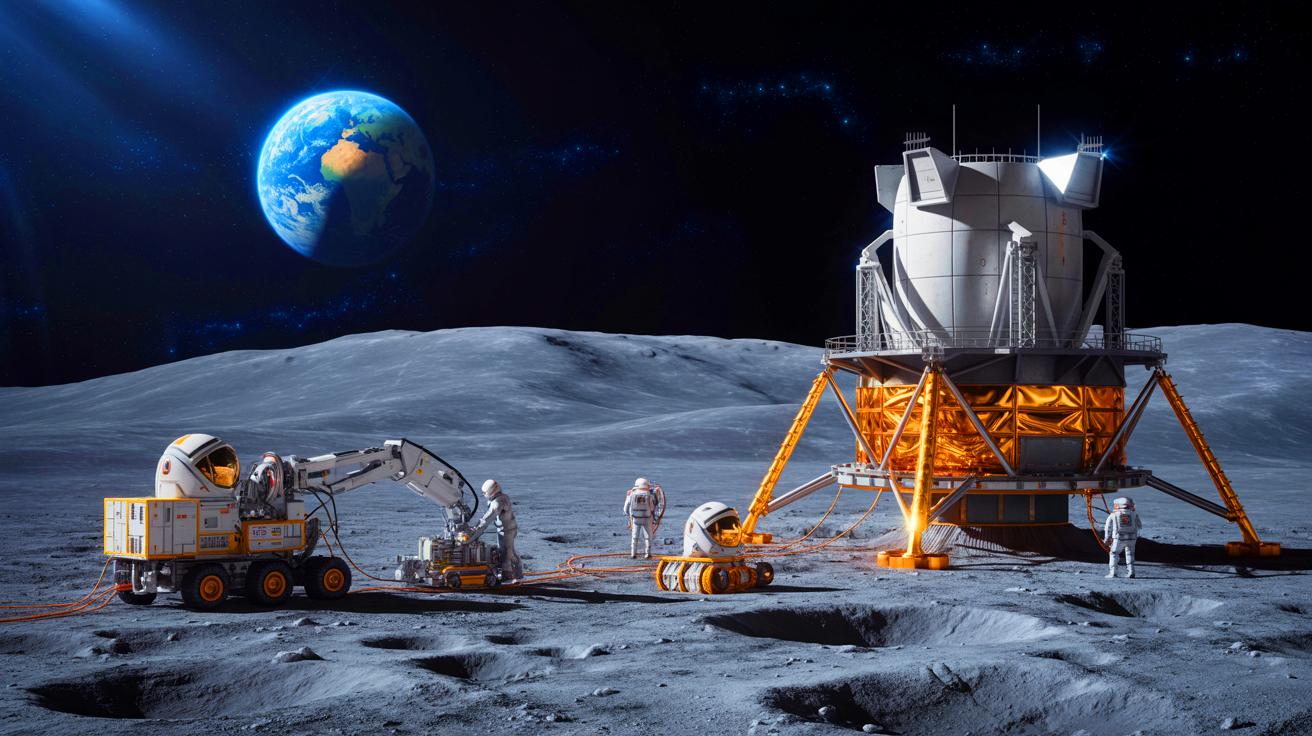
Sean Duffy, recently appointed as the interim head of NASA, has put forward an ambitious plan to accelerate the deployment of a nuclear reactor on the Moon by 2029. This initiative is framed as a strategic, technological, and geopolitical necessity, especially as global powers like China and Russia are advancing their own lunar programs. The urgency of this project is underscored by the rapidly evolving space race, which is now as much about political influence as it is about scientific discovery. The world watches closely as NASA works to meet this formidable challenge and maintain its leadership in space exploration.
The Urgency of the Lunar Initiative
Last week, a directive came down from Sean Duffy, who serves as the Secretary of Transportation and was recently appointed as NASA’s interim administrator. This directive is a clear call to action: NASA must act swiftly. Duffy has given the agency just 30 days to appoint a project leader and 60 days to issue a request for proposals from private companies. The project’s goal is to build a reactor capable of generating at least 100 kilowatts of electricity, enough to power approximately 80 American households, and to have it launched by the end of 2029.
In this high-stakes race, the timeline is aggressive but necessary. The pressure to deliver results not only stems from the need to advance technological capabilities but also from the geopolitical landscape. As nations like China and Russia progress in their lunar endeavors, the United States cannot afford to lag. The deployment of a nuclear reactor on the Moon is not just about energy; it’s about asserting dominance in the new frontier of space exploration.
Strategic Implications for Global Politics
The push for a lunar reactor is deeply intertwined with global strategic interests. As space becomes an arena for geopolitical competition, establishing a presence on the Moon is seen as crucial for maintaining international influence. The United States, under Duffy’s leadership, aims to reinforce its position by spearheading this pioneering project.
Both China and Russia have made significant strides in their space programs, with lunar missions that could potentially yield strategic advantages. By accelerating its own lunar activities, the U.S. seeks to counterbalance these efforts and ensure that it remains at the forefront of space exploration. This move is not just about technological advancement; it is also a statement of intent in the international arena. The success of this project could redefine power dynamics in space and beyond, highlighting the intersection of science, politics, and national security.
The Technological Challenges Ahead
Developing a nuclear reactor for lunar deployment presents a myriad of technological challenges. The harsh environment of the Moon requires innovations in design and engineering to ensure the reactor’s functionality and safety. NASA must address issues such as radiation shielding, heat dissipation, and the reactor’s ability to withstand the Moon’s extreme temperatures and vacuum conditions.
Moreover, the logistics of transporting and assembling the reactor on the lunar surface are complex. This endeavor demands collaboration between government agencies and private companies, leveraging expertise across various sectors. The timeline is tight, and the stakes are high, but the potential rewards are immense. Success could pave the way for sustainable lunar bases, providing a reliable energy source for future missions and long-term colonization efforts.
Engaging the Private Sector
The involvement of private companies is pivotal to the project’s success. By issuing a call for proposals, NASA is tapping into the innovation and resources of the commercial space industry. Companies with expertise in nuclear technology, space exploration, and engineering are being invited to contribute their ideas and capabilities.
This collaboration represents a shift towards a more integrated approach to space exploration, where government and industry work hand in hand. It offers an opportunity for private entities to play a significant role in shaping the future of space travel. The success of this project could set a precedent for future partnerships, fostering a new era of exploration driven by both public ambition and private ingenuity.
As NASA moves forward with its ambitious plan to deploy a nuclear reactor on the Moon, the world is watching. The outcome of this initiative could influence the trajectory of space exploration for decades to come. Will the United States succeed in maintaining its leadership in space, or will the balance of power shift? The answers to these questions will shape the future of humanity’s presence beyond Earth. What role will international collaboration play in this new chapter of exploration?



Wow, a nuclear reactor on the Moon! That’s out of this world! 🚀
Why is there such a rush to build this reactor before 2029?
Are there any contingency plans for potential radiation leaks on the Moon?
Can private companies really handle this kind of project?
I’m all for space exploration, but shouldn’t we solve Earth’s problems first?
This sounds like the plot of a sci-fi movie. Are we sure this is real? 😄
How will this project impact the environment on the Moon?
Is NASA collaborating with any international space agencies for this?
This is a huge step for mankind! Thank you, NASA! 🌕