




| IN A NUTSHELL |
|
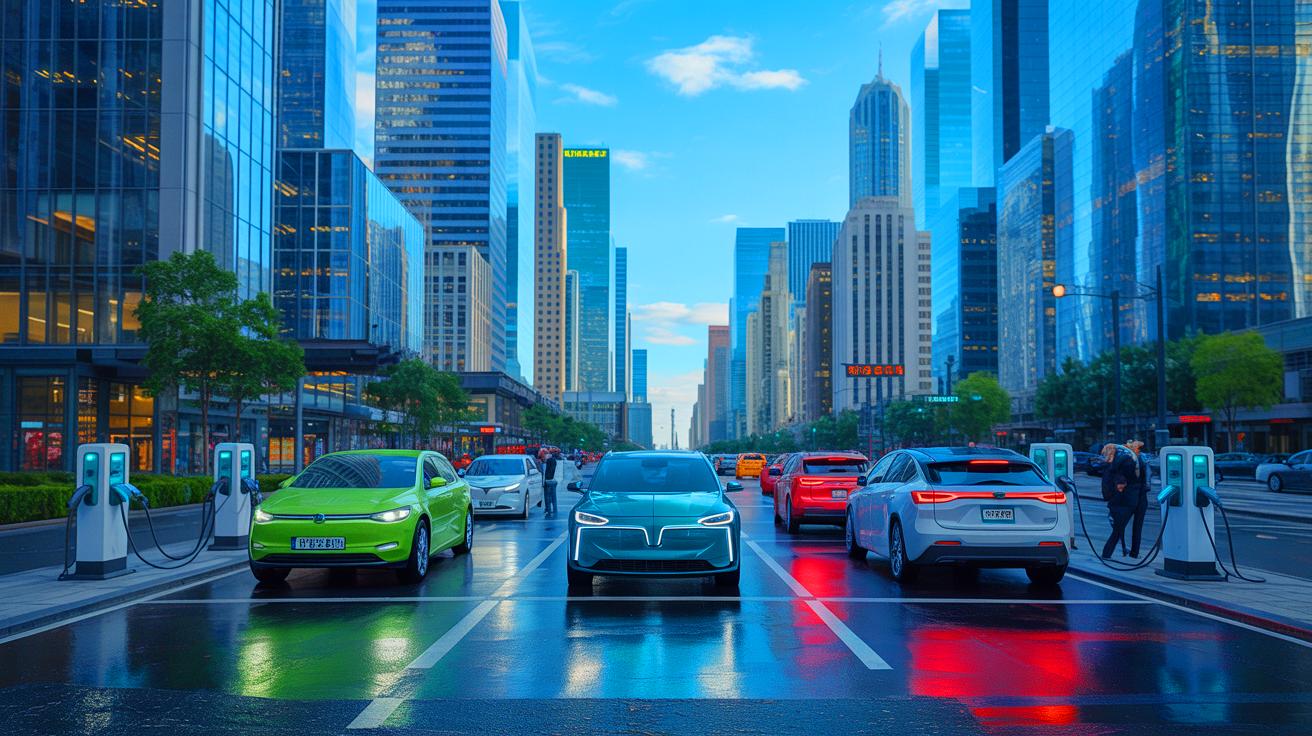
The anticipated transition to electric vehicles (EVs) was expected to revolutionize the automotive industry, particularly in the United States. However, this shift has encountered significant roadblocks, resulting in a slower adoption rate than initially projected. With the high costs associated with electric vehicles, diminishing government support, and the persistence of traditional internal combustion engines, automakers are reassessing their strategies. Despite the initial promise of phasing out gasoline engines, these remain a central component in the plans of many car manufacturers, reflecting the complex realities of the current market.
Revised Electric Ambitions
Initially, the shift to electric vehicles was expected to gain substantial traction in the U.S. market. Projections indicated that EVs would account for a much larger share of annual vehicle sales by now. However, the momentum has stalled, partly due to the withdrawal of tax incentives following the enactment of the “Big, Beautiful Bill” under Donald Trump’s administration. These incentives were crucial in making EVs more financially accessible to a broader range of consumers.
Without these tax breaks, electric vehicles remain relatively expensive, often perceived as luxury items catering to a niche market. This market segment is not yet representative of the general car-buying public. As a result, major European automakers, particularly those from Germany, are re-evaluating their strategies. For instance, Mercedes-Benz, which had planned to fully eliminate gasoline engines, is now adopting a multi-platform approach. This includes a mix of traditional, hybrid, and electric engines in their future lineups. Similarly, BMW and Volkswagen are also navigating this uncertainty, driven by their reliance on the American market.
“65 million containers per year”: this massive automated port will transform global shipping forever
Economic and Market Challenges
The high production costs of electric vehicles remain a significant barrier to widespread adoption. Despite advances in battery technology and manufacturing processes, EVs are still more expensive to produce than their gasoline counterparts. This cost is often passed on to consumers, making electric vehicles less attractive to budget-conscious buyers.
Moreover, the infrastructure needed to support a large-scale transition to electric vehicles is still underdeveloped. While urban areas are gradually expanding their charging networks, rural regions lag significantly behind, discouraging potential EV buyers who rely on long-distance travel. The combination of high costs and limited infrastructure presents a formidable challenge for automakers aiming to increase EV adoption.
Government Policy and Its Impact
Government policies have played a pivotal role in shaping the EV market. Initially, tax incentives and subsidies were instrumental in driving early adoption. However, recent policy changes have reduced these financial supports, causing a slowdown in the market’s growth. The absence of robust government backing is a significant deterrent for both manufacturers and consumers.
In contrast, countries with strong government support for EVs have seen more significant market penetration. For example, Norway and China have implemented comprehensive policies that include financial incentives and stringent emissions regulations. These measures have resulted in higher EV sales and a more rapid transition from gasoline-powered vehicles. The U.S. must evaluate its policy framework to encourage similar outcomes.
The Role of Consumer Perception
Consumer perception is a critical factor influencing EV adoption. There is a prevailing skepticism among some consumers about the reliability and performance of electric vehicles. Concerns about battery life, charging times, and the availability of charging stations continue to deter potential buyers.
Additionally, the perception of electric vehicles as luxury items limits their appeal to a broader audience. Automakers must work to change this narrative by offering affordable and practical EV options that meet the needs of average consumers. Efforts to educate the public on the benefits of electric vehicles, such as lower environmental impact and long-term cost savings, are essential to shifting consumer attitudes.
The automotive industry’s transition to electric vehicles is fraught with challenges, from high costs and infrastructure limitations to shifting government policies and consumer perceptions. As automakers navigate this complex landscape, the future of electric vehicles remains uncertain. How will manufacturers and policymakers collaborate to overcome these obstacles and drive a sustainable transition to electric mobility?


Wow, I had no idea the transition to EVs was so complicated! Thanks for the insight. 🚗💡
Isn’t it ironic that we want to save the environment but can’t afford the vehicles to do it? 🤔
What is the “Big, Beautiful Bill” and how did it impact EV incentives?
I think carmakers just need to try harder. If they really wanted to make affordable EVs, they would!
Thank you for highlighting the issue with infrastructure. It’s a huge barrier for rural areas like mine.
Maybe the government needs to take a page out of Norway’s playbook! 🇳🇴⚡
If EVs are so expensive, how come I see so many Teslas around? 🤷♂️
Why are production costs for EVs still so high? Haven’t we had enough advances in technology by now?
I’m all for EVs, but I can’t justify the cost when gas cars are much cheaper. 🤷
There are a few affordable EV’s out there, bmw and Mercedes will always be expensive. Look at Chevy and Nissan. It’s too bad Trump is trying his best to kill people’s choice by restricting the infrastructure buildout, but we’ll only have him a few more years. Then we can try to get back on track.
The article didn’t mention anything about other alternative fuels. Are hydrogen cars a better option?
It’s crazy how a single policy change can have such a big impact on an entire industry!
Does anyone else feel like we’re stuck in a loop with gas cars? 😩
I don’t get why people think EVs are unreliable. My Leaf has been great for years! ⚡🌿
Thank you for the detailed analysis. It’s clear that we need more than just technological innovation.
How soon before we see major changes in U.S. policies affecting EVs?
I’m skeptical about these ‘multi-platform strategies’. Doesn’t it just mean more gas cars? 😒
What about the environmental impact of battery production for EVs?
This is exactly why I haven’t made the switch to electric yet. Too many uncertainties. 😟
Why is the U.S. lagging behind in EV adoption compared to other countries?
Great article! This explains why my local dealership is still pushing gas models so hard.
I’m surprised major brands like Mercedes and BMW are still stuck in the gas era. 🤨
Is consumer perception about EVs really that negative? I’ve only heard good things.
Can’t wait for the day when EVs are the norm and gas cars are the exception. 🌍🔋
Thanks for the info, but I’m still holding out for flying cars. 😂🚀
I appreciate the focus on consumer perception. Education is definitely key to wider adoption.
Are there any U.S. states leading the charge (pun intended) in supporting EVs more than others?
Why aren’t automakers doing more to improve charging infrastructure? It’s a no-brainer! 🤔
Wow, I didn’t know government policies had such a big impact on the car market. Thanks for the insight.
I think EVs will eventually win out. It’s just a matter of time and commitment. 🌿⌛
Why do EVs still feel like a luxury? Aren’t there any affordable options out there?
It’s frustrating to see progress stalled because of policy changes. We need more forward-thinking leaders!