




IN A NUTSHELL
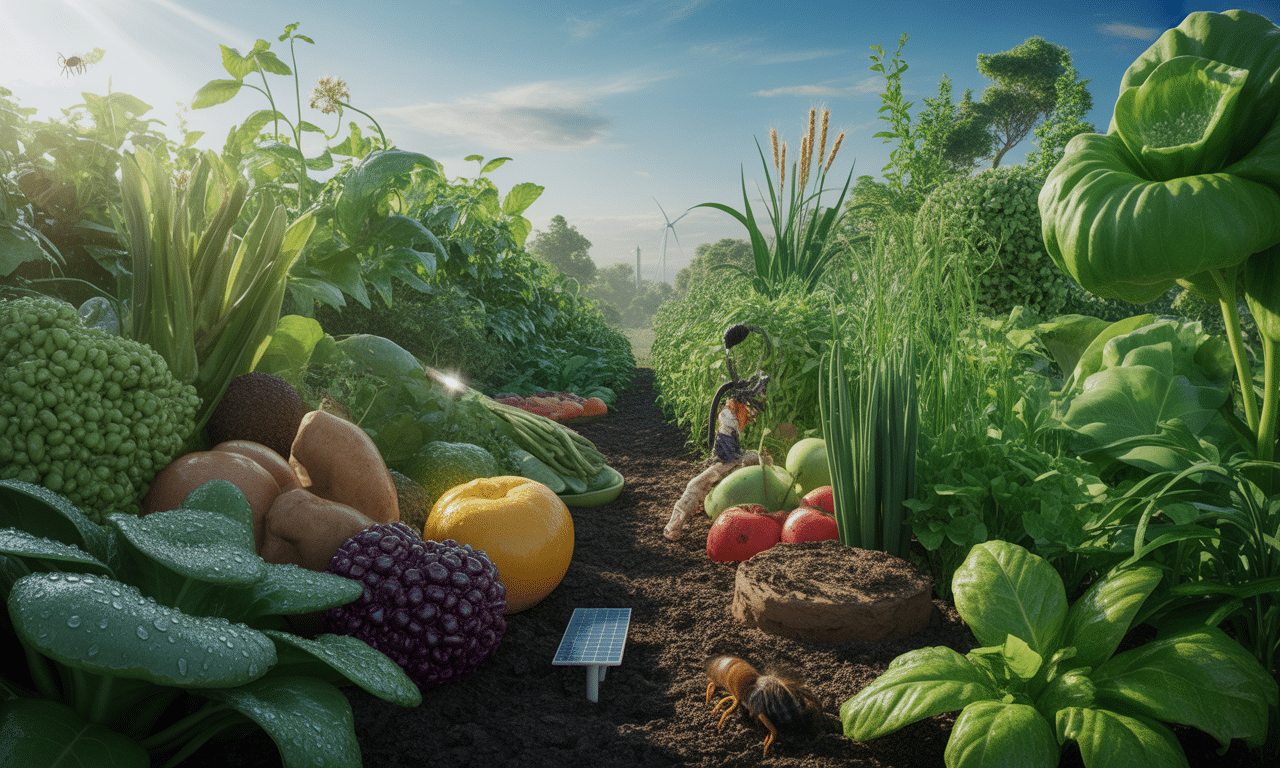
As concerns about climate change and resource depletion intensify, the choices on our plates have moved from personal preference to public policy. Embracing a plant-based diet is no longer merely a health trend; it is a practical lever for sustainability. By shifting consumption toward fruits, vegetables, grains and legumes and away from intensive livestock systems, individuals can sharply reduce greenhouse gas emissions, curb excessive water use and free up vast tracts of land currently devoted to feed and pasture. The environmental argument is matched by nutritional realities: well-planned plant-focused eating can supply protein, iron and other essentials, especially when fortified foods or thoughtful meat alternatives are included. Critics point to cultural and economic barriers, but advocates counter that incremental changes—better meal planning, diversified crops and targeted policy incentives—can reconcile diets with ecological limits. What remains clear is that dietary patterns are a tangible, scalable pathway for mitigating climate change and protecting biodiversity, making food a central battleground in the effort to build a more resilient planet.
How plant-based diets cut greenhouse gas emissions
Plant-based dietary shifts are not merely a personal health choice; they are a powerful lever for reducing global greenhouse gas emissions. Animal agriculture is a disproportionate emitter of methane and nitrous oxide—both potent climate-warming gases—and reducing demand for livestock products directly lowers those emissions. Numerous studies show that replacing animal-derived calories with plant foods can shrink an individual’s food-related carbon footprint by a substantial margin. This is a systemic change that scales: individual shifts aggregate into measurable emissions reductions at national and global levels.
Arguing for diet-based climate action means confronting trade-offs and potential objections. Critics note that not all plant foods are equal in their emissions profile; yet comprehensive assessments demonstrate that even relatively resource-intensive crops typically produce fewer emissions per calorie than meat, especially ruminant meat. Policy analysis and academic reviews, such as research available via ScienceDirect, outline pathways for dietary transitions to contribute to emissions reductions when combined with other agricultural improvements (https://www.sciencedirect.com/science/article/pii/S0022316623065896). Evidence-based dietary shifts reduce pressure on supply chains and free up capital for sustainable innovation.
It is also important to consider the nuance between healthier and less healthy plant-based diets. Healthier whole-food plant-based patterns generally yield larger environmental benefits than heavily processed plant-based options, which can carry hidden emissions and supply chain footprints. The Harvard T.H. Chan School of Public Health has highlighted that promoting nutritious plant foods amplifies environmental gains as well as human health outcomes (https://hsph.harvard.edu/news/healthy-plant-based-diets-better-for-the-environment-than-less-healthy-plant-based-diets/). For those making the transition, prioritizing legumes, whole grains, vegetables, and minimally processed meat alternatives will deliver the strongest climate dividends.
Water savings and land use advantages
Switching dietary patterns delivers tangible reductions in water use and land requirements for food production. The water footprint of animal products—driven by irrigation for feed crops, drinking water, and processing—is several times higher than that of many plant foods. For example, the production of beef often requires orders of magnitude more water than staple crops like potatoes or grains. Every percentage point of meat removed from average diets translates into sizable water savings at the watershed and national levels.
Land sparing is equally compelling. Much of global agricultural land is dedicated to livestock grazing and feed cultivation; reducing meat demand reallocates that land back to either biodiverse habitats or higher-yield, human-food crops. Modeling work and policy analysis suggest that strategic relocation of cropland and shifts toward plant-based cultivation could drastically reduce agriculture’s environmental footprint (https://www.sustainability-times.com/impact/relocating-croplands-to-ideal-locations-could-drastically-reduce-agricultures-environmental-impacts/). These changes would alleviate pressure on forests and help stabilize regional water cycles.
To make this argument practical, consider food-system redesigns that pair dietary change with smarter production: choosing crops suited to local climates, improving irrigation efficiency, and favoring crops that feed people directly rather than via livestock. Research collected on platforms such as Peppino.org explores environmental impacts from the plate perspective and supports restructuring supply to meet human nutritional needs more efficiently (https://peppino.org/articles/sustainable-plate-plant-based-diets-environmental-impact). Adopting plant-based patterns is not a silver bullet, but it is one of the most scalable, immediate strategies to conserve freshwater and land resources.
Biodiversity, deforestation and soil health
Pressure on forests and natural habitats is one of the most visible outcomes of expanding livestock systems. Large-scale pasture expansion and feed-crop monocultures drive deforestation and habitat loss, eroding biodiversity and compromising ecosystem services. Reducing reliance on animal agriculture lessens the need to convert forests into farmland, preserving habitats and reducing extinction risk. Dietary change is therefore an indirect but potent conservation tool: by eating differently, people can affect land-use decisions hundreds or thousands of miles away.
Healthy soils are another beneficiary of plant-forward agriculture. Diverse crop rotations, cover cropping, and legume integration enhance soil organic matter and reduce erosion—benefits that align with a shift toward crops intended for direct human consumption. Soil carbon sequestration is improved when cropping systems prioritize diversity over intensive monoculture feed production. Policy and research outlets, including Sustainability Times, have discussed how plant-based diets can bolster biodiversity and improve soil outcomes by reducing the scale of livestock-driven monocultures (https://www.sustainability-times.com/climate/healthier-plant-based-diets-are-better-for-the-environment/).
Preserving biodiversity also has direct implications for resilience: diverse agroecosystems buffer pests, diseases, and climate variability better than uniform feed-crop landscapes. The argument is clear and supported by the literature: if public and private actors promote plant-centered food policies, the combined effect on forest conservation, species protection, and soil health will be substantial. Changing diets creates the demand signal needed to incentivize restoration and biodiversity-friendly farming practices.
Nutritional planning and the role of alternatives
Concerns about nutritional adequacy are the most common objections to broad adoption of plant-based diets. These concerns are legitimate but solvable with structured planning. A carefully designed plant-based menu can supply sufficient protein, iron, calcium, vitamin B12, and omega-3 fatty acids through whole foods, fortified products, and, where necessary, supplements. Highlighting diversity—legumes, nuts, seeds, whole grains, leafy greens, and fortified plant milks—ensures nutrient coverage. Arguing for sustainability does not require sacrificing nutritional integrity; instead, it demands smarter meal design.
Meat alternatives like tofu, tempeh, seitan, and fortified plant-based products provide practical pathways to retain familiar textures and protein levels while lowering environmental costs. The nutritional value of such products varies, and consumers should prioritize minimally processed, fortified, or whole-food alternatives over highly processed options with added fats or sugars. Educational resources and protein guides—such as vegan protein cheat sheets—help individuals plan meals for strength and recovery while remaining eco-conscious.
From a policy perspective, aligning dietary guidance with environmental targets increases uptake. Food labeling that reflects both health and sustainability metrics can nudge consumers toward better choices. Media coverage in outlets like Sustainability Times argues that improved labelling could make Europeans healthier and greener (https://www.sustainability-times.com/markets/food-labels-could-turn-europeans-healthier-and-greener/). Nutrition and sustainability are mutually reinforcing goals when diet transitions are grounded in evidence and guided by clear public information.
Economic, cultural and policy pathways to adoption
Transitioning food systems involves economic shifts that create winners and losers, which fuels resistance. Yet the argument for plant-based policy is economic as well as environmental: lowering the resource intensity of food production can reduce public health costs, enhance food security, and open new markets for sustainable crops. Studies in economic education and sustainability analyses detail how plant-based agriculture redistributes value across supply chains and can generate jobs in processing and distribution of plant foods (https://www.journalofeconed.org/plant-based-diet-and-the-environment/). Policy design must include transition support for farmers, retraining programs, and incentives for crop diversification to make the switch equitable.
Cultural barriers are another critical challenge. Many societies embed meat and dairy in culinary traditions and rituals, which complicates straightforward adoption. Effective campaigns respect these traditions while offering compelling alternatives that retain cultural flavors. Community-based programs—such as gardens, cooking workshops, and local market interventions—demonstrate higher uptake by offering social support and practical skill-building. Behavioral science applied to food systems shows that combining education, accessibility, and social norms is the most persuasive approach.
Finally, policy levers—subsidy reform, sustainable procurement rules, and public procurement shifts—can accelerate adoption at scale. Media and advocacy coverage support the need to highlight both health and environmental benefits; for example, Sustainability Times explores how diet choices intersect with climate narratives and consumer habits, including reducing sweets and pastries to benefit both health and the planet (https://www.sustainability-times.com/market s/food-labels-could-turn-europeans-healthier-and-greener/). Complementary research and advocacy resources, including UCLA’s case for plant-based systems (https://sustain.ucla.edu/food-systems/the-case-for-plant-based/), provide blueprints for aligning incentives with long-term sustainability objectives. Policy, culture, and market redesign together form the most convincing path forward for meaningful dietary transformation.
| Food | Approx. water use per kg | Land use (m² per kg) | Typical emissions (kg CO2e per kg) |
|---|---|---|---|
| Beef | ~15,000 liters | ~30-200 m² | ~60 |
| Poultry | ~4,000 liters | ~10-50 m² | ~6-10 |
| Potatoes | ~560 liters | ~1-4 m² | <1-2 |
| Legumes | ~4,000 liters | ~2-8 m² | ~0.5-2 |
How Plant-Based Diets Advance Sustainability
The shift toward a plant-based diet is not merely a personal health choice; it is a strategic, evidence-based response to environmental crises. By prioritizing fruits, vegetables, grains, legumes and other plant foods, you directly reduce the demand for resource-intensive animal agriculture. That reduction translates into lower greenhouse gas emissions, smaller carbon footprints, and less pressure on land and water systems—outcomes that are essential if we aim to curb climate change and preserve ecosystems.
Animal farming drives massive deforestation and land conversion to pastures and feed crops; replacing portions of meat consumption with plant-based options frees up land for conservation and restores habitats that support biodiversity. Likewise, plant-centered production typically uses far less water per calorie produced, improving water conservation and making agriculture more resilient in regions facing scarcity. Shifting crop choices and adopting diverse rotations also improves soil health, reducing erosion and enhancing carbon sequestration in soils—practical benefits that compound across landscapes.
Critically, sustainability arguments must also address human nutrition. Well-planned plant-based eating that includes whole foods, fortified products, and mindful inclusion of plant proteins and omega-3 sources ensures nutritional adequacy while minimizing environmental harm. The rise of meat alternatives—tofu, tempeh, seitan, and new plant-based burgers—helps consumers maintain familiar textures and protein intake without reverting to livestock-centric diets, making sustainable choices accessible and scalable.
Adopting a plant-forward diet therefore represents a high-impact lever: individual dietary decisions drive market demand, influence agricultural systems, and enable policy shifts toward sustainable practices. When combined with smarter food systems and public support, expanding plant-based consumption delivers measurable reductions in emissions, water use, and land conversion—clear, practical steps toward a more sustainable future.
Frequently Asked Questions: How Plant-Based Diets Contribute to Sustainability
Q: How do plant-based diets reduce greenhouse gas emissions?
A: By shifting food demand away from livestock, you cut emissions from enteric methane, manure, feed production and processing. Animal agriculture is a major source of greenhouse gases, so prioritizing fruits, vegetables, grains and legumes directly lowers your household carbon footprint and helps mitigate climate change.
Q: Do plant-based diets really save water?
A: Yes. Producing animal products typically consumes far more water than producing plant foods because of irrigation for feed crops and water needs for animals. Choosing plant-forward meals reduces the overall water footprint of your diet and supports more efficient, sustainable agriculture.
Q: What impact do plant-based choices have on land use and deforestation?
A: Animal agriculture requires vast tracts of land for grazing and feed production, driving deforestation and habitat loss. Eating more plants decreases demand for pasture and feed crops, freeing land for reforestation, conservation and more diverse cropping systems that support biodiversity.
Q: Can plant-based farming improve soil health?
A: Yes. Diverse plant-based cropping—especially legumes and cover crops—enhances soil structure, boosts microbial life and reduces erosion. Replacing monoculture feed production with varied plant systems promotes long-term soil resilience and carbon sequestration.
Q: Will I get enough protein and essential nutrients on a plant-based diet?
A: Absolutely—if you plan carefully. Combining legumes, whole grains, nuts, seeds and fortified foods provides complete proteins and micronutrients. Attention to B12, iron, calcium and omega-3 sources (or supplements where needed) ensures nutritional adequacy while keeping environmental benefits.
Q: Are meat alternatives effective for sustainability?
A: Meat alternatives like tofu, tempeh, seitan and plant-based burgers let you meet protein needs while reducing reliance on livestock. When sourced and manufactured responsibly, they lower emissions, land and water use compared with conventional meat—making them a practical bridge toward more sustainable eating.
Q: What about the economic impacts of moving toward plant-based agriculture?
A: Transitioning creates new market opportunities—jobs in sustainable farming, processing and plant-based food innovation—but also challenges supply chains tied to animal agriculture. Thoughtful policy and investment can smooth the shift, delivering long-term economic and public health savings.
Q: Are there cultural barriers to adopting plant-based diets worldwide?
A: Yes. Food traditions and social norms often prioritize meat and dairy, making change difficult. Arguably the most effective approach is respectful, incremental adaptation—showing how plant-based options can complement traditional dishes and offering accessible, tasty alternatives.
Q: How should someone transition to a plant-based diet without feeling overwhelmed?
A: Start incrementally: add more vegetables, whole grains and legumes, use meat alternatives, and plan meals to ensure nutrient variety. Meal prepping, fortified foods or supplements for nutrients like B12, and reliable recipes make the shift sustainable and enjoyable.
Q: Can individual dietary changes really make a measurable difference for the planet?
A: Yes—widespread reductions in animal product consumption translate into substantial cuts in emissions, water use and land conversion. Individual choices, when multiplied across communities and supported by policy, create the momentum needed to transform food systems toward more sustainable outcomes.