




| IN A NUTSHELL |
|
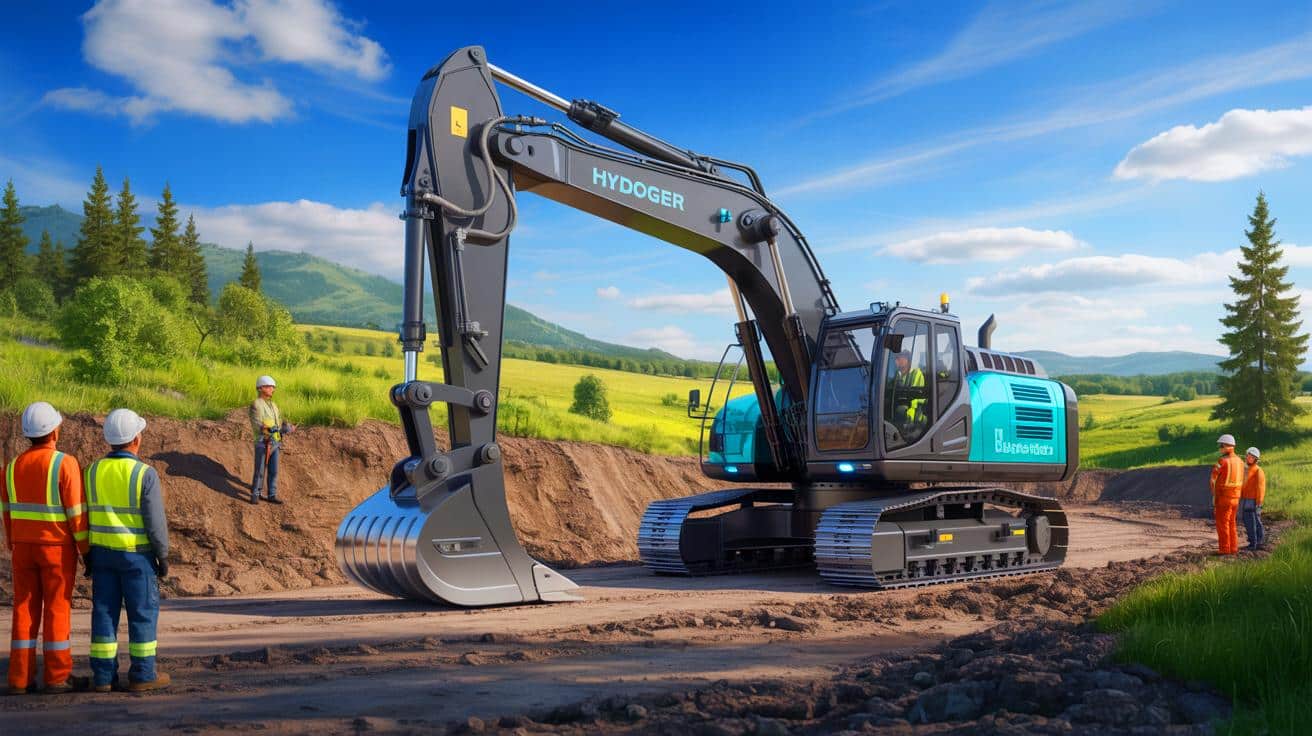
The United Kingdom is taking a significant step toward carbon neutrality with the introduction of a hydrogen-powered digger at the Lower Thames Crossing project in Kent. This groundbreaking initiative marks a pivotal moment in the UK’s journey to reduce carbon emissions in construction. The JCB-built machine has already cut over 1.1 US tons of CO₂ in its first month of operation, showcasing the potential of hydrogen as a sustainable fuel source. As the UK aims to eliminate diesel from worksites by 2027, this project serves as a promising example of how innovation and environmental responsibility can coexist.
Hydrogen Machinery Cuts Carbon on Site
The deployment of the hydrogen-powered digger at the Lower Thames Crossing is a significant advancement in sustainable construction. Within just a month, the digger has reduced more than 1.1 US tons of CO₂ emissions, illustrating its effectiveness. This initiative is part of a broader strategy to phase out diesel in favor of greener alternatives by 2027. National Highways has spearheaded this effort, supported by the UK’s largest-ever purchase of green hydrogen for construction purposes.
Executive director Matt Palmer emphasized the project’s role in showcasing the British construction industry’s capability to drive growth while enhancing the local environment. The move is seen as a “huge milestone” by JCB’s managing director, Steve Fox, as it marks the first time hydrogen has been used as a carbon-neutral fuel in a working construction machine on a major UK project.
"This project will prove that the British construction industry has the vision and skills to build the projects needed to drive growth in a way that enhances, not impacts, the local environment," noted Matt Palmer.
Low-Carbon Materials and Construction Targets
The Lower Thames Crossing is not only about innovative machinery but also about ambitious carbon reduction goals. The project aims to reduce its construction carbon footprint by 70% by employing low-carbon materials such as steel and concrete and utilizing innovative construction techniques. These efforts are expected to set a new standard for sustainability in large-scale infrastructure projects.
The hydrogen digger's deployment follows successful trials at Gallagher’s Hermitage Quarry in Kent. With final testing and validation underway, JCB plans to begin full production at its Rocester factory in Staffordshire by 2026. The commitment to using low-carbon materials and innovative methods further underscores the project's dedication to sustainability.
A Road to Cleaner, Faster Travel
With planning permission granted in March 2025, the Lower Thames Crossing is set to transform travel across the Thames. The project aims to double road capacity, reduce congestion at the Dartford Crossing, and provide a direct freight route linking the South East ports with the Midlands and the North. Construction is expected to start in 2026, with the route anticipated to open in the early 2030s.
Simon Lightwood, Roads and Buses Minister, highlighted the project's broader implications, stating that it will "slash journey times for motorists and our vital freight industry." Additionally, its construction promises to be completely carbon neutral, demonstrating that major infrastructure projects can align with ambitious environmental targets.
"Built and powered by British businesses," Lightwood remarked, the project is "creating economic growth and unlocking jobs, all part of our government’s Plan for Change."
Benchmarking Future UK Infrastructure
The Lower Thames Crossing sets a new benchmark for future UK infrastructure projects by integrating growth with sustainability. By employing cutting-edge technology and sustainable practices, the project demonstrates that large-scale infrastructure developments can be achieved without compromising environmental goals. This approach not only benefits the environment but also boosts the economy by involving local businesses and creating jobs.
The initiative serves as a model for future projects, proving that it is possible to balance economic growth with environmental stewardship. As the UK continues to transition toward a carbon-neutral future, projects like the Lower Thames Crossing will play a crucial role in shaping the infrastructure landscape.
As the UK paves the way for carbon-neutral construction, the success of the Lower Thames Crossing project raises important questions about the future of infrastructure development. Can similar projects globally adopt such sustainable practices, and what role will hydrogen-powered machinery play in the broader shift toward environmental responsibility?


Wow, hydrogen-powered diggers are the future! 🚜💚
Wow, hydrogen-powered diggers? That’s a game-changer for construction! 🚜💪
How does the cost of hydrogen compare to diesel?
Is the hydrogen used in this project truly green, or is it derived from fossil fuels?
Love seeing the UK lead in sustainable construction. Keep it up! 🌍
Why wait until 2027 to eliminate diesel? Can’t we speed this up?
This is a great step forward! Kudos to the team involved. 👏
This is all well and good, but are these machines reliable enough for daily use?
How does the cost of running a hydrogen digger compare to a diesel one?
How long before the hydrogen diggers are available for all construction companies?
1.1 tons of CO₂ reduction is impressive for just a month!
As someone who hates the smell of diesel, this sounds like a dream come true!