




| IN A NUTSHELL |
|
On July 19, 2025, a significant shift in water geopolitics occurred in Asia. China announced the construction of the world’s largest hydroelectric project, sending ripples far beyond its energy implications. The venture, nestled on the Tibetan Plateau, symbolizes China’s ambition to dominate renewable energy. However, this colossal project raises concerns among China’s neighbors, particularly India and Bangladesh, due to its potential impact on regional water resources. As China embarks on this ambitious endeavor, the geopolitical landscape of Asia stands on the brink of transformation, posing questions about the balance of power and cooperation among nations.
China’s Ambitious Hydroelectric Project on the Tibetan Plateau
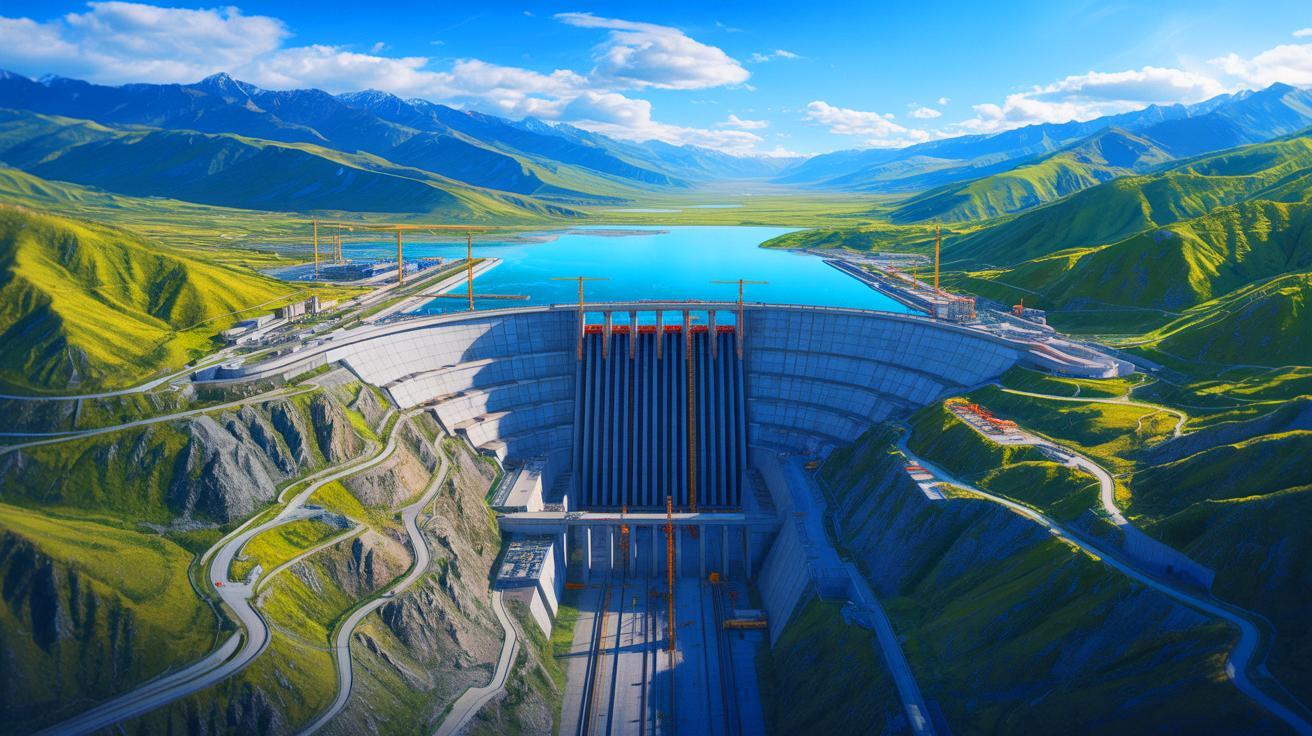
In the heart of the Tibetan Plateau, where the Yarlung Tsangpo River originates, China is poised to construct an unprecedented hydroelectric complex. This massive undertaking includes the construction of five cascading power stations, projected to generate an astounding 300 billion kilowatt-hours annually. To put this into perspective, this output is triple that of the renowned Three Gorges Dam, the previous record-holder for the world’s largest hydroelectric output.
The technical marvel of this project demands an enormous investment of $167 billion, overseen by the newly formed China Yajiang Group. This state-owned enterprise was established specifically to manage this monumental project. Beyond the staggering figures, this endeavor reflects China’s determination to solidify its leadership in the renewable energy sector, showcasing its capability to orchestrate projects of unparalleled scale and ambition.
The Geopolitical Implications of the Yarlung Tsangpo River
The implications of this project extend far beyond China’s borders. The Yarlung Tsangpo River flows into India, where it becomes the Brahmaputra River, a crucial waterway supporting the regions of Arunachal Pradesh and Assam. The river’s course continues into Bangladesh, underpinning its significance as a transnational resource.
This geographical context elevates the project from an energy initiative to a geopolitical flashpoint. Controlling a transboundary river’s source grants significant leverage over downstream countries, especially in regions where agriculture is heavily dependent on natural water cycles. The geopolitical stakes are high, with China possessing the potential to influence the water supply of its neighbors, a power that could be wielded strategically in diplomatic conflicts.
India and Bangladesh Express Concerns Over Water Control
The announcement of the project was met with swift reactions from neighboring countries. India and Bangladesh have expressed legitimate concerns regarding the potential disruptions to their water supply. The potential impacts are far-reaching, affecting agriculture, ecosystems, and communities reliant on the river’s flow.
Particularly alarming is the prospect of China leveraging its control over the river for political purposes. In times of diplomatic tension, the temptation to manipulate water flow—either by retaining water to induce droughts or releasing it to cause floods—could serve as a means of exerting indirect pressure on these nations. This possibility adds a layer of complexity to regional relations, heightening concerns over water security.
Territorial Disputes Add to the Complexity
The underlying tensions are exacerbated by ongoing territorial disputes. India claims Arunachal Pradesh as part of its territory, while China views it as part of southern Tibet. In this contentious context, the construction of the Chinese dam takes on added symbolic significance, representing an assertion of sovereignty over the entire watershed.
In response to this perceived threat, India is accelerating its own hydroelectric projects in the contested region. This race to develop water resources transforms the Himalayas into a theater of unprecedented infrastructural competition, as both nations strive to secure their hydrological interests. The situation underscores the intricate interplay between resource management and territorial claims in the region.
China’s Assurances and Regional Skepticism
In an effort to address regional apprehensions, Chinese authorities have issued numerous assurances. Beijing claims to have conducted comprehensive environmental studies to ensure that the project will not harm downstream ecosystems. Furthermore, the initiative is portrayed as a means to prevent natural disasters and enhance regional climate adaptation.
The Chinese Foreign Ministry has also pledged that the dam will never be used for political leverage. However, these assurances are met with skepticism in a region where mutual trust is fragile. The challenge lies in reconciling China’s energy ambitions with the concerns of its neighbors, fostering a cooperative rather than adversarial approach to shared water resources.
As China advances with its ambitious hydroelectric project, the world watches closely. This initiative encapsulates the challenges and opportunities inherent in the transition to renewable energy. While the project promises significant contributions to clean energy, it must navigate the complexities of international relations and regional cooperation. The key question remains: can China balance its energy aspirations with the legitimate concerns of its neighbors, transforming potential conflict into an opportunity for collaborative progress?



This is huge! But what about the environmental impact on the Tibetan Plateau? 🌍
China is really pushing the boundaries with this one. Impressive but scary. 😬
Can someone explain how a dam in Tibet affects India and Bangladesh?
This project sounds like a ticking time bomb for political tensions in the region!
Thanks for the detailed breakdown of the project. Very informative! 👍
Isn’t this just a way for China to control the water supply to its neighbors?