

| IN A NUTSHELL |
|
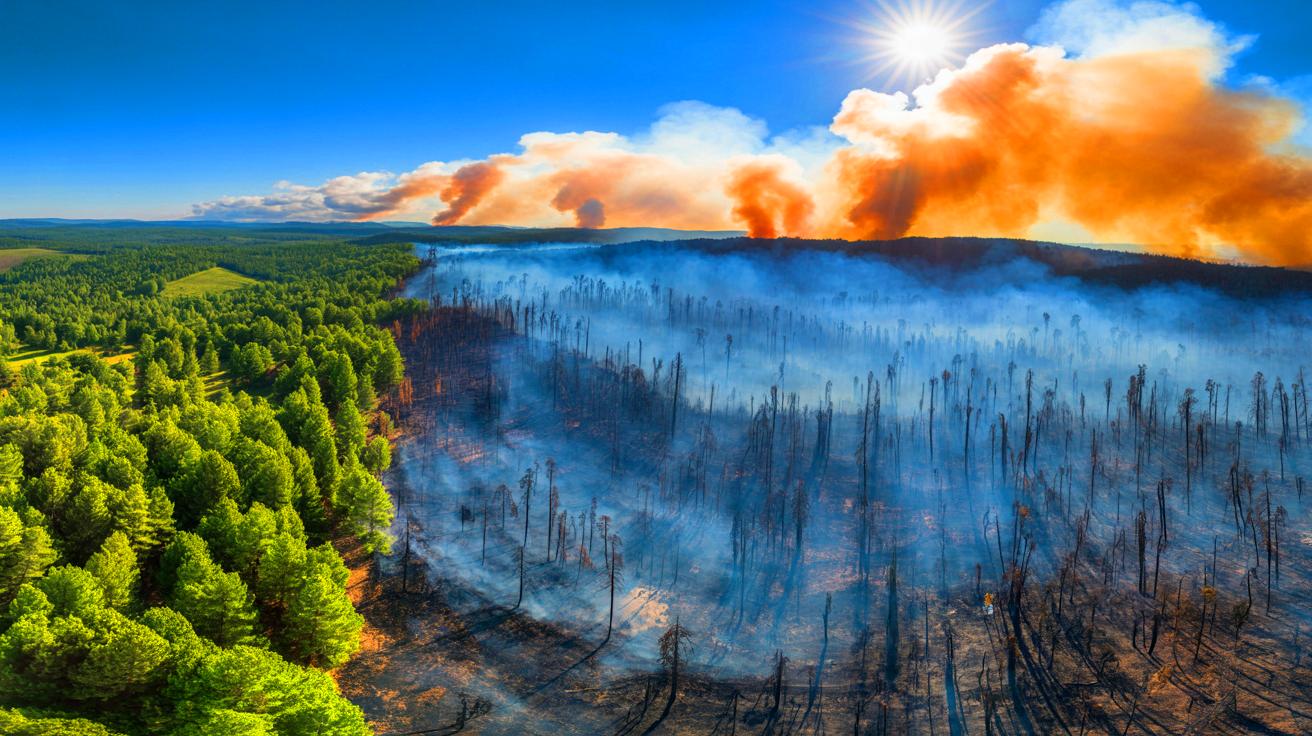
In recent years, the western United States has faced an increasing threat from wildfires, a natural phenomenon that, paradoxically, has been exacerbated by over a century of efforts to suppress it. While the intention was to protect communities and landscapes, these efforts have resulted in an accumulation of dry vegetation, creating potential fuel for even larger fires. New research highlights that nearly 38 million hectares of land in the western U.S. are in a “fire deficit,” meaning they have not experienced the natural fire cycles needed to maintain ecosystem balance. This has left the region more vulnerable to severe wildfires, challenging traditional fire management strategies.
The Legacy of Fire Suppression
For over 100 years, the U.S. has focused heavily on fire suppression to protect lives and property. Billions of dollars have been invested in efforts to extinguish fires quickly. However, this approach has inadvertently led to unintended consequences. By preventing fires, accumulated dead material in forests has increased, providing ample fuel for larger and more destructive blazes.
Winslow Hansen, director of the Western Fire and Forest Resilience Collaborative, explains that the current warm and dry conditions, combined with a century of fire suppression, have created a daunting challenge. Hansen emphasizes the need to address the compounded issues of drying landscapes and dense vegetative growth. The research indicates that to rectify the fire deficit, an estimated 3.8 million hectares of land would need to burn annually for the next decade—a daunting task that requires a reevaluation of fire management strategies.
Mapping Fire Deficit and Surplus
Researchers have embarked on a comprehensive study to identify areas of fire deficit and surplus across the western U.S. Utilizing geospatial data, including pollen records and soil samples, scientists have reconstructed historical fire return intervals through the Landfire program. This data-driven approach has revealed that approximately 74% of the western U.S. is currently experiencing a fire deficit.
These findings suggest that modern burn patterns are significantly different from historical records. The 2020 wildfire season, which set a record for the area burned, still falls short of the necessary annual burn rate needed to address the current fire deficit. This discrepancy underscores the urgency of adapting fire management practices to align more closely with natural fire cycles.
Strategies for Restoring Fire Cycles
Addressing the fire deficit and restoring healthy fire cycles will require a multifaceted approach. Researchers like Hansen advocate for a combination of prescribed burns, mechanical thinning, and managed wildfires. These methods aim to reduce fuel loads and restore ecological balance without the catastrophic outcomes associated with uncontrolled wildfires.
Prescribed burns, conducted under controlled conditions, can mimic natural fire cycles, allowing ecosystems to benefit from the positive effects of fire. Mechanical thinning involves removing excess vegetation to reduce fire risk. Managed wildfires, when monitored carefully, can be allowed to burn naturally in low-risk areas, contributing to ecosystem health by clearing dead material and promoting new growth.
Regions Facing Fire Surplus
While much of the West struggles with a fire deficit, some areas face the opposite issue—a fire surplus. Human activities have led to more frequent fires in certain regions, particularly in the southwest. In Southern California, shrublands and chaparral ecosystems are burning more often than historical norms, which can threaten their resilience.
Climate change is also a significant factor in these regions, driving higher temperatures and prolonged droughts that contribute to more frequent fires. Hansen notes that the signs of climate change-driven fire surplus have appeared sooner than anticipated, highlighting the need for adaptive management strategies that account for these changing conditions.
The challenges of managing wildfires in the western U.S. are complex and multifaceted. As climate change continues to alter environmental conditions, the need for effective fire management becomes increasingly pressing. The dual issues of fire deficit and surplus require innovative strategies that balance ecological health with community safety. How will policymakers and communities adapt to these evolving challenges to protect both people and the environment?

Is fire deficit really the main issue here, or is it more about how we manage these fires? 🤔
Wow, didn’t know fire suppression could backfire like this! 😮 Will prescribed burns really help?
Thanks for the article! It’s a wake-up call for how we handle wildfires in the future.
Thanks for shedding light on this complicated issue. It’s eye-opening to learn about the fire deficit. 🔥
Are there any successful examples of these strategies working elsewhere?
Isn’t mechanical thinning just another way to say “clearcutting”? How is it different?
This is why we need more funding for environmental research. Nature always finds a way to surprise us!
This seems like a classic case of unintended consequences. Why didn’t they see this coming?
Isn’t it ironic that fire suppression is now causing more fires? 🤔
Can prescribed burns actually mimic natural fire cycles accurately?
Kudos to the researchers for mapping out the fire deficit and surplus areas. That data is invaluable!
Wow, 38 million hectares lacking fire! That’s like trying to catch up on a century’s worth of missed gym workouts. 😅
Nice write-up, thanks: