





| IN A NUTSHELL |
|
The recent announcement of China’s successful production of Yttrium-90 in a commercial nuclear reactor marks a pivotal moment in medical technology and nuclear science. This breakthrough was achieved at the Qinshan Nuclear Power Base in Zhejiang province, highlighting China’s growing capabilities in advanced isotope manufacturing. By producing Yttrium-90 domestically, China aims to revolutionize cancer treatment, particularly for liver tumors, by providing a more accessible and potentially more affordable option for patients worldwide.
A Breakthrough in Isotope Production
Yttrium-90 microspheres, often referred to as a precision nuclear weapon in liver cancer treatment, deliver targeted beta radiation to destroy tumor cells effectively. Until recently, all Yttrium-90 used in China had to be imported, posing significant challenges for patients requiring this treatment. The recent announcement by the China National Nuclear Corporation (CNNC) changes this landscape dramatically. The first batch of Yttrium-90 microspheres produced at Qinshan met all quality standards, including specific activity and stability metrics. This achievement underscores the reactor’s capability to support continuous, large-scale production.
Collaborating with research groups from Shanghai Nuclear Engineering, CNNC North China, and China Nuclear Engineering Group, the scientists leveraged the heavy-water reactor’s high neutron flux and stable operation. Li Shisheng, deputy chief engineer at the Qinshan Nuclear Power Base, emphasized the importance of building a stable production capability to ensure domestic supply security and public benefit. This development not only strengthens China’s position in isotope manufacturing but also paves the way for advanced radiopharmaceutical development.
Revolutionizing Cancer Therapy
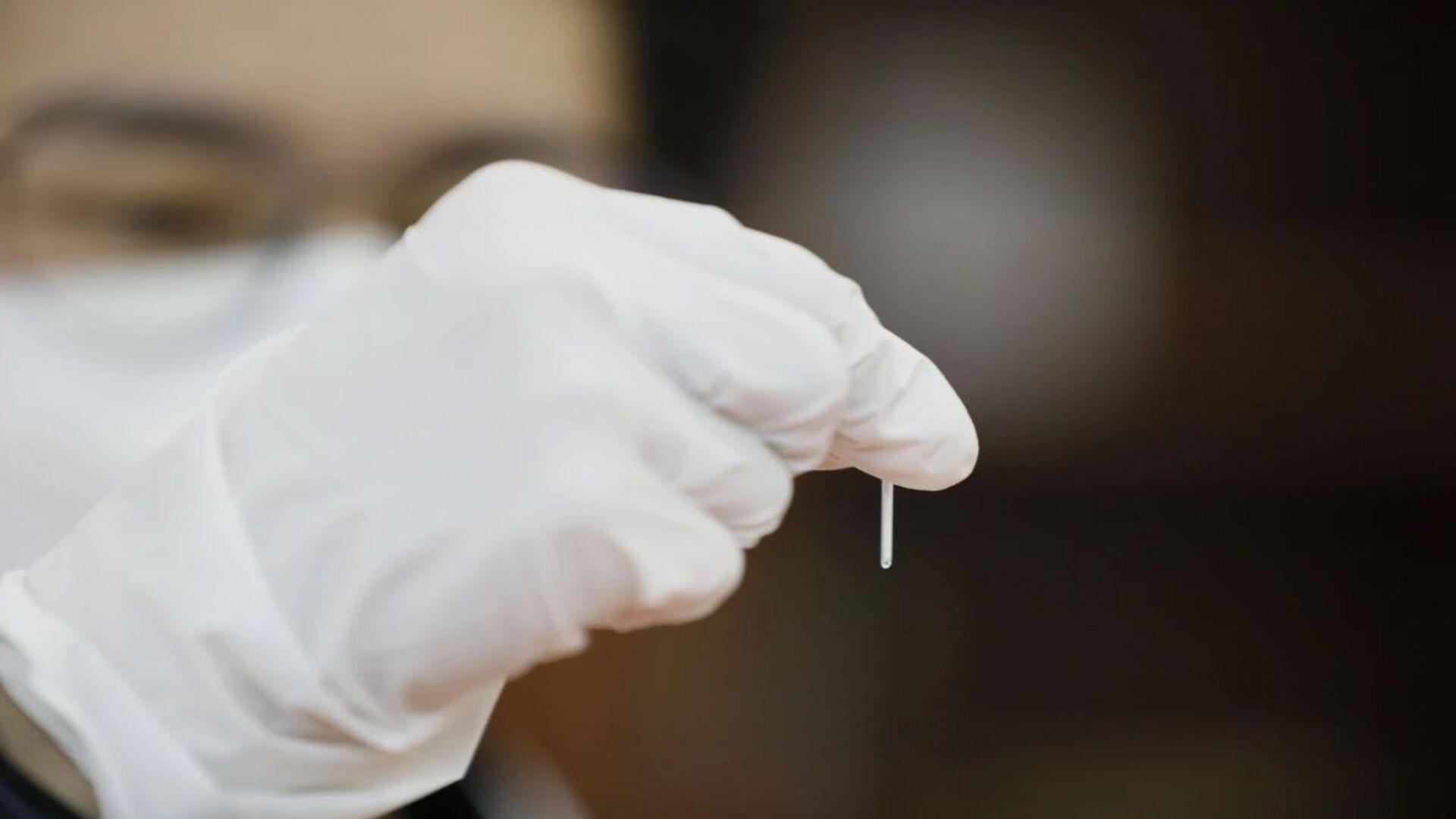
The introduction of domestically produced Yttrium-90 is set to revolutionize cancer therapy, particularly through transarterial radioembolization (TARE). This minimally invasive procedure involves delivering microspheres loaded with Yttrium-90 directly to liver tumors via the hepatic artery. The microspheres emit beta radiation that targets and destroys cancer cells with precision, minimizing damage to the surrounding healthy tissue due to their size and short-range radiation, which penetrates merely 0.1 inches of tissue.
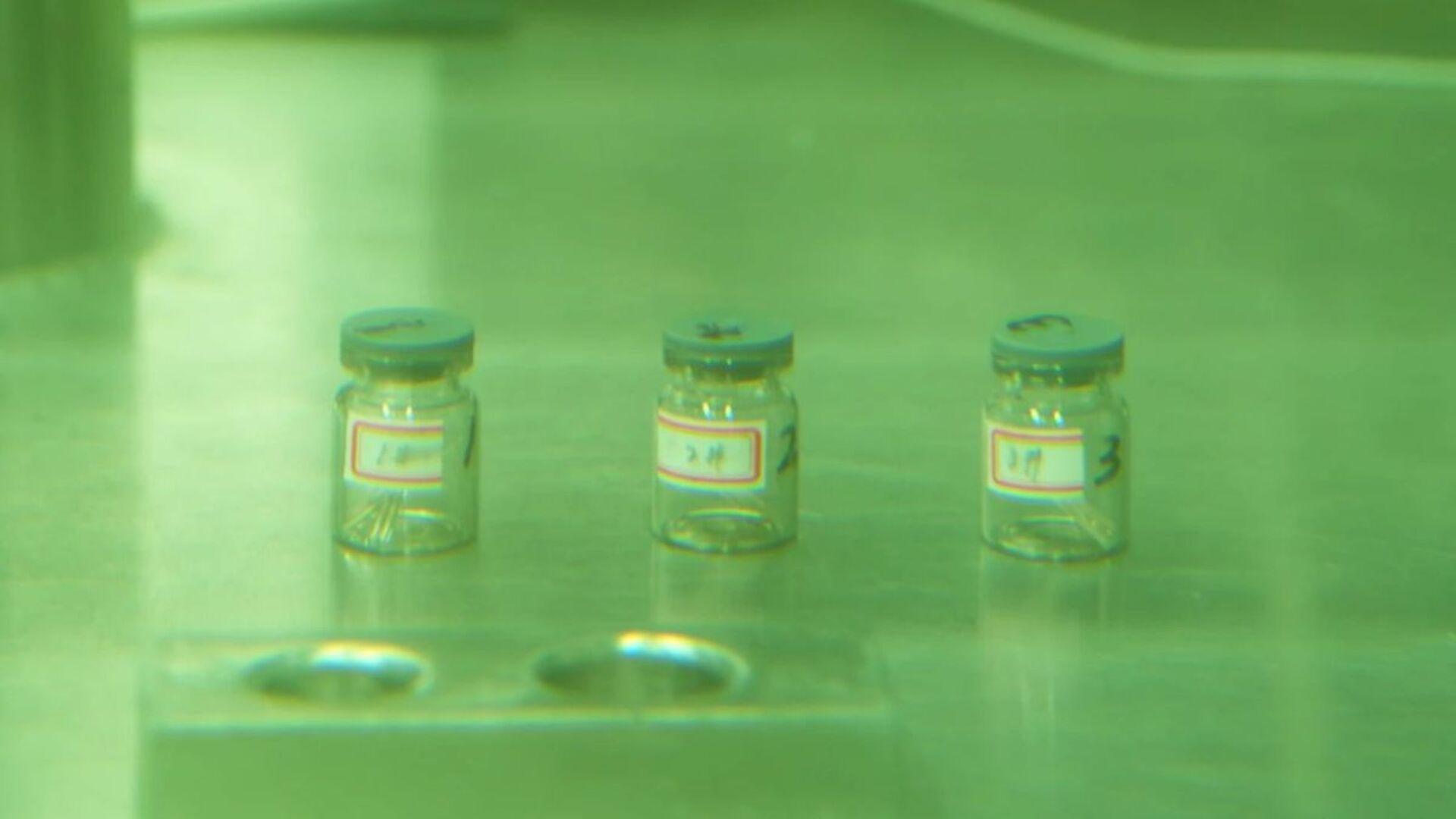
The precision targeting and high radiation doses offered by these microspheres present new hope for patients, potentially extending survival and improving quality of life. CNNC has confirmed that all performance indicators meet design standards, providing a solid foundation for the next phase of research and application. This breakthrough highlights China’s commitment to advancing medical treatment and underscores the potential of nuclear technology in improving health outcomes.
The Role of Qinshan Nuclear Power Base
The Qinshan Nuclear Power Base has been instrumental in this technological achievement. Its heavy-water reactor, known for its stable operation and high neutron flux, provides the ideal conditions for Yttrium-90 production. Over three years, the team at Qinshan collaborated with various research groups to achieve this milestone, demonstrating their dedication to innovation and excellence.
Li Shisheng highlighted the reactor’s suitability for isotope production and its impact on advancing cancer treatment. By ensuring the domestic supply of Yttrium-90, Qinshan Nuclear Power Base not only contributes to national pride but also plays a crucial role in safeguarding lives. The successful production of Yttrium-90 at Qinshan is a testament to the potential of nuclear power in medical advancements, offering a promising future for cancer therapy.
Implications for Global Health
The implications of China’s breakthrough in Yttrium-90 production extend beyond its borders, potentially transforming global health landscapes. With the ability to produce Yttrium-90 domestically, China can offer more affordable and accessible cancer treatment options, benefiting patients worldwide. This development may also inspire other countries to invest in similar technologies, fostering international collaborations in nuclear medicine and cancer therapy.
As global health challenges continue to evolve, innovations like these underscore the importance of leveraging technology to improve patient outcomes. China’s achievement in Yttrium-90 production is a significant step forward, showcasing the transformative potential of nuclear technology in healthcare. How will this breakthrough influence future advancements in cancer treatment and global health strategies?



Wow, this is a game-changer for cancer treatment! 🎉
What are the potential risks involved with this technology?
Finally, some good news in the field of nuclear medicine!
I’m skeptical. How do we know this isn’t just propaganda?
Will this lead to more collaborations between countries in nuclear medicine?
Hats off to the scientists at Qinshan Nuclear Power Base! 👏
Can this technology be used for other types of cancer?
Great article, but I wish it had more technical details.
If China can do it, why can’t we? 🤨
What are the environmental implications of producing Yttrium-90?
This seems like a big step forward for cancer patients worldwide.
How long before this treatment is widely available to patients?
Yttrium-90 sounds like a superhero’s weapon! How does it actually work in treating cancer?
I hope this doesn’t turn into a nuclear arms race… 😟
Are there any side effects to this treatment?
It’s about time we see such innovations in cancer treatment! 💪
How does the production of Yttrium-90 affect the reactor’s normal operations?
Bravo to the Chinese scientists for making this possible! 🇨🇳
How reliable is this technology for long-term use?
Could this lead to cheaper healthcare globally?
Is this technology patented, or can other countries produce Yttrium-90 too?
Are there any international guidelines for producing isotopes like Yttrium-90?
What other innovations can we expect from the Qinshan Nuclear Power Base?
How soon can the rest of the world access this treatment?
Why not use this tech in other medical fields as well?
I wonder what other isotopes could be produced in this manner…
This could really put China on the map for medical advancements. 🗺️
Is it really safe to produce such isotopes in a commercial reactor? 🤔
What does this mean for the future of nuclear power?
Can we trust China with such powerful technology? 😅
More articles like this, please! Very enlightening.
How does this compare to existing liver cancer treatments?
Congrats to China for this breakthrough! Can’t wait to see the global impact. 🌍
Does this mean the cost of treatment will go down for patients?
Why didn’t other countries think of this before? Seems like a no-brainer.
Hope this doesn’t lead to more nuclear waste… 😬
How can we be sure the quality meets international standards?
Thank you for the informative article! This could save many lives. 🙏
Why is Yttrium-90 specifically used for liver tumors?