




| IN A NUTSHELL |
|
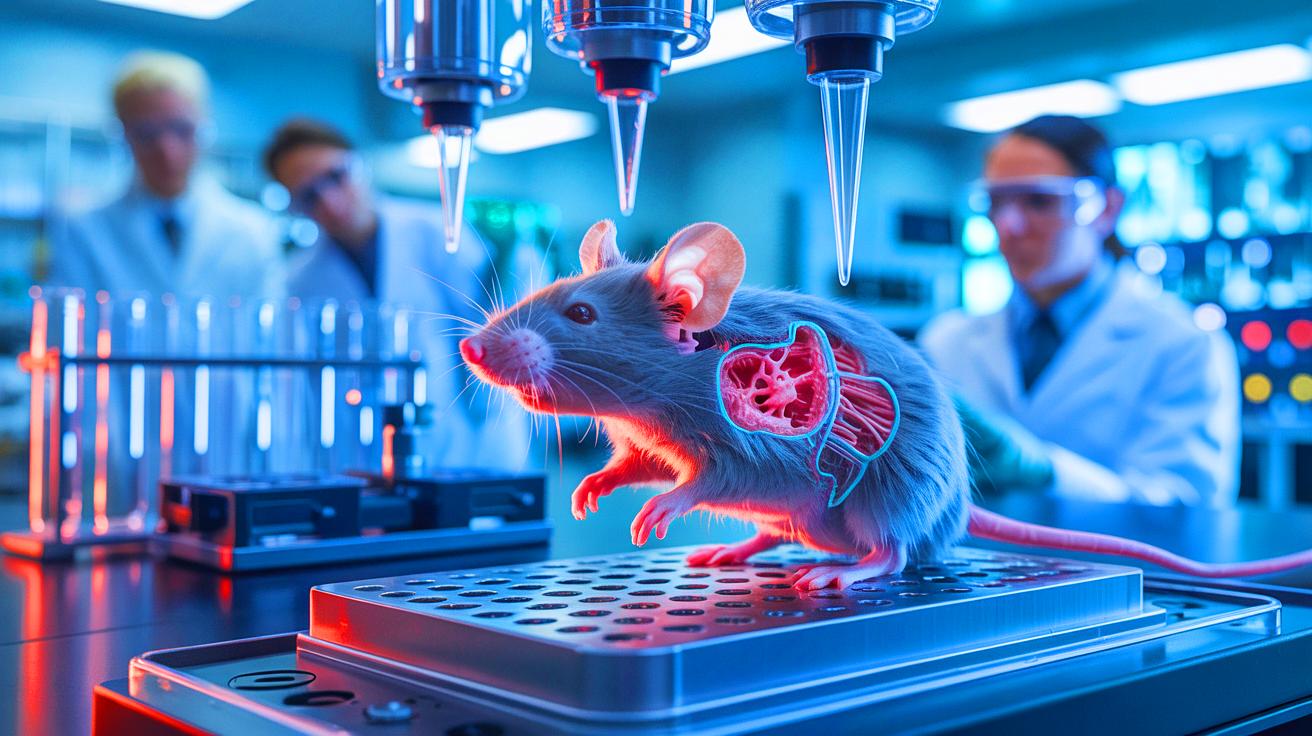
In a groundbreaking study, Chinese scientists have achieved a remarkable feat: restoring damaged ear tissue in mice through the reactivation of a genetic switch believed to be lost in mammals. This discovery is particularly significant because mice, unlike some other animals, do not naturally regrow complex tissues. By exploring the genetic pathways of tissue regeneration, the research offers promising insights that could revolutionize healing therapies for nerves, lungs, and skin. The implications of this study stretch beyond laboratory mice, potentially paving the way for advanced medical treatments in humans.
The Role of Retinoic Acid in Regeneration
The study highlights the crucial role of retinoic acid, a molecule derived from vitamin A, in tissue regeneration. At the heart of this process is the gene ALDH1A2, which plays a pivotal role in producing retinoic acid. This compound is key to regulating cell specialization, essential for healing. In rabbits, which naturally activate ALDH1A2 after injury, tissue regeneration proceeds robustly. Mice, however, demonstrate almost no activity in this gene, resulting in stalled healing.
The researchers tested the impact of retinoic acid by injecting it directly into injured mouse ears. While previous attempts in 2022 failed, this study succeeded by using the appropriate concentration and duration of retinoic acid. The breakthrough came when scientists transplanted a rabbit DNA enhancer near the ALDH1A2 gene in mice, reactivating it and enabling mice to produce retinoic acid themselves. This genetic modification allowed mice to fully regenerate ear tissue, illustrating the potential of genetic manipulation in healing therapies.
Rediscovering a Lost Genetic Switch
“This performance suggests a genetic switch involved in the evolution of regeneration,” the researchers noted. By reactivating this switch, the study opens up vast possibilities for medical advancements. Retinoic acid is already approved by the FDA for certain cancers and skin conditions, but its potential goes far beyond these applications. According to BGI-Research, the therapeutic implications could revolutionize treatments for a variety of injuries and conditions, from battlefield trauma to heart attacks.
The prospect of flipping a single molecular switch to restore rather than merely repair represents a paradigm shift in medicine. However, challenges remain. As Wei Wang of the National Institute of Biological Sciences in Beijing pointed out, adding retinoic acid can activate ear regeneration but might not suffice for other organs. Different organs may have lost their regenerative abilities for various evolutionary reasons, posing a complex puzzle that researchers are eager to solve.
Potential Applications in Human Medicine
This research could have profound implications for human medicine. The ability to regenerate complex tissues and organs through genetic reactivation could transform the way we approach healing. For trauma surgeons, plastic surgeons, and cardiologists, the idea of restoring damaged tissues entirely is a game-changer. The study’s findings suggest that genetic pathways similar to those in mice and rabbits could be harnessed in humans, opening new avenues for regenerative therapies.
Currently, treatments focus on repairing damage, but the potential to regenerate tissues presents a new frontier. The study indicates that retinoic acid, combined with genetic enhancements, could lead to breakthroughs in healing technologies. As researchers delve deeper into understanding the genetic underpinnings of regeneration, the possibilities for medical innovation appear limitless.
Challenges and Future Directions
Despite the promising results, challenges remain in translating these findings to human therapies. Each organ’s unique evolutionary path means that a one-size-fits-all approach may not be feasible. Researchers must consider these differences to develop effective treatments. Furthermore, the long-term effects of genetic modifications need thorough evaluation to ensure safety and efficacy.
Looking ahead, scientists are exploring how to apply these findings to organs and tissues beyond the ear. As research progresses, the hope is to develop therapies that address a wide range of regenerative needs. The study’s success in reactivating a genetic switch in mice offers a glimpse into a future where the boundaries of healing are redefined. What other secrets does our genetic code hold, and how might they reshape the future of medicine?



Wow, this is like sci-fi coming to life! 🛸
I’m skeptical. How can they ensure there are no long-term consequences? 🤔
They dnt until smthing ugly comes to light thn they deny boyt researching into it
Thank you for the article! It’s amazing to see how far science has come. 😊
Are there any ethical concerns surrounding this research?
Mm wonder if they admit fault if smthing goes wrong
Is the regeneration complete and functional, or just cosmetic?
Could this lead to cures for diseases that cause tissue degeneration?
How did they ensure the retinoic acid levels were safe for the mice?
What other animals are they planning to test this on?
This is incredible news but sounds too good to be true. 🤷♂️
How long did it take for the mice to regrow their limbs?
Are there any human trials planned in the near future?
What happens if something goes wrong with the genetic switch?
So, could this help people with burn injuries regenerate their skin?
Science fiction becoming science reality… mind blown! 💥
Would this tech be expensive to use in medical treatments?
Was this study peer-reviewed and published in a reputable journal?
Is this the start of a real-life Wolverine? 😂
How do we control what tissues get regenerated?
Wudn’t this make diseases like cancer more probable?
This is a game-changer for medicine! Can’t wait to see where it leads.
Could this research impact organ transplantation in the future?
Are there any known risks of using retinoic acid in this way?
Why is the focus on ears specifically? 🤔
Can this technology be reversed if needed?
Sounds like we’re one step closer to immortality! 😄
Does this mean we could eventually regrow entire organs?
This is fascinating! How long before this technology can be applied to humans?
What are the potential side effects of manipulating these genes in humans?
Mm wonder if they admit fault if smthing goes wrong ,
Can this technique be used to regenerate limbs for amputees?
Why mice though? Why not start with something simpler, like a fish?