



For decades, the global economy has depended heavily on coal, oil and natural gas. These resources helped build modern industries and transport systems, but they also created significant environmental consequences and made many countries dependent on imported energy.
The rapid development of renewable energy is beginning to change this model.
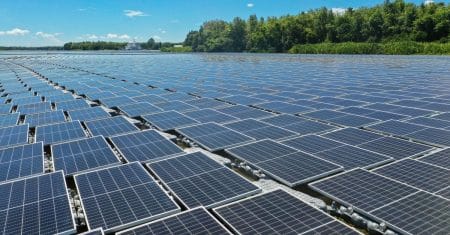
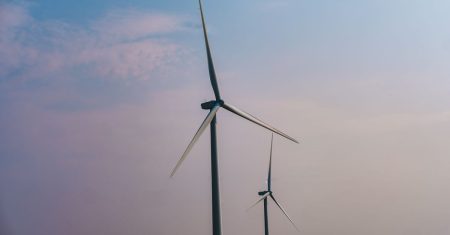
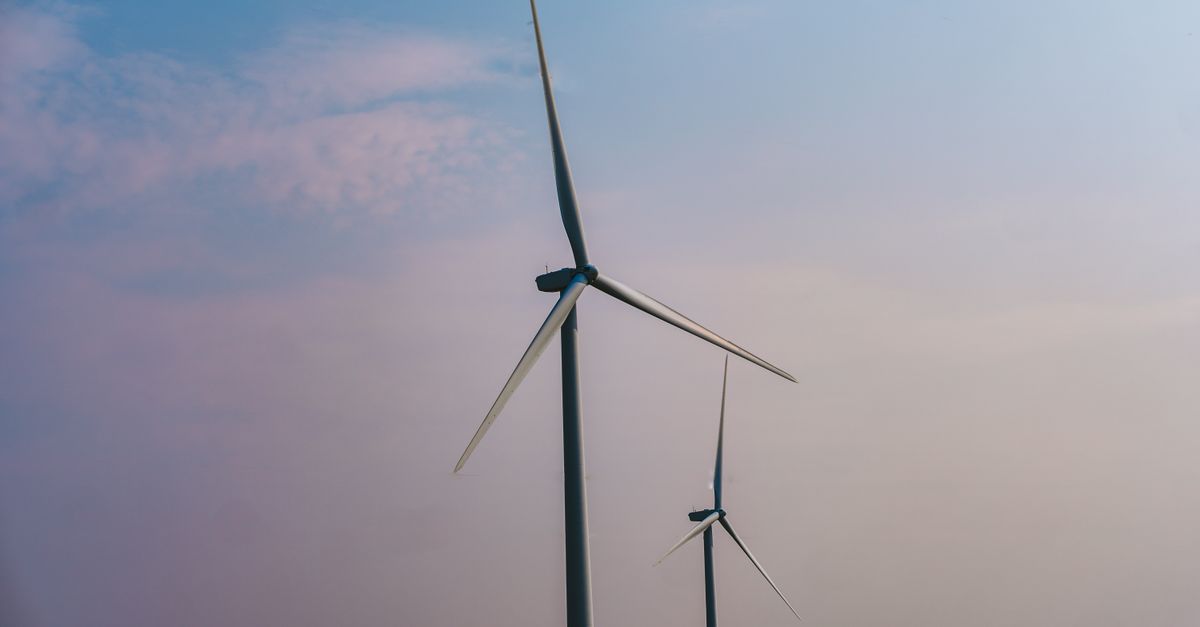
Solar panels and wind turbines are now being installed on an unprecedented scale, while established technologies such as hydropower continue to provide substantial amounts of electricity in many countries. At the same time, advances in battery storage, electricity networks and digital technologies are making it easier to integrate variable sources of power.
The energy transition is therefore becoming as much an economic and geopolitical transformation as an environmental one.
Reducing greenhouse gas emissions
The most obvious advantage of renewable energy is its role in reducing emissions from electricity production.
Unlike fossil-fuel power plants, solar panels and wind turbines do not burn fuel to generate electricity. Their operation therefore produces very low direct greenhouse gas emissions.
Their manufacture and installation still have an environmental footprint. Producing solar modules, wind turbines, batteries and electricity infrastructure requires energy and raw materials. However, these technologies can generate electricity for many years after installation without continuously consuming fossil fuels.
Expanding low-carbon electricity is particularly important as other parts of the economy become increasingly electrified.
Electric vehicles, heat pumps and some industrial processes can reduce fossil-fuel consumption, but this transition creates additional demand for electricity. Developing new generation capacity is therefore essential if electrification is to contribute effectively to reducing overall emissions.
Energy security becomes a major argument
Recent geopolitical and energy crises have highlighted another advantage of renewable energy: domestic production.
Countries dependent on imported oil and natural gas can be exposed to international price fluctuations, supply disruptions and political tensions. Renewable resources provide an opportunity to produce a greater share of energy locally.
A country cannot control the international price of natural gas, but it can invest in solar farms, wind turbines, hydroelectric facilities and electricity networks within its own territory.
This does not create complete energy independence. Renewable technologies depend on international supply chains for components and critical minerals, while electricity systems still require significant infrastructure.
Nevertheless, reducing the amount of fuel that must be continuously imported can improve the resilience of an energy system.
Solar and wind have become major industries
The expansion of renewable energy has also created enormous industrial markets.
Producing solar modules, wind turbines, inverters, cables and batteries requires factories, engineering expertise and extensive supply chains. Installing and maintaining these systems creates additional economic activity.
As a result, governments increasingly view renewable energy technologies as strategic industries.
Competition is particularly intense in solar manufacturing and batteries. Countries are introducing incentives to attract factories and attempting to secure supplies of lithium, copper and other materials needed for the energy transition.
The challenge is no longer simply to install renewable capacity. Governments increasingly want to capture a greater share of the economic activity associated with producing the equipment.
The cost of energy matters
Environmental objectives alone cannot determine the future of the energy system. Electricity must also remain affordable for households and competitive for businesses.
This is one reason why the declining cost of renewable technologies has been so important to their development.
Solar and wind projects can now provide competitive electricity in many markets, although the economics vary significantly depending on location, financing costs, infrastructure and local regulations.
The calculation must also take account of the wider electricity system.
A solar farm produces electricity only when sufficient sunlight is available, while wind generation depends on weather conditions. As their share of electricity production increases, grids need additional flexibility to balance supply and demand.
The cost of renewable energy therefore cannot be considered solely through the price of an individual solar panel or wind turbine.
Storage and grids become essential
Managing variable production represents one of the central challenges of the energy transition.
Electricity networks must constantly balance generation and consumption. Large quantities of solar power produced during the middle of the day are of limited value if demand occurs several hours later and the electricity cannot be stored or transported elsewhere.
Battery storage is one possible solution. Electricity generated during periods of abundant production can be stored and released when demand increases.
Other technologies can also provide flexibility, including pumped-storage hydropower, demand management and stronger interconnections between regions.
Electricity grids themselves will require substantial investment. New renewable projects are often built far from major consumption centres, requiring additional transmission capacity.
In some countries, obtaining a grid connection has already become a major obstacle for new energy projects.
Renewables are part of a broader energy mix
The growth of renewable energy does not mean that every country will adopt the same electricity system.
Geography, existing infrastructure and natural resources vary considerably. Some countries have abundant hydropower, others exceptional solar conditions or significant offshore wind resources.
Nuclear power also remains an important source of low-carbon electricity in several countries, while natural gas and other technologies continue to play different roles depending on national energy strategies.
The central challenge is therefore to create an electricity system capable of combining affordability, reliability and lower emissions.
Renewable energy is increasingly important within that equation, but its development must be accompanied by investment in networks, storage and other sources of flexibility.
A long-term transformation of the global economy
The transition will require enormous investment and will inevitably create new challenges. Mining for critical minerals must expand, electricity infrastructure needs to be modernised and renewable equipment will eventually need to be recycled on a much larger scale.
But the direction of travel is becoming increasingly clear.
Electricity is expected to play a greater role in transportation, heating and industry, while demand from data centres and digital infrastructure is adding further pressure on power systems.
Meeting that demand while reducing emissions will require substantial amounts of new generation capacity.
Renewable energy has therefore moved far beyond its original image as an alternative source of electricity. It is becoming a central component of industrial policy, energy security and economic strategy.
For governments and businesses, the question is increasingly not whether renewable energy will be part of the future energy system, but how quickly infrastructure can be developed to integrate it efficiently and reliably.