


Close Menu
  • Last News
    • Cities
    • Climate
    • Energy
    • Impact
    • Markets
    • Opinions
    • Policy
    • Reports
    • Research
  • About Us
  • Advertise
  • Contact Us

Subscribe to Our Newsletter

News, investigations, and analysis — our top stories every morning to start your day right.

Trending
discover how plant-based diets promote sustainability by reducing environmental impact, conserving resources, and supporting eco-friendly food choices.
How plant-based diets contribute to sustainability
Viktor Genkulov on the cost of digitalizing the maritime industry and when it will start to pay off
Luanda Declaration charts inclusive African blue economy rooted in conservation and prosperity
Facebook X (Twitter) LinkedIn YouTube TikTok
Sustainability Times
Facebook X (Twitter) LinkedIn YouTube TikTok
Subscribe
  • Featured
  • Cities

    The Hidden Carbon Cost of Construction Projects (And Why Better Planning Matters More Than You Think)

    05/13/2026
    explore the future of sustainability in urban development, focusing on innovative strategies and technologies shaping eco-friendly and resilient cities.

    The future of sustainability in urban development

    02/24/2026
    Illustration of a vertical farm in Beijing showcasing sustainable urban agriculture practices.

    “China Just Built Farm Skyscraper”: Beijing Greenhouse Grows Food In 37,673 Square Feet While Solar Panels Power Vertical Agriculture Revolution

    09/30/2025
    Illustration of Trojena Ski Resort's futuristic design in the Saudi Arabian desert.

    “We’re Building Winter Olympics in Pure Desert”: Saudi Arabia’s Trojena Ski Resort Hosts 2029 Asian Games Without Natural Snow

    09/09/2025
    Illustration of the historic Kiruna Church being relocated on self-propelled transporters to its new site in Sweden.

    “Sweden Moved a 700-Ton Church”: Historic Kiruna Building Traveled 3.1 Miles on Robot Transporters While King Watched the Journey

    09/03/2025
  • Climate

    Luanda Declaration charts inclusive African blue economy rooted in conservation and prosperity

    08/04/2026

    The Hidden Carbon Cost of Construction Projects (And Why Better Planning Matters More Than You Think)

    05/13/2026
    explore the vital link between sustainability and climate change, understanding how sustainable practices can help mitigate environmental impact and promote a healthier planet.

    The connection between sustainability and climate change

    04/07/2026

    How to Turn ESG Commitments into Real Results in Oil & Gas: Mikhail Zubkov on Implementing Practical Solutions

    02/24/2026

    Sustainability in Action—How Straight Six Auto Parts Is Revolutionising Automotive Recycling

    01/05/2026
  • Energy

    How bio-LNG is transforming the maritime sector

    06/29/2026
    explore how technology is accelerating sustainability innovations, driving eco-friendly solutions and creating a greener future for our planet.

    How technology is driving sustainability innovations

    03/24/2026

    How to Turn ESG Commitments into Real Results in Oil & Gas: Mikhail Zubkov on Implementing Practical Solutions

    02/24/2026
    explore the vital role of renewable energy in promoting sustainability and reducing environmental impact for a greener future.

    The role of renewable energy in achieving sustainability

    01/27/2026

    How Ilnar Iakhin’s Practical Field Innovations Are Reducing the Environmental Footprint of Gas Production

    12/19/2025
  • Impact
    discover how plant-based diets promote sustainability by reducing environmental impact, conserving resources, and supporting eco-friendly food choices.

    How plant-based diets contribute to sustainability

    08/11/2026

    Viktor Genkulov on the cost of digitalizing the maritime industry and when it will start to pay off

    08/05/2026

    Luanda Declaration charts inclusive African blue economy rooted in conservation and prosperity

    08/04/2026
    explore how sustainable forestry practices positively affect ecosystems by promoting biodiversity, improving soil health, and supporting long-term environmental balance.

    The impact of sustainable forestry on ecosystems

    08/04/2026
    learn practical tips and strategies to create a sustainable lifestyle without spending extra money, focusing on eco-friendly habits that save both the environment and your budget.

    How to create a sustainable lifestyle without extra cost

    07/28/2026
  • Markets
    explore how sustainability practices are transforming global supply chains, driving efficiency, reducing environmental impact, and promoting ethical sourcing worldwide.

    Sustainability and its influence on global supply chains

    07/21/2026
    explore the growth of sustainable investments and green finance, highlighting their impact on the global economy and the shift towards environmentally responsible financial practices.

    The rise of sustainable investments and green finance

    07/07/2026
    Switzerland’s regulated online gambling ecosystem is built on strict licensing rules, ensuring that only ESBK-approved casinos tied to land-based establishments can legally operate.

    Are Online Casinos Legal in Switzerland? Understanding the Current Regulatory Framework

    11/21/2025
    Illustration of the abrupt halt of a major lithium mine in China impacting global markets.

    “One Mine Shut Down and Prices Exploded”: CATL Halts Major Chinese Lithium Operation Sending Global Markets Into Chaos

    09/11/2025
    Illustration of the massive iron ore deposit discovered in the Pilbara region of Western Australia.

    Geologists Iron Find Worth $6 Trillion Sparks Geopolitical Firestorm As US-China Trade Rivalry Reaches Unprecedented Flashpoint

    08/24/2025
  • Opinions

    Viktor Genkulov on the cost of digitalizing the maritime industry and when it will start to pay off

    08/05/2026
    discover the essentials of sustainability and corporate social responsibility, exploring their impact on businesses and society for a better future.

    Sustainability and corporate social responsibility explained

    04/21/2026

    The Hidden Risks of Nepotism and Conflicts of Interest in Corporate Governance

    03/19/2026

    Sustainability, Family Offices, and Private Equity: A Powerful Alignment for Long-Term Impact

    08/05/2025

    Preserving Heritage While Innovating: How AI is Reshaping Design for a Sustainable Future

    07/23/2025
  • Policy

    Luanda Declaration charts inclusive African blue economy rooted in conservation and prosperity

    08/04/2026
    explore the crucial role of governments in advancing sustainability policies to protect the environment, promote social equity, and ensure economic growth for future generations.

    Role of governments in promoting sustainability policies

    06/16/2026
    explore effective strategies to promote sustainability through education, empowering communities to adopt eco-friendly practices and foster environmental awareness.

    Ways to promote sustainability through education

    03/10/2026
    Illustration of the NUMO Ground Robot Deployed by Ukraine for Military Operations.

    “It’s Doing the Dangerous Work for Us”: This Ukrainian Combat Robot Redefines the Battlefield (and It’s Already Saving Soldiers’ Lives)

    10/15/2025
    Illustration of NATO aircraft participating in the Steadfast Noon nuclear deterrence exercise.

    “You Can Feel the Tension in the Air”: This NATO Nuclear Exercise Sparks Unease Across Europe (and Leaders Call It ‘Routine’)

    10/15/2025
  • Reports
    explore the latest trends and innovative solutions driving sustainability in the food industry, from eco-friendly practices to cutting-edge technologies reshaping the future of food production.

    Sustainability in the food industry: trends and solutions

    06/02/2026

    New Study Finds Drip Irrigation Can Cut Coffee’s Carbon Footprint by Nearly 60%

    05/13/2026
    explore the top sustainable development goals to prioritize in 2026 and learn how to make a meaningful impact towards a greener, more equitable future.

    Top sustainable development goals to focus on in 2026

    04/28/2026

    MFC Asset Management Steps Up Its ESG Agenda

    09/24/2025
    Illustration of naval aviators in training during the Top Gun program.

    “We Push Them Until They Break”: Top Gun Training Forces Pilots Through 7.5 Gs While National Geographic Films

    09/21/2025
  • Research
    Illustration of ancient marine super predators dominating the complex food chains of the Cretaceous period.

    Ancient Super Predators Ruled Oceans: New Discoveries Challenge Our Understanding of Marine Life’s Evolutionary Past

    12/20/2025

    How Ilnar Iakhin’s Practical Field Innovations Are Reducing the Environmental Footprint of Gas Production

    12/19/2025
    Illustration of the body's distinct molecular systems for detecting cold on the skin and internally.

    Your Body’s Cold Sensations: Revealing the Dual Ways Temperature Affects Us and What It Means for Comfort

    12/19/2025
    Illustration of the digital reconstruction of a 1.5-million-year-old Homo erectus face from the DAN5 fossil.

    Scientists Reveal 1.5-Million-Year-Old Human Face, Unveiling New Clues to Our Ancient Ancestry

    12/18/2025
    Illustration of ancient pottery featuring plant motifs reflecting early mathematical thinking.

    Ancient Art Reveals How Early Humans Used Math Concepts 8,000 Years Ago Without Numbers

    12/18/2025
Sustainability Times
Home - Energy - A bright energy future beckons many developing nations

A bright energy future beckons many developing nations

Hina DinooHina Dinoo07/13/20200
Share Twitter Facebook LinkedIn Telegram WhatsApp Email Copy Link
Follow Us
Google News
nuclear power plant
Share
Twitter Facebook LinkedIn WhatsApp Email Copy Link

Africa is a vast and diverse continent with great untapped economic potential, yet extreme poverty continues to blight the lives of hundreds of millions of people. As many as 600 million Africans still lack access to electricity, according to the World Bank. That is more than the entire population of Europe.

Nor is Africa alone in this. Worldwide, some 840 million people still have to do without electricity. In recent years, however, great strides have been made in linking millions of people in rural areas up to steady supplies of power, not least in several African nations. In Kenya, people’s access to electricity has increased from a mere 8% in 2000 to around 73% today with plans in the works for universal access by 2022. In Ethiopia, meanwhile, an estimated 45% of the population can now enjoy the benefits of electricity, a marked increase from a rate of 5% just two decades ago.

Much of the progress has been thanks to a large-scale adoption of renewables, especially solar and wind, which is just as well since experts emphasize a need for low-carbon solutions in bringing power to the people, both literally and figuratively speaking. “A stable power supply is a prerequisite of economic development and industrialization. Developing nations in Asia, Africa and South America are all heavily investing in power generation with an especial emphasis on less pollution,” explains Prof. Firoz Alam, an expert at the School of Engineering of RMIT University in Melbourne, Australia.

Prof. Firoz Alam of RMIT University in Melbourne.

And the energy demands of many nations are set to balloon in coming decades. Africa’s population is growing fast and within just two decades there will be half a billion more Africans. Most of them will be young and living in urban areas. “Growing urban populations mean rapid growth in energy demand for industrial production, cooling and mobility,” the International Energy Agency notes in a recent report on Africa.

Africa’s current electricity demand stands at 700 terawatt-hours (TWh), with South Africa and North African countries accounting for more than 70% of it. Yet by 2040 sub-Saharan Africa countries are expected to see a dramatic increase in energy needs with the result that the continent’s overall demand will more than double or even triple by the middle of the century.

Alam believes that many of these African nations would be well placed to tap the potentials of nuclear energy, in addition to boosting their share of renewables. Nuclear power’s unit capacity allows for fairly rapid capacity expansion without relying on fossil fuels. “Nuclear power generation offers several secure and competitive advantages in the long run compared to fossil fuels and renewables,” the expert tells Sustainability Times. What’s more, nuclear power may be more suited to industrial use than intermittent renewable projects.

“Although developing a nuclear power plant is highly capital intensive, the cost of energy per kWh is the lowest and offers competitive benefits,” Prof. Alam elucidates. “Furthermore, developing nations need to diversify their energy basket for power generation. Many nuclear-aspirant nations do not have sufficient indigenous fossil fuel energy or viable renewable energy potentials to meet their ever-growing power demands. This is forcing some developing nations to look to nuclear energy as a solution.”

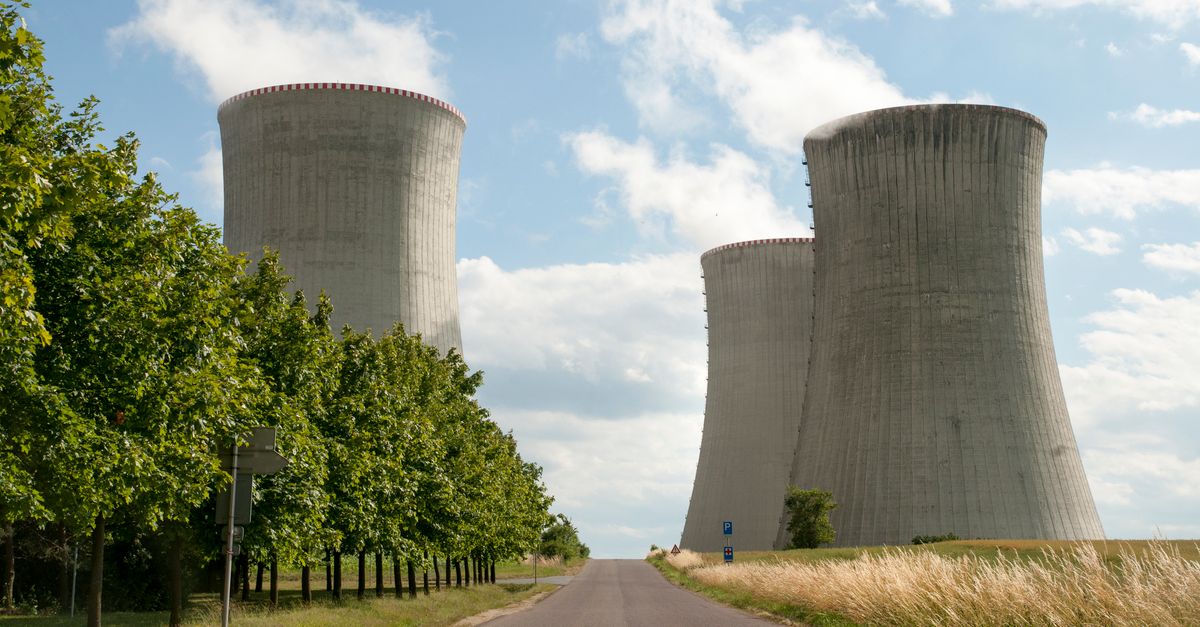
A low-carbon and reliable source of abundant power, nuclear has several advantages that can make it appealing to developing nations keen on extending their industrial capacities and lifting millions of people out of poverty. For one thing, by adding nuclear power to their energy portfolio, they can diversify their means of power generation so as to reduce their dependence on inherently intermittent renewables such as solar. In addition, nuclear is an energy source with a low carbon intensity, emitting as it does a very low rate of greenhouse gases per kWh.

That is why Prof. Alam sees the adoption of nuclear as a win-win both for people and their environment in developing nations. Nuclear technology is highly complex and remains beyond the reach of many developing nations with limited industrial and educational means. Yet international collaboration can come to their aid.

“Privately offered programs in combination with the IAEA’s nuclear development program can provide robust and transparent ways to transfer knowledge and expand the nuclear capabilities of developing countries,” he observes. “Experience suggests that no knowledge transfer or effective capability development will occur until and unless a nation develops its own comprehensive and sustainable nuclear human resources development program and the vendor/supplier nuclear power country is wholeheartedly willing to participate in the human resources development program of the recipient nation.”

Even as nuclear is being phased out in developed nations such as Germany, it is on a roll elsewhere. Currently, 54 reactors are under construction in 18 countries, of which at least 14 are emerging and middle-income nations. In addition, a wide range of countries from Asia (18), Africa (16), Europe (12) and South America (6) have signalled their intent or their interest to have nuclear power plants up and running soon. In order for that to happen, however, these countries need to have skilled and competent professional personnel to ensure high levels of safety at all times.

Hundreds of millions of people continue to languish without electricity across Africa (photo: Piqsels)

“Some nuclear technology suppliers and vendors have developed good models for knowledge transfer and for building nuclear capabilities encompassing IAEA models,” said Professor Alam. “These [vendors and suppliers] are comprehensive and transparent. Rosatom, a Russian state-owned nuclear company, offers one such model.” Indeed, Rosatom has put forth a number of models for overseas clients, including Centres for Nuclear Science and Technology (CNST), which combine research reactors with lab complexes and other facilities such as nuclear medicine centres.

“However,” Prof. Alam continued, “there can be some risks involved if a nuclear vendor or supplier country does not have a well-established track record in transferring nuclear knowledge and building nuclear capabilities in developing nations. Yet even this type of risk can be minimized if the IAEA is appropriately involved and consulted.”

When it comes to nuclear technologies, small modular reactors (SMRs), which have a capacity of 300 MW or less, are being widely touted as the most suitable means for low-income nations to develop their nuclear know-how and reap the benefits of peaceful nuclear technology. SMRs are far more versatile than traditional large-scale reactors, they cost a lot less, and they can be prefabricated in batches and then deployed to specific locations with relative ease.

The benefits can be considerable to developing nations with limited means: SMRs can be quicker to assemble and disassemble, require lower capital costs, and have fewer re-fueling needs as some models, currently in development, can operate for up to 30 years without its uranium being replaced. In addition, thanks to their lower cooling requirements and smaller sizes SMRs have fewer space constraints, which means they can be deployed to densely populated areas and remote locations alike.

In addition, in developing nations with the benefit of efficient grids that support large amounts of power small- and medium-sized SMRs could be brought online far more easily than conventional plants. “These reactor designs could be quickly deployed, require less human capital to build and operate (and some of which could be provided by the supplier), and could be sized to match local grid constraints,” two experts note in a recent article.

“Many SMRs are designed to operate for many years between refueling, be walkaway safe, and are highly proliferation resistant, factors which could help overcome public perception and opposition to nuclear power,” they add. “Further, SMRs could be used in conjunction with other systems to address non-energy needs, such as providing thermal energy for desalination plants, industrial process heat, or for district heating systems.”

Alam shares that assessment. “For a country with lower power needs, SMRs can be a good alternative compared to a large nuclear power plant (NPP),” he tells Sustainability Times. “However, large NPPs offer more economic and environmental benefits in the long run because they are easier to manage in terms of logistics, administration, safety, and public perception. If SMRs come with ‘fail-safe’ safety features that allow the reactors to turn themselves off in case of trouble with no possibility of releasing radioactive substances to their surroundings, they will be more appealing.”

Strident regulations, appropriate consultation and transparency by policymakers can all help ensure increased public trust in nuclear energy projects in developing nations. “Stakeholder engagement can ensure the safe and sustainable development, operation, maintenance and repair of nuclear facilities and demonstrate stringent compliance regimes needed for various requirements and regulations,” Prof. Alam says. “Stakeholder engagement builds confidence, trust, and transparency in the development of nuclear projects. This will mitigate unnecessary and misinformed fears and concerns about the safety of nuclear power.”

Subscribe to Our Newsletter

News, investigations, and analysis — our top stories every morning to start your day right.

Nuclear Energy Power Use
Follow on Google News Follow on X (Twitter)
Share. Facebook Twitter LinkedIn Telegram WhatsApp Email Copy Link
Previous ArticleRock dust applied to soils may help capture 2B tons of CO2
Next Article Plastic waste kills a Thai elephant in another wake-up call
Hina Dinoo
  • X (Twitter)

Hina Dinoo is a Toronto-based journalist at Sustainability Times, covering the intersection of science, economics, and environmental change. With a background in journalism acquired in Toronto, she translates complexity into clarity. Her work focuses on how systems — ecological, financial, and social — shape our sustainable future. Contact: hina.dinoo@sustainability-times.com

Keep Reading
discover how plant-based diets promote sustainability by reducing environmental impact, conserving resources, and supporting eco-friendly food choices.

How plant-based diets contribute to sustainability

Viktor Genkulov on the cost of digitalizing the maritime industry and when it will start to pay off

Luanda Declaration charts inclusive African blue economy rooted in conservation and prosperity

Add A Comment

Comments are closed.

Subscribe to Our Newsletter

News, investigations, and analysis — our top stories every morning to start your day right.

Trending
discover how plant-based diets promote sustainability by reducing environmental impact, conserving resources, and supporting eco-friendly food choices.
How plant-based diets contribute to sustainability
Viktor Genkulov on the cost of digitalizing the maritime industry and when it will start to pay off
Luanda Declaration charts inclusive African blue economy rooted in conservation and prosperity
News by category
  • Featured
  • Cities
  • Climate
  • Energy
  • Impact
  • Markets
  • Opinions
  • Policy
  • Reports
  • Research
Information
  • About Us
  • Meet the Team
  • Advertise
  • Contact Us
  • Legal Mentions
  • Privacy Policy

Subscribe to Our Newsletter

News, investigations, and analysis — our top stories every morning to start your day right.

Facebook X (Twitter) LinkedIn YouTube TikTok
© Sustainability-Times.com. All rights reserved.

Type above and press Enter to search. Press Esc to cancel.